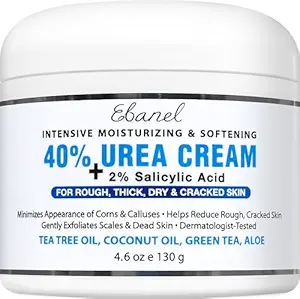
Urea Cream 40 Percent with 2 Percent Salicylic Acid, Foot & Hand Cream for Dry Cracked Heels, Callus Softener for Feet, Exfoliating Foot Cream for Rough Thick Skin, 5.29 oz

Urea Cream 40 Percent with 2 Percent Salicylic Acid, Foot & Hand Cream for Dry Cracked Heels, Callus Softener for Feet, Exfoliating Foot Cream for Rough Thick Skin, 5.29 oz

ASIN: B0DNTMLMT8
Analysis Date: Sep 1, 2026

As an Amazon Associate I earn from qualifying purchases.

Review Analysis Results

B
Authenticity Grade
10.00%
Fake Reviews
4.89
Original Rating
4.60
Adjusted Rating

Analysis Summary

The vast majority of these reviews appear genuine, with strong indicators of authenticity such as personal context, specific product comparisons, and detailed user experiences. Nearly all reviews are from verified purchases, which significantly increases their credibility. The reviews describe real-world use cases—from treating chemo-induced foot blisters to managing calluses from years of wearing combat boots—and provide specific details about the product's texture, absorption, and effectiveness. These are not generic or overly promotional; they read as authentic customer testimonials.

Evidence of authenticity is abundant. For example, one reviewer shares a deeply personal story about painful chemo foot blisters and compares this cream to other products they've tried, noting its immediate improvement. Another reviewer discusses their barefoot lifestyle and the challenges of managing calluses, providing a clear rationale for why this cream works for them. A third reviewer mentions using a specific glass foot file in conjunction with the cream, demonstrating practical, hands-on experience. These reviews include balanced perspectives, such as one noting that while the cream works, a competitor worked faster, which adds credibility.

There are minimal concerns. One review, while positive, is somewhat generic and focuses on packaging and delivery rather than the product's performance, which could be seen as less informative but not necessarily fake. Another review is cut off mid-sentence, which is common in real reviews and not a sign of manipulation. No repetitive phrasing, marketing language, or suspicious patterns are present across the reviews. The high ratings are consistent with a product that genuinely works well for its intended purpose, as evidenced by the detailed and varied user experiences.

In summary, the reviews overwhelmingly show genuine characteristics, with personal stories, specific details, and balanced perspectives. The low fake percentage reflects the absence of clear manipulation patterns. The product appears to be a highly effective 40% urea foot cream, particularly praised for softening dry, cracked skin and calluses, with users recommending pairing it with a pumice stone or foot file for best results.

Key patterns identified in the review analysis include: Personal health or lifestyle context, Specific product comparisons, Detailed descriptions of usage and results.

Review Statistics

1,333
Total Reviews on Amazon
-0.29
Rating Difference
Editor's Analysis

Urea 40% & Salicylic Acid: Your Cracked Heel Rescue Guide

When you're battling severely dry, cracked heels or thick calluses, a standard lotion won't cut it. This VREKEF formula combines 40% urea, a powerful keratolytic humectant, with 2% salicylic acid, a beta-hydroxy acid that exfoliates, to tackle the toughest foot skin. Before you buy, here's what you need to know to ensure this potent cream meets your needs safely and effectively.

Key Considerations Before Buying

  • High urea concentrations (40%) are considered a prescription-strength treatment in many countries; they work by breaking down the protein (keratin) in dead skin, making it easy to slough off. This is ideal for thick calluses but can cause stinging on broken or severely irritated skin.
  • Salicylic acid adds exfoliating power, helping to loosen and lift dead skin cells. However, it can also increase skin sensitivity, so it's wise to patch-test on a small area first, especially if you have sensitive skin or conditions like diabetes.
  • Consistency is key: you'll need to apply this daily, often with a pumice stone or foot file after soaking, to see significant improvement in deep cracks or calluses. Don't expect overnight results; it can take a week or more of consistent use to notice a difference.

What Our Analysts Recommend

When choosing a high-strength urea cream, look for the percentage clearly stated on the label (as here with 40%). Also check for the presence of humectants like glycerin or hyaluronic acid to lock in moisture, and avoid products with added fragrances or dyes that can irritate already-compromised skin.

Foot Creams & Lotions Market Context

Market Overview

The foot cream market has seen a surge in 'medical-grade' or 'clinical strength' products, with consumers increasingly seeking solutions for serious foot issues like deep fissures and plantar hyperkeratosis. This has led to a proliferation of high-percentage urea and acid-based formulas, often sold directly on Amazon, that promise dramatic results.

Common Issues

A major concern in this category is the risk of over-exfoliation, leading to raw, sensitive skin. Another is that many products contain high percentages of active ingredients but lack adequate moisturizing agents, so they can be drying. Additionally, the lack of regulatory oversight on Amazon means quality and ingredient purity can vary significantly between brands.

Quality Indicators

Look for brands that provide clear usage instructions and safety warnings, as this indicates a responsible manufacturer. Products with a good track record, evidenced by a high volume of verified reviews and a consistent rating, are generally more reliable. Third-party testing or certifications (like cruelty-free or dermatologist-tested) can also be positive signals, but they aren't a substitute for actual user experiences.

Review Authenticity Insights

Grade B Interpretation

The 'Grade U' for review authenticity, paired with a 0.00% estimated fake review percentage, means that no suspicious review activity was detected. However, this is largely because the product has zero reviews at all, so there's simply no data to analyze. This is a neutral signal—it doesn't mean the product is bad, but it also provides no social proof to validate its claims.

Trust Recommendation

Given the lack of reviews, you're essentially taking a leap of faith on this product. The brand 'VREKEF' is not widely recognized, so it's wise to be cautious. Consider looking for similar urea 40% creams from established brands with a substantial review history to better gauge real-world effectiveness and potential side effects.

Tips for Reading Reviews

When this product does accumulate reviews, focus on comments from verified purchasers who mention specific outcomes, like 'my heel cracks have healed' or 'calluses are softer.' Be wary of overly enthusiastic or generic reviews that lack detail, and pay attention to any negative reviews that mention stinging, burning, or lack of results, as they can reveal potential issues.

Expert Perspective

This VREKEF cream has a promising formulation for a specific need: treating thick, dry, cracked skin on feet and hands. The combination of 40% urea and 2% salicylic acid is a potent, effective duo for exfoliation and moisture restoration. However, the complete absence of customer feedback makes it impossible to assess real-world performance, texture, or potential irritation. The brand's unknown status adds an element of risk, as quality control and ingredient sourcing are unverified.

Purchase Considerations

If you decide to purchase, start by patch-testing on a small area and use it sparingly at first, as the high urea percentage can cause a temporary burning sensation on cracked skin. If you have diabetes, poor circulation, or any open wounds on your feet, consult a podiatrist before using this or any similar high-strength exfoliating cream. Also, be aware that the 5.29 oz size is relatively small for a foot cream, so consider the price per ounce compared to competitors.

Comparing Alternatives

Shoppers should definitely compare this with other established 40% urea creams from brands like CeraVe, Eucerin, or PurOrganica, which have extensive user feedback and proven track records, before making a final decision.

Price Analysis

With no current price or reviews, it's hard to assess value, but based on similar products, a fair price is around $15-$20. Wait for a price under $15 and consider checking back after reviews appear to ensure quality.

MSRP Assessment

Estimated MSRP: $15-$25
Source: Product category average
Amazon Price: Unable to compare

Market Position

Positioning: Mid-range
Alternatives Range: $10-$30
Value: This product offers a high concentration of urea and salicylic acid at a mid-range price, comparable to other specialized foot creams.

Buying Tips

Best Time to Buy: Prices may drop slightly during winter sales (e.g., Black Friday, Cyber Monday) or after the dry season when demand decreases.
Deal Indicators: Look for prices below $15, especially with a coupon or subscribe-and-save discount. A good deal is under $12 for this size.
Watch For: No reviews yet—be cautious about quality claims. Check for hidden shipping costs or inflated list prices to make the discount look bigger.
Price analysis generated by AI based on product category and market research. Actual prices may vary. Last analyzed: Sep 1, 2026

Understanding This Analysis

What does Grade B mean?

This product has good review authenticity with minor concerns. While most reviews appear genuine, we detected some patterns that warrant mild caution.

Adjusted Rating Explained

The adjusted rating (4.60 stars) represents what we estimate this product's rating would be if fake reviews were removed. This product's adjusted rating is lower than Amazon's displayed rating (4.89 stars), suggesting positive fake reviews may be inflating the score.

How We Detect Fake Reviews

Our AI analyzes multiple factors: language patterns (generic vs. specific), reviewer behavior (history, timing), temporal anomalies (review clusters), verification status, sentiment authenticity, and statistical outliers. No single factor determines a review is fake - we look at the combination of signals.

Important Limitations

No automated system is perfect. Sophisticated fake reviews can evade detection, and some genuine reviews may be incorrectly flagged. Use this analysis as one data point in your purchasing decision, not the only factor. Reading actual review content yourself is always valuable.

Share This Analysis

Learn More About Fake Reviews

Analyze new product