Choosing a 12V Ride-On Car: Remote Control, Safety, and Real-World Performance
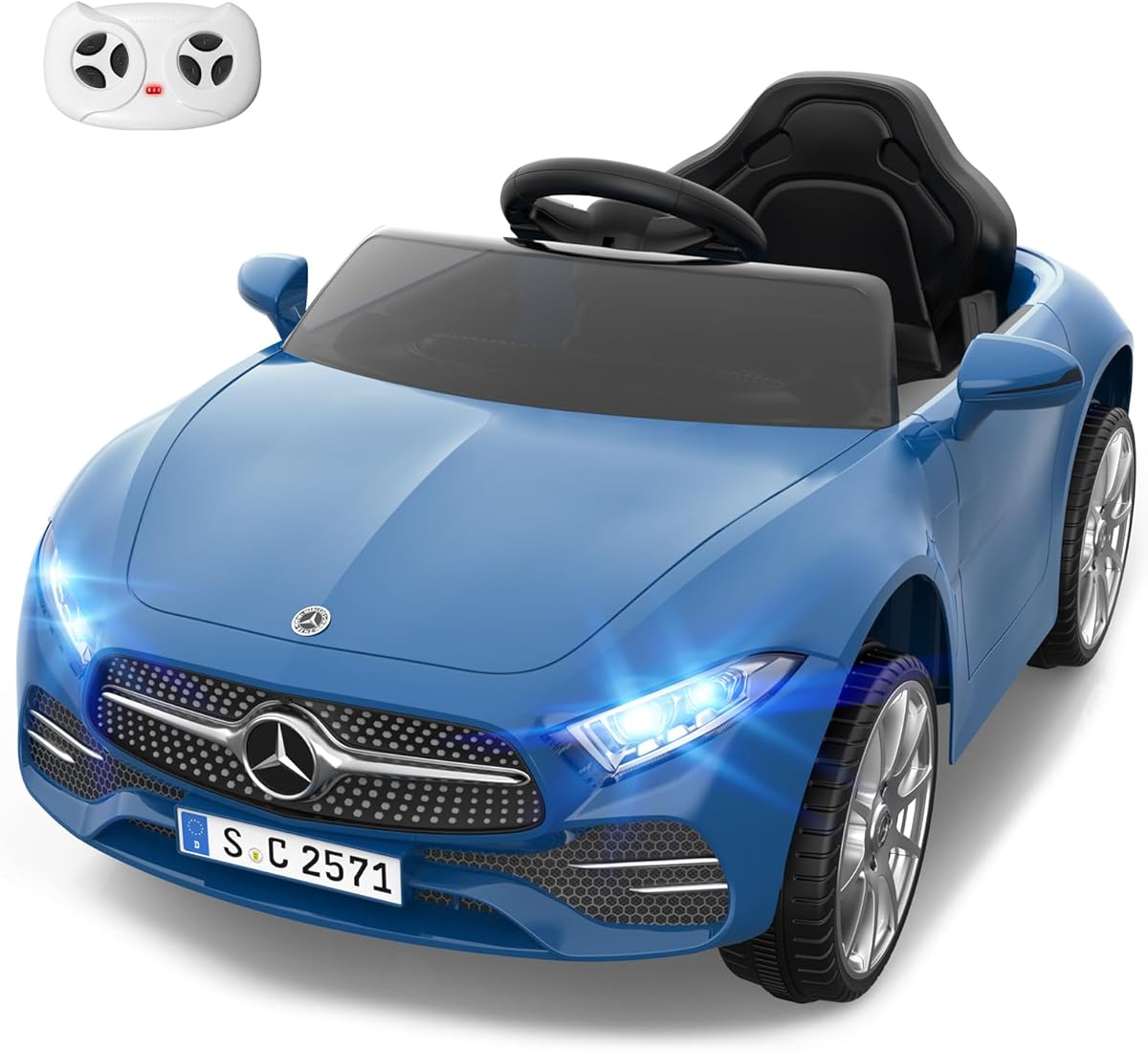
When selecting a 12V licensed electric car like this blue roadster, parents should focus on the interplay between the remote control's necessity and the child's age. The 3.1MPH top speed and Bluetooth music player are standard features, but build quality and battery life determine real-world enjoyment. This specific model's licensed design adds authenticity but doesn't guarantee superior construction.
Key Considerations Before Buying
- The remote control is essential for toddlers under 3, but its range and responsiveness vary significantly between models—test it on different surfaces before relying on it for safety.
- A 12V battery provides adequate power for moderate inclines and grass, but runtime depends heavily on the battery's amp-hour (Ah) rating, which is often unspecified in listings.
- The 'licensed' aspect refers to aesthetic design approval, not safety certification; always verify the product meets ASTM F963 toy safety standards independently.
What Our Analysts Recommend
Prioritize reviews mentioning assembly ease, specifically regarding wheel attachment and electrical connection points, as poor fittings lead to early failures. Look for mentions of the music player's speaker quality and volume control, as cheap components produce distorted sound. Genuine photos from reviews showing the car on grass or slight slopes offer the best insight into its true 12V motor capability.
Electric Vehicles Market Context
Market Overview
The 12V kids' electric car market is saturated with visually similar models, where price often reflects battery quality and motor durability rather than just licensed branding. Brands compete on accessory packages (like pretend licenses) and parental remote features, with Bluetooth connectivity becoming a near-universal expectation.
Common Issues
Frequent pain points include undersized batteries failing to meet advertised runtimes, remote controls with limited range or lag, and plastic steering wheels or dash components cracking under normal use. Charging ports and power switches are common failure points due to their frequent use.
Quality Indicators
Superior models use reinforced plastic at stress points like the wheel wells and seat base, feature metal axles instead of all-plastic drivetrains, and include a battery charger with automatic shut-off. Weight capacity ratings above 65 lbs often indicate a more robust frame construction.
Review Authenticity Insights
Grade B Interpretation
A Grade B with an 11% estimated fake review rate suggests most feedback is genuine, but a notable portion may be incentivized. For this product, the 4.40 adjusted rating (down from 4.67) indicates that authentic experiences are slightly less enthusiastic than the overall average implies.
Trust Recommendation
Focus on verified purchase reviews that describe specific scenarios, like 'lasted through two siblings' or 'struggles on our driveway's slight incline.' Be skeptical of reviews that only praise packaging or delivery speed without detailing performance, as these are common in incentivized feedback.
Tips for Reading Reviews
Search reviews for mentions of 'assembly time over 45 minutes' or 'remote disconnects at 20 feet'—these specific critiques reveal more than generic praise. Pay particular attention to mid-range (3-star) reviews, which often provide balanced assessments of the Bluetooth functionality versus build quality trade-offs.
Expert Perspective
This blue roadster's 4.40 adjusted rating from verified purchasers indicates it generally meets expectations for a mid-tier 12V ride-on. The high rating suggests the licensed design and included features like Bluetooth resonate with buyers, though the authenticity analysis implies some polishing of its online reputation. The key differentiator will be how the 3.1MPH speed translates to real-world use on non-paved surfaces, a detail often missing from specifications.
Purchase Considerations
Weigh the value of the licensed aesthetic against potentially higher-priced unlicensed models that may invest more in structural components. Consider if the remote control's dual-function (parental override and independent play) justifies any premium, as this feature is critical for toddlers but less so for children over 4.
Comparing Alternatives
Shoppers should compare this model's battery runtime claims and warranty terms against similar 12V vehicles, as these factors often reveal quality differences not apparent in photos.