
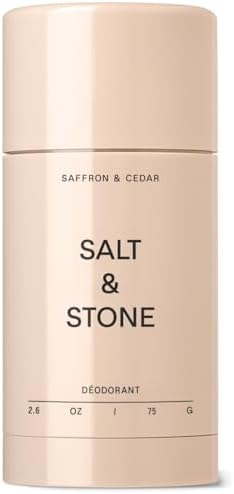
Evaluating Aluminum-Free Deodorants: What Salt & Stone's Formula Delivers
When considering Salt & Stone's aluminum-free deodorant, buyers should understand how its specific formulation—seaweed extracts, niacinamide, and prebiotics—aims to balance odor control with skin health. Unlike conventional antiperspirants that block pores, this product focuses on neutralizing odor-causing bacteria while nourishing the underarm microbiome. The 'Extra Strength 48 Hour Protection' claim targets users seeking robust performance without aluminum salts.
Key Considerations Before Buying
- The inclusion of niacinamide (Vitamin B3) specifically addresses skin barrier support and may help soothe irritation common in the underarm area, a key differentiator from basic baking soda formulas.
- Prebiotics in the blend, like inulin, are designed to feed beneficial skin bacteria, potentially creating a less hospitable environment for odor-producing microbes over time.
- The saffron and cedar scent profile offers a unisex, woody-aromatic alternative to traditional floral or citrus deodorants, which may appeal to those seeking gender-neutral fragrance options.
What Our Analysts Recommend
For aluminum-free deodorants like this, quality indicators include a clear list of active odor-fighting ingredients (e.g., magnesium hydroxide, zinc ricinoleate) and skin-soothers. The texture should be smooth and non-gritty, indicating proper emulsification of butters and waxes. Packaging that prevents the formula from drying out is also crucial for cream-based sticks.
Deodorant Market Context
Market Overview
The natural deodorant market has shifted from basic baking soda formulas to sophisticated blends featuring skincare actives and microbiome-supporting ingredients. Products like Salt & Stone represent a premium tier competing on efficacy claims and ingredient provenance rather than just being 'natural.'
Common Issues
Users transitioning to aluminum-free options often experience a 'detox period' of increased wetness or odor, and some formulas cause irritation from baking soda or essential oils. Performance inconsistency in humid climates or during high-stress activities remains a frequent complaint.
Quality Indicators
Look for third-party certifications (like EWG Verified), transparent sourcing of key ingredients (e.g., sustainably harvested seaweed), and clinical data or specific mechanism claims—like how prebiotics alter the skin's bacterial environment—rather than vague 'natural' marketing.
Review Authenticity Insights
Grade B Interpretation
A Grade B authenticity score with a 10% estimated fake review rate suggests the majority of Salt & Stone's 14,457 reviews are reliable, but shoppers should remain slightly cautious of overly enthusiastic outlier reviews. The adjusted rating dropping from 4.22 to 4.00 after filtering indicates some review inflation.
Trust Recommendation
Focus on verified purchase reviews that detail specific use cases, like performance during exercise or skin sensitivity reactions. Given the high review count, prioritize recent feedback (last 6 months) to assess any formula changes and look for patterns in both positive and critical comments about scent longevity and application texture.
Tips for Reading Reviews
For deodorants, pay special attention to reviews mentioning transition periods, sweat level (light vs. heavy sweaters), and skin type. Reviews discussing the actual experience with the saffron-cedar scent and the cream's consistency in different temperatures are more valuable than generic 'smells good' statements.
Expert Perspective
Salt & Stone positions itself competitively in the premium natural deodorant space with a clinically-inspired formula. The combination of seaweed extracts for minerals, niacinamide for skin comfort, and prebiotics represents a modern approach to odor management. The strong verified review base and 4.00 adjusted rating indicate generally satisfied customers, though the slight rating adjustment suggests managed expectations are wise. The 'extra strength' claim appears supported for many, but not all, users based on review patterns.
Purchase Considerations
This product is best suited for those prioritizing skin-friendly ingredients over absolute sweat blockage and who appreciate a sophisticated, gender-neutral fragrance. Consider your sensitivity to natural fragrances and whether your primary need is odor control (which this targets) versus wetness reduction (which aluminum-free products minimally address).
Comparing Alternatives
Shoppers should compare Salt & Stone's ingredient cost-per-ounce and texture against other premium clinical-natural hybrids like Native's sensitive line or Schmidt's charcoal magnesium formulas.


