Power Your Motorized Blinds with Sunlight: A Solar Panel Buyer's Guide
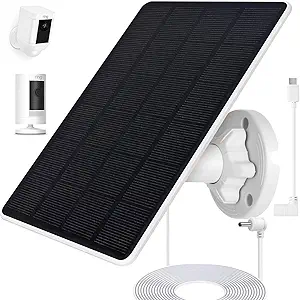
If you own motorized blinds or roller shades, you know the hassle of swapping batteries or running cords. This 5V USB solar panel is designed specifically to trickle-charge your blinds' batteries using window light, making it a specialized tool rather than a general-purpose panel. Before buying, understand that compatibility and placement are key to success with these low-power solar chargers.
Key Considerations Before Buying
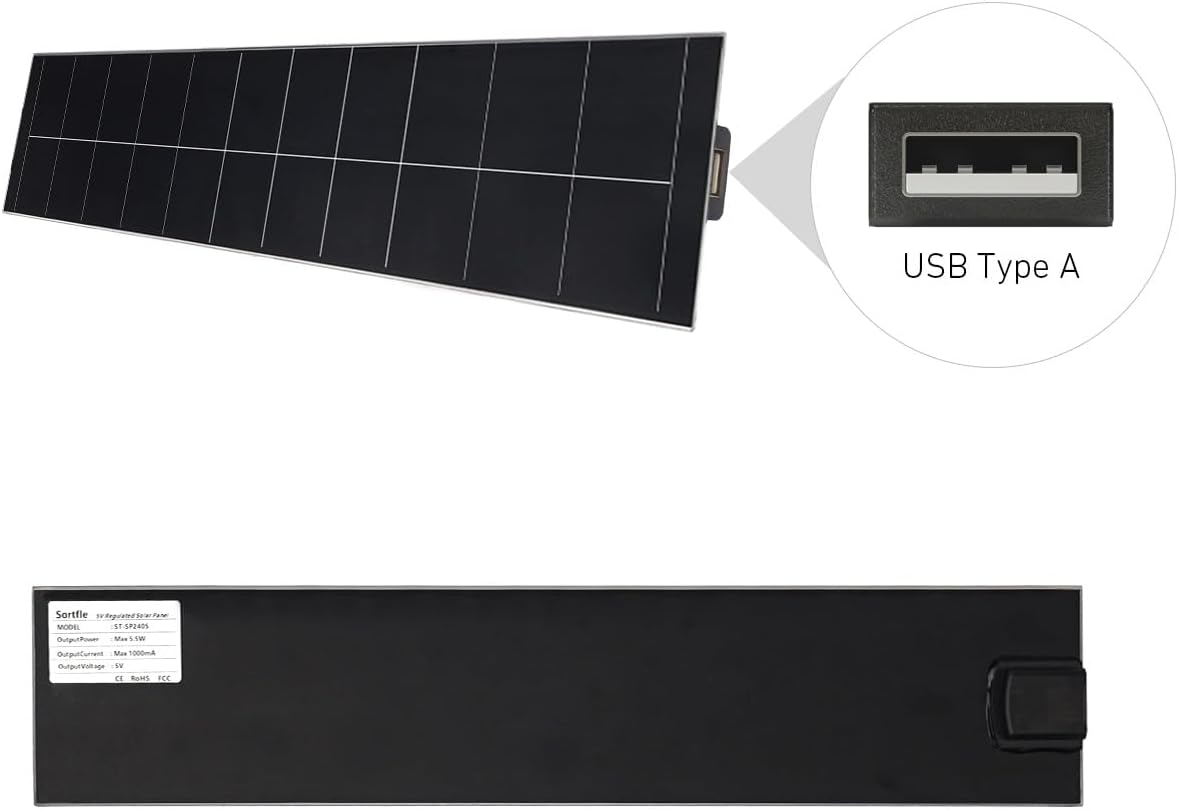
- Ensure your motorized blinds have a USB charging port—this panel outputs 5V/5W, so it's not for hardwired systems. Check your shade's manual for input voltage and connector type.
- Placement is critical: the panel must sit in a window with direct or bright indirect sunlight to generate enough power. A south-facing window in the Northern Hemisphere is ideal, but even then, cloudy days can reduce output.
- This is a maintenance charger, not a rapid charger. It's meant to keep your blinds' batteries topped off over days, not recharge them from empty in hours. If you use your blinds heavily, you may still need occasional wall charging.
What Our Analysts Recommend
For a blinds solar charger, look for a panel with a USB-A output (like this one), a compact size that fits window sills, and a durable, weather-resistant build if it will be near open windows. Also, verify the cable length is sufficient to reach from the window to your blinds' control unit.
Solar Panels Market Context
Market Overview
The solar-powered smart home accessory market is growing, with niche products like these blind chargers emerging to meet demand for energy-efficient convenience. Most general solar panels are designed for larger devices, so this category focuses on low-wattage, application-specific solutions.
Common Issues
A common problem is compatibility—many motorized blinds use proprietary charging ports or require higher voltage than 5V. Another issue is insufficient sunlight: users often underestimate how much direct sun is needed to maintain a charge, leading to disappointment.
Quality Indicators
Look for panels with high-efficiency monocrystalline cells (often rated above 20%), a built-in charge controller to prevent overcharging, and clear specifications for output voltage and current. Verified customer photos showing real-world setups are also strong quality signals.
Review Authenticity Insights
Grade B Interpretation
With a Grade B and an estimated 10% fake review rate, this product's review pool is mostly trustworthy but not flawless. The adjusted rating of 4.40 out of 5 (down from 4.60) suggests some inflated praise has been removed, giving you a more realistic picture of user satisfaction.
Trust Recommendation
You can rely on the majority of reviews here, but pay extra attention to detailed reviews that describe specific blind models and usage patterns. Be cautious of very short, overly positive reviews that lack specifics—they may be the 10% that are less genuine.
Tips for Reading Reviews
Focus on reviews that mention the exact brand or model of blinds they used, as compatibility is the top concern. Also, look for feedback on charging speed during different seasons or weather conditions—this will help you set realistic expectations for your own setup.
Expert Perspective
This 5V USB solar panel fills a specific niche well: it offers a convenient, eco-friendly way to reduce battery changes for motorized blinds with USB charging. The 4.40 adjusted rating indicates solid performance for its intended use, but it's not a universal solution. The 5W output is modest, so it's best suited for blinds that draw low power and are used in sunny windows.
Purchase Considerations
Before buying, confirm your blinds' charging requirements and measure your window sill space. If you have multiple blinds, consider whether you'll need one panel per unit or if you can rotate a single panel. Also, factor in your local climate—if you experience long cloudy periods, this may not eliminate the need for manual charging.
Comparing Alternatives
Shoppers should compare this with other low-wattage USB solar panels, especially those with higher efficiency ratings or longer cables, to ensure the best fit for their specific window and blind setup.