
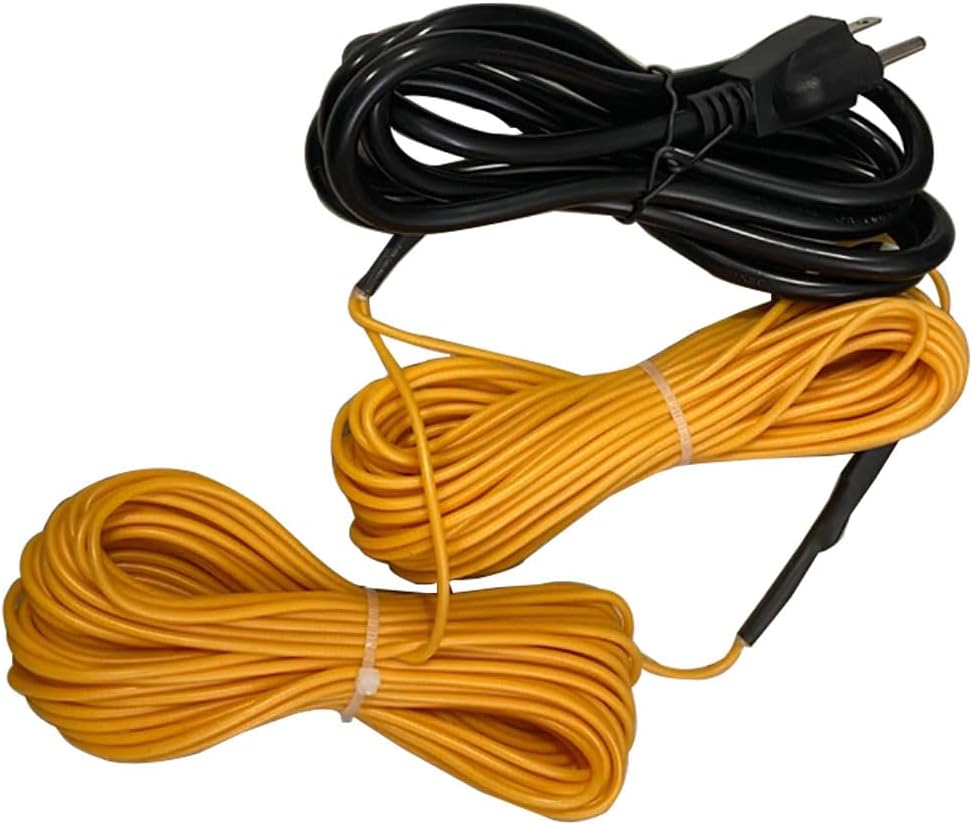
Choosing the Right Soil Heating Cable: Key Factors for Greenhouse and Cold Frame Success
When selecting a soil heating cable like this 98-foot, 200W carbon fiber model with a 131°F maximum temperature, gardeners must match the system's capabilities to their specific growing environment. This product's length and wattage determine its coverage area and heating capacity, while the included thermostat allows precise root zone temperature control. Understanding these specifications is crucial for protecting seedlings, extending growing seasons, and preventing soil freezing in unheated structures.
Key Considerations Before Buying
- Calculate your actual heating needs: This 98-foot cable covers approximately 32-40 square feet when spaced 8-12 inches apart, making it suitable for small to medium cold frames or greenhouse beds rather than large commercial operations.
- Assess installation requirements: Carbon fiber heating elements like this one offer flexibility and durability, but proper burial depth (typically 4-6 inches) and spacing are essential for even heat distribution and plant safety.
- Evaluate thermostat functionality: The included thermostat's temperature range and accuracy directly impact plant health and energy efficiency, particularly for temperature-sensitive seedlings and tropical plants.
What Our Analysts Recommend
Quality soil heating cables feature waterproof, UV-resistant connectors and durable insulation that withstands constant soil contact and moisture. The carbon fiber heating element should maintain consistent resistance along its entire length, preventing hot spots that could damage plant roots. Look for certifications like UL or ETL listing for electrical safety in damp environments.
Patio Heaters Market Context
Market Overview
The greenhouse and cold frame heating market has expanded significantly with more gardeners seeking season extension solutions, creating demand for reliable, energy-efficient soil warming systems. Carbon fiber heating cables represent a newer technology offering better flexibility and corrosion resistance compared to traditional metal heating elements.
Common Issues
Many soil heating systems fail due to inadequate waterproofing at connection points, thermostat inaccuracies that either underheat or overheat soil, or cables that develop hot spots after repeated bending. Improper installation depth also causes uneven heating and potential root damage.
Quality Indicators
Superior soil heating cables feature double-insulated conductors, fully waterproof junction boxes, and thermostats with ±2°F accuracy. The best systems include installation guides specific to various soil types and plant requirements, not just generic instructions.
Review Authenticity Insights
Grade A Interpretation
The Grade A authenticity rating and 0.00% estimated fake review percentage indicate exceptionally trustworthy customer feedback for this product. This suggests reviewers are genuine gardeners reporting actual experiences rather than promotional content.
Trust Recommendation
Given the high authenticity score, you can place significant confidence in the 4.70/5 adjusted rating. Pay particular attention to reviews discussing long-term performance through multiple seasons, as these provide the most valuable insights for a product meant for repeated seasonal use.
Tips for Reading Reviews
Focus on reviews that mention specific applications like seed starting dates, plant varieties grown, or temperature settings used. Authentic reviews often include installation details, energy consumption observations, or comparisons with previous heating methods they've tried.
Expert Perspective
This 98-foot carbon fiber soil heating cable presents a compelling option for serious home gardeners and small-scale growers based on its strong authenticity metrics and specific design features. The 200W power rating provides adequate heating for its length without excessive energy consumption, while the 131°F maximum temperature offers sufficient headroom for most temperate climate applications. The inclusion of a thermostat separates this from basic heating mats, allowing precise temperature management crucial for optimal germination and root development.
Purchase Considerations
Consider whether your greenhouse or cold frame has adequate electrical access for this 200W system and whether the 98-foot length matches your bed configurations. Gardeners in extremely cold climates should verify this system's adequacy for their minimum temperatures, as soil heating needs vary significantly by region and structure insulation.
Comparing Alternatives
Compare this cable's specifications against shorter or higher-wattage options if your needs differ, and consider whether separate thermostat systems might offer more advanced programming features.


