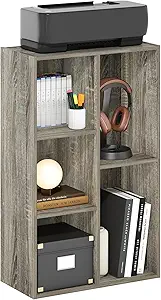
Choosing a Rotating Bookshelf: Space Efficiency vs. Structural Integrity
The OOOK 4-tier rotating bookshelf represents a specific furniture niche that prioritizes space optimization through 360° rotation. Unlike stationary bookcases, this design requires careful evaluation of pivot mechanisms and weight distribution. Buyers should understand that rotating shelves introduce unique considerations beyond traditional book storage.
Key Considerations Before Buying
- Rotation mechanism quality: The central spindle and bearing system must handle uneven weight loads without wobbling or sticking, especially when shelves are partially filled.
- Footprint vs. capacity: While advertised as space-saving, measure your actual floor space against the rotating radius—some users report needing more clearance than expected for full rotation.
- Age appropriateness: The 'kids & adults' designation requires verification—check shelf height spacing for children's access and ensure the base is sufficiently weighted to prevent tipping during enthusiastic rotation.
What Our Analysts Recommend
Examine the solid wood construction specifics—kiln-dried wood resists warping better than air-dried. Quality rotating shelves feature metal-reinforced pivot points rather than all-wood connections. Look for adjustable leveling feet, which are crucial for stable rotation on uneven floors.
Bookcases Market Context
Market Overview
Rotating bookshelves have gained popularity in the home office and children's furniture segments, offering interactive storage solutions. The market includes varying quality tiers, from novelty items to serious furniture pieces, with significant price variations reflecting construction differences.
Common Issues
Lower-quality rotating shelves develop wobble over time, have inconsistent shelf spacing that limits book height options, or feature weak spindle connections that fail under full load. Some models have rotation mechanisms that become stiff or noisy after months of use.
Quality Indicators
Superior rotating bookcases use hardwood rather than softwood construction, feature steel reinforcement at stress points, and include smooth-rolling ball bearing systems. Quality units maintain consistent 1-2mm gaps between rotating components to prevent pinching while minimizing wobble.
Review Authenticity Insights
Grade B Interpretation
A Grade B authenticity rating with 11% estimated fake reviews indicates generally reliable feedback with moderate manipulation concerns. The adjusted 4.60 rating (down from 4.89) suggests some review inflation but still reflects genuine positive experiences.
Trust Recommendation
Focus on verified purchase reviews that mention specific usage scenarios—like 'holds my 40 graphic novels' or 'my 5-year-old can turn it easily.' Be skeptical of reviews lacking installation details or weight capacity testing, as these may be less authentic.
Tips for Reading Reviews
Prioritize reviews discussing assembly challenges, weight distribution tests, and long-term durability (3+ months). Look for mentions of specific book types stored—textbooks versus paperbacks—as this reveals real capacity insights.
Expert Perspective
The OOOK rotating bookshelf's 4.60 adjusted rating suggests it performs well within its category, though the authenticity analysis indicates some review manipulation. The solid wood construction is a positive differentiator from particle board competitors, but the rotating mechanism's long-term durability remains the critical unknown. This product appears best suited for medium-density book storage rather than heavy reference collections.
Purchase Considerations
Evaluate your need for rotation versus stationary storage—the mechanism adds complexity that may not justify the space savings if you rarely access all sides. Consider the total weight of your intended book collection against the manufacturer's stated capacity, allowing a 20% margin for safety.
Comparing Alternatives
Compare with stationary ladder shelves or corner units that may offer similar space efficiency without mechanical components.