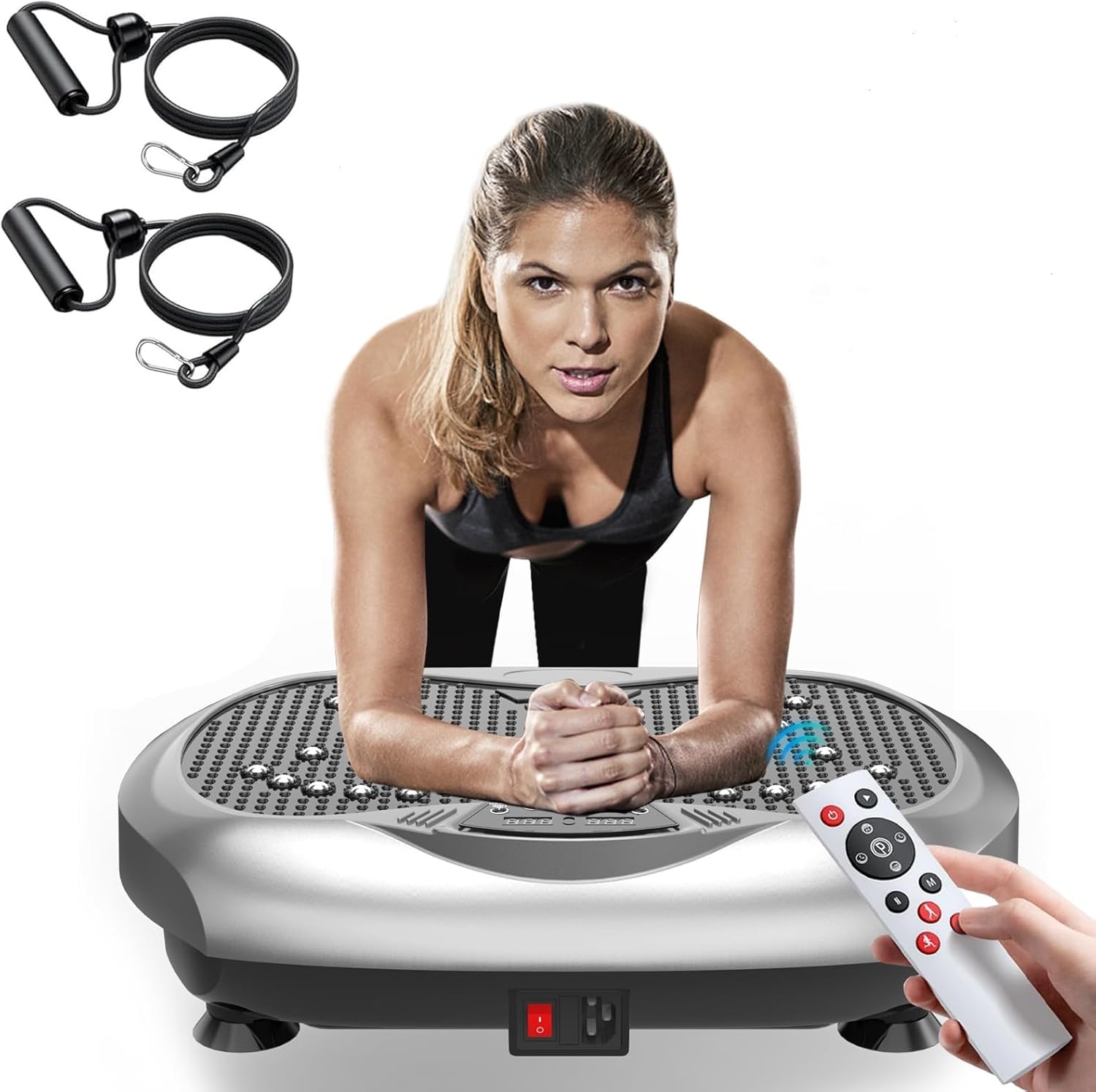
Maximize Your Home Workout: MERACH Vibration Plate Buyer's Guide
When shopping for a vibration plate machine like the MERACH, it's crucial to understand that not all platforms are created equal. This guide focuses on key features such as Bluetooth connectivity for workout tracking and the silicone pedal's impact on comfort and noise, helping you evaluate if this specific model meets your fitness needs.
Key Considerations Before Buying
- Amplitude and frequency range: The MERACH likely offers variable speeds; check if they suit your goals—lower frequencies for recovery, higher for muscle activation.
- Platform stability and weight capacity: Ensure the machine's base is sturdy enough for your body weight and movements, as flimsy platforms can reduce effectiveness and safety.
- Bluetooth integration and app quality: A seamless connection for tracking workouts or accessing auto modes is a plus, but verify app reviews for reliability and features that match your training style.
What Our Analysts Recommend
High-quality vibration plates often feature durable, non-slip surfaces (like the MERACH's silicone pedal) and whisper-quiet motors. Look for certifications like CE or FCC, which indicate safety and performance standards, and assess the variety of auto modes to ensure they align with your preferred workout routines.
Vibration Platform Machines Market Context
Market Overview
The vibration platform market has grown significantly, with home fitness enthusiasts seeking compact, multipurpose machines for low-impact workouts. Brands like MERACH compete by adding smart features like Bluetooth and auto modes, but consumers should be wary of exaggerated claims about weight loss or muscle toning.
Common Issues
Common problems include motor noise over time, platform wobbling at high speeds, and ineffective vibration transmission. Some units also have poorly designed apps that disconnect frequently, undermining the smart workout experience.
Quality Indicators
Quality machines use high-grade motors with consistent oscillation, have robust frames with high weight limits, and offer clear frequency settings. User reviews that mention long-term durability and balanced feedback on both pros and cons are strong indicators of a reliable product.
Review Authenticity Insights
Grade B Interpretation
With a Grade B and an estimated 10% fake review rate, the MERACH's review pool is largely trustworthy but not flawless. This means about 9 out of 10 reviews are likely genuine, so you can generally trust the high 4.89 average, but a small portion may be inflated.
Trust Recommendation
Given the strong authenticity signals—like verified purchases and detailed health contexts—you can rely on the overall positive sentiment. However, focus on reviews that mention specific usage over time, as they are less likely to be fabricated.
Tips for Reading Reviews
For vibration plates, prioritize reviews that discuss noise levels, build quality after weeks of use, and specific workout results. Be cautious of overly enthusiastic, short reviews lacking personal details, as these are common among fake submissions.
Expert Perspective
The MERACH Vibration Plate Exercise Machine appears to be a well-regarded option in the home fitness space, backed by a high adjusted rating of 4.60/5 and authentic user feedback. Its Bluetooth and silicone pedal features add modern convenience, but the 10% fake review rate suggests some hype. The product likely delivers on low-impact vibration training for general fitness, though it may not replace more specialized equipment for serious athletes.
Purchase Considerations
Consider your fitness goals: if you want a versatile, app-connected machine for gentle workouts or recovery, the MERACH is a strong candidate. However, if you require higher amplitude for intense muscle stimulation or have a larger budget, you might explore commercial-grade alternatives.
Comparing Alternatives
Shoppers should compare the MERACH with other vibration plates in a similar price range, such as those from LifePro or Hyperice, to evaluate motor power, warranty, and user experience differences.