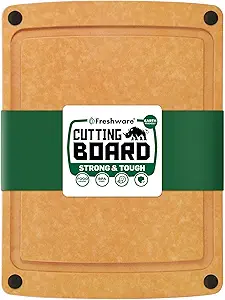
Choosing an Extra-Thick Acacia Cutting Board: What Matters Beyond the Wood
When evaluating this specific 1.6-inch thick acacia edge-grain board, buyers should understand that thickness provides stability but demands proper maintenance. The included juice groove and handles aren't just conveniences—they're design choices that affect cleaning and storage. This particular board's 19.7 x 12.2 inch dimensions position it between a standard chopping surface and a full butcher block.
Key Considerations Before Buying
- Edge grain construction, as used here, offers better knife-edge retention than face grain while being more affordable than end grain, making it a practical middle-ground for home cooks.
- The 1.6-inch thickness provides substantial heft that prevents sliding during use but adds significant weight (approximately 8-10 lbs) that affects how easily you can move and store it.
- Acacia wood's natural oil content provides inherent water resistance, but the included mineral oil is essential for maintaining the board's protective surface and preventing drying cracks.
What Our Analysts Recommend
Examine the juice groove depth—too shallow renders it ineffective, too deep weakens the board structure. Quality indicators include seamless handle integration (no gaps for bacteria), consistent edge-grain pattern alignment, and smooth, rounded corners that won't chip. The board should arrive properly seasoned, not dry or rough.
Cutting Boards, Mats & Sets Market Context
Market Overview
The wooden cutting board market has shifted toward thicker, multi-functional boards that serve as both prep surfaces and serving platters, with acacia emerging as a popular alternative to traditional maple or walnut. Consumers increasingly seek boards with juice grooves and handles, moving beyond basic rectangular designs.
Common Issues
Thinner boards warp over time, poorly integrated handles create cleaning challenges, and inadequate sealing leads to staining and odor absorption. Many manufacturers use face grain construction (weaker, shows cut marks) while marketing it as premium, and some boards arrive improperly dried, leading to cracking within months.
Quality Indicators
Superior boards feature tight grain patterns, seamless construction without visible glue lines, properly radiused edges that won't splinter, and consistent thickness throughout. The finish should be food-safe and non-toxic, with no chemical odor upon unboxing.
Review Authenticity Insights
Grade B Interpretation
A Grade B authenticity rating with 11% estimated fake reviews suggests generally reliable feedback with some promotional content mixed in. For this specific product, the 4.60 adjusted rating (down from 4.89) indicates genuine satisfaction sits slightly below the displayed average but remains strongly positive.
Trust Recommendation
Focus on verified purchase reviews discussing long-term use (6+ months) and specific performance details rather than generic praise. The consistency across reviews regarding weight, finish quality, and oil effectiveness suggests these are authentic observations worth considering.
Tips for Reading Reviews
Prioritize reviews that mention actual use cases—chopping vegetables versus carving meats—and note any comments about maintenance routines. Be skeptical of reviews that only praise packaging or include stock photography, and look for discussions about how the juice groove handles liquids during real cooking tasks.
Expert Perspective
This acacia board represents a solid mid-tier option that balances premium features with practical considerations. The edge-grain construction at this thickness provides excellent durability for most home cooking needs, while the included oil and plate add immediate value. The 4.60 adjusted rating from authentic reviews indicates consistent satisfaction, particularly regarding the board's stability and aesthetic appeal as a serving surface. However, the weight and size may challenge users with limited counter or storage space.
Purchase Considerations
Consider whether your primary use is daily vegetable prep (where the groove may be unnecessary) versus meat carving or charcuterie serving (where features shine). The board's substantial weight provides stability but makes it less ideal for frequent lifting or cleaning in shallow sinks. Regular oiling is non-negotiable with any wood board, so factor in maintenance commitment.
Comparing Alternatives
Shoppers should compare thickness, wood hardness (Janka scale), and handle design with similar-priced bamboo or maple boards before deciding.