Smart portable ACs require careful BTU matching and installation planning
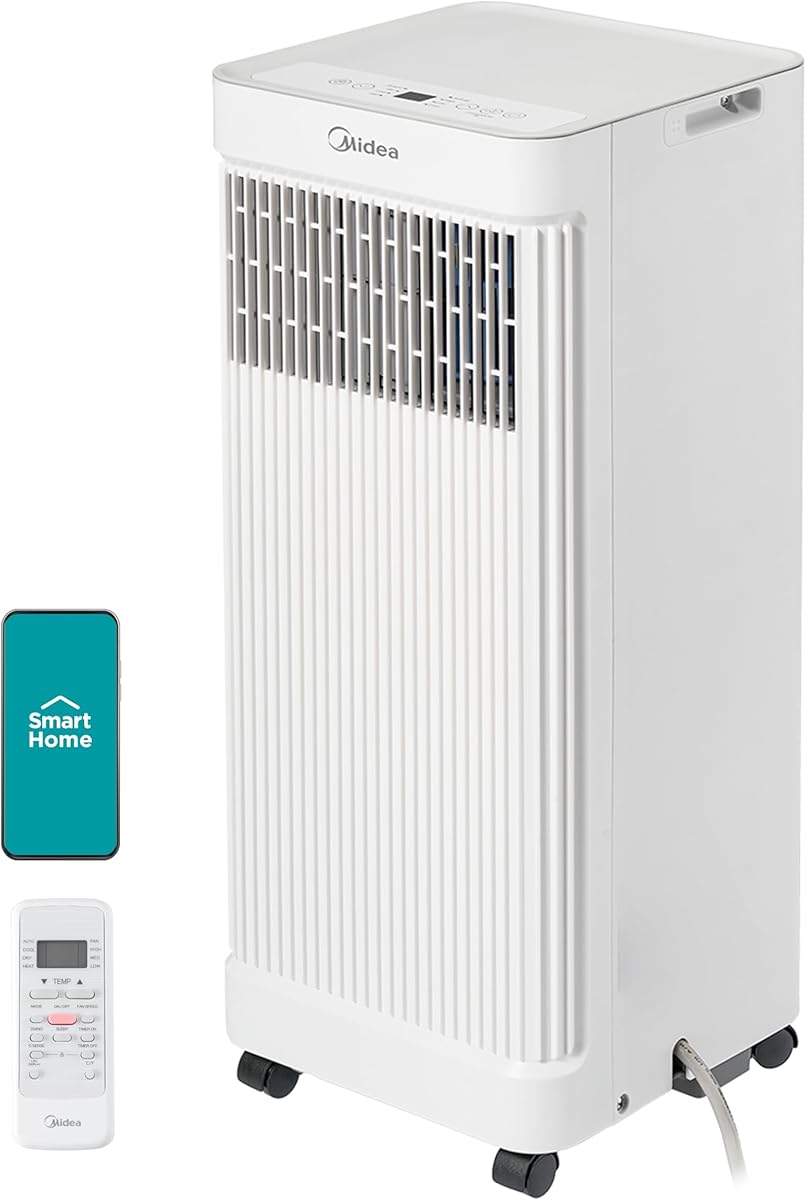
The Midea 10,000 BTU ASHRAE (7,100 BTU SACC) model represents a mid-range portable AC with smart features, but buyers must understand the significant difference between ASHRAE and SACC cooling ratings. This unit's 7,100 BTU SACC rating means it's realistically sized for 250-300 sq ft, not the 10,000 BTU ASHRAE rating might suggest.
Key Considerations Before Buying
- The 29% reduction from ASHRAE to SACC BTU ratings is critical—this unit cools smaller spaces than traditional 10,000 BTU window units.
- Smart control features require stable Wi-Fi and the Midea app, which adds convenience but potential connectivity issues.
- Portable ACs like this Midea require proper window kit installation and regular drainage management for optimal performance.
What Our Analysts Recommend
Quality portable ACs should include a complete window installation kit with multiple adapter panels, not just one-size-fits-all solutions. Check for dual-hose versus single-hose designs—this Midea uses a single exhaust hose, which is less efficient but simpler to install. Look for units with auto-drain evaporation technology to minimize manual emptying.
Portable Market Context
Market Overview
The portable AC market has shifted toward smart-enabled models with app control, though installation challenges remain universal. Recent SACC rating standardization has created confusion, with many manufacturers listing both ASHRAE and SACC numbers as seen with this Midea unit.
Common Issues
Portable ACs frequently struggle with proper window sealing, leading to cooled air escaping and reduced efficiency. Single-hose designs like this Midea's can create negative pressure, drawing warm air into the room from other openings. Drainage systems often require manual intervention despite claims of auto-evaporation.
Quality Indicators
Higher-quality portable ACs feature multi-panel window kits, dual-hose designs for better efficiency, and robust compressor warranties. Look for units with detailed installation guides addressing various window types—the Midea includes a kit but reviews suggest installation complexity varies by window configuration.
Review Authenticity Insights
Grade B Interpretation
A Grade B with 11% estimated fake reviews indicates generally trustworthy feedback with moderate review manipulation. The 0.22-point rating drop after adjustment suggests some inflated positive reviews, but the 4.00 adjusted rating remains solid for this category.
Trust Recommendation
Focus on reviews discussing specific installation scenarios, window types, and long-term performance over 2-3 seasons. Be skeptical of reviews that don't mention BTU/SACC rating confusion or installation details, as genuine users almost always address these practical concerns.
Tips for Reading Reviews
Prioritize reviews that mention the SACC/ASHRAE rating difference and specific square footage cooled. Look for detailed installation stories with window measurements—authentic reviews typically describe their window type and whether the included kit worked without modification.
Expert Perspective
This Midea portable AC represents a competent mid-tier option with smart features that appeal to tech-savvy users, though the significant BTU rating difference between ASHRAE and SACC standards requires careful space matching. The 4.00 adjusted rating from verified reviews suggests satisfactory performance for appropriately sized rooms under 300 sq ft. The smart functionality adds convenience but depends on app reliability, which some reviews note can be inconsistent.
Purchase Considerations
Consider this unit primarily for supplemental cooling in rooms where window units aren't feasible, understanding its true 7,100 BTU SACC capacity. Evaluate your window type against the included installation kit—casement and sliding windows typically work best. The dehumidifier function adds value in humid climates but requires drainage management.
Comparing Alternatives
Shoppers should compare this Midea's smart features against simpler models with dual-hose designs that may offer better efficiency despite fewer connectivity options.