
Active Plug-and-Play Systems: Balancing Screen Time with Physical Movement for Kids
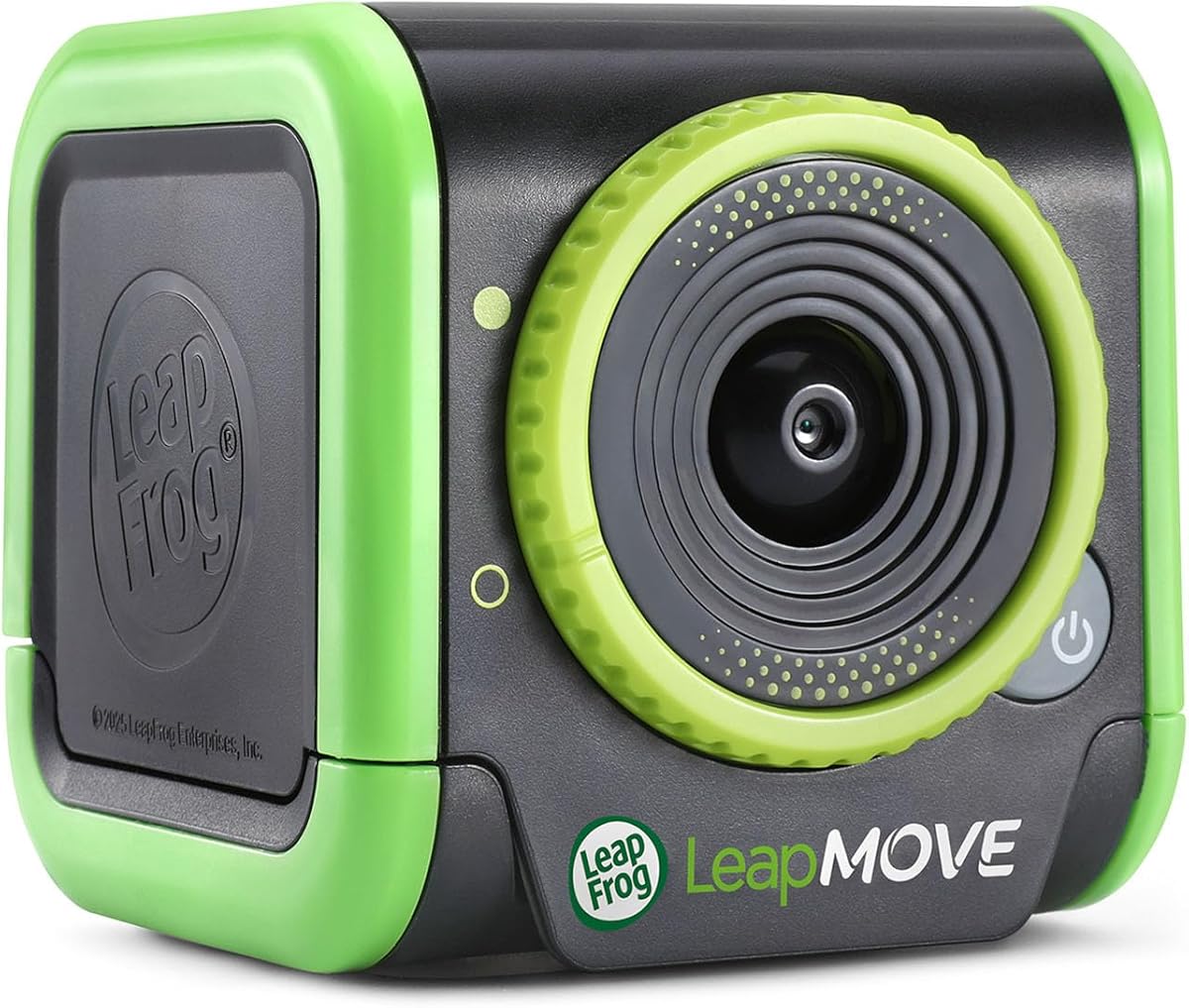
The LeapFrog LeapMove represents a specific niche in kids' electronics: active learning systems that combine educational video games with physical movement. Unlike passive screen time or traditional console games, this product uses a motion-sensing camera to translate a child's movements into gameplay, aiming to develop both cognitive and motor skills. Buyers should understand this hybrid approach requires adequate play space and consistent child engagement to deliver on its promise.
Key Considerations Before Buying
- Physical space requirements are critical; the included camera needs a clear, stable view of the child's full-body movements, which many reviewers note requires more room than anticipated.
- Content depth varies; while the system includes 40+ learning games, the educational progression and replay value for different age groups (3-8 years) should be evaluated against your child's specific developmental stage.
- Hardware durability is a factor; as a plug-and-play system with wired components (camera, controller), its resilience to the typical wear-and-tear of enthusiastic preschool and early elementary use is a practical concern.
What Our Analysts Recommend
For active learning systems, prioritize units with a robust, adjustable camera mount and clearly documented play space dimensions. High-quality systems feature age-graded content that adapts challenge levels and provides specific skill feedback (e.g., 'great jumping!'). Check that the included games target a range of learning domains, like mathematics, reading, and science, not just general physical activity.
Plug & Play Video Games Market Context
Market Overview
The plug-and-play active video game market for kids is currently dominated by a few key players like LeapFrog and VTech, focusing on TV-connected systems that require no separate console. These products compete directly with tablet apps and dedicated gaming consoles by offering a curated, age-appropriate, and often more physically engaging alternative. The value proposition hinges on merging education with entertainment in a parent-controlled ecosystem.
Common Issues
Common pitfalls include inconsistent motion detection, especially in lower-light conditions, and games that may not hold a child's interest long-term, leading to the system gathering dust. Parents frequently report frustration with setup complexity for a 'plug-and-play' product and a perceived gap between the advertised age range and the actual suitability for the youngest or oldest children within that bracket.
Quality Indicators
Look for systems with a high refresh rate camera (often 60fps) for smooth motion tracking and minimal lag. Quality is also signaled by software that offers detailed progress tracking for parents and games designed by educational specialists, not just game developers. A solid warranty and accessible customer support for a primarily hardware-dependent product are essential quality markers.
Review Authenticity Insights
Grade B Interpretation
A 'Grade B' authenticity score with an estimated 15% fake review rate for the LeapMove indicates a generally trustworthy review landscape, but advises heightened scrutiny. This level suggests most feedback is from real purchasers, yet a notable minority of reviews may be overly promotional or attempt to artificially inflate the rating from its adjusted 3.7/5.
Trust Recommendation
Focus on the verified purchase reviews, which constitute the majority here. Pay particular attention to 3- and 4-star reviews for balanced insights about space requirements and game longevity, as these mid-range ratings are less likely to be manipulated. Be skeptical of reviews that don't mention specific games, setup steps, or physical space—hallmarks of genuine user experience.
Tips for Reading Reviews
For this product type, prioritize reviews that detail the setup process, the required play area dimensions, and how the educational content aligns with their child's age over several weeks. Look for mentions of specific games (like 'Number Raiders' or 'Alphabet Stew') and observations about the camera's sensitivity, as these are concrete, hard-to-fake details from actual use.
Expert Perspective
The LeapFrog LeapMove presents a compelling, if niche, proposition. The adjusted 3.7-star rating from authentic reviews suggests it successfully delivers an active, educational experience for many families, but has consistent pain points—primarily around space needs and content depth for the full 3-8 age range. Its strength lies in merging LeapFrog's established educational framework with physical play, a combination less common in the plug-and-play category. The system's performance is highly dependent on the home environment and the child's engagement style.
Purchase Considerations
Weigh your available floor space and your child's propensity for full-body games against the desire to reduce sedentary screen time. Consider if the included game library's themes (math, science, reading) match your child's current learning interests. This product is best suited for families seeking a structured, TV-based activity that encourages movement, rather than a deep, narrative-driven gaming experience.
Comparing Alternatives
Shoppers should compare the LeapMove's camera-based approach with wand-based systems like the VTech Move & Learn and app-based alternatives on tablets that use the device's built-in camera.


