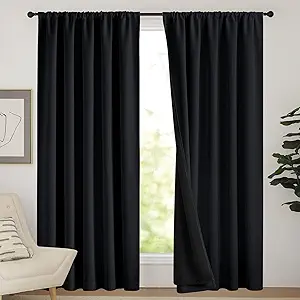
Finding True Darkness: Your Guide to No-Drill Blackout Blinds
If you're shopping for temporary blackout solutions like this 118" x 57" portable shade with hook-and-loop tape, you're likely seeking a balance between light blockage and easy installation—especially for spaces like nurseries or rental bedrooms. This guide zeroes in on what makes a blackout blind effective, from fabric density to mounting methods.
Key Considerations Before Buying
- Fabric opacity is non-negotiable: Look for a high-denier count (like 420D here) and multi-layer construction to ensure no light seeps through the weave, which is critical for daytime sleep or baby naps.
- Installation flexibility matters: No-drill options with adhesive hook-and-loop tapes (like the 12 included strips) are great for renters or temporary setups, but verify the tape's hold on your specific wall texture—some surfaces may require extra reinforcement.
- Size compatibility is key: This blind's 118" x 57" dimensions are ideal for large windows or sliding doors, but measure your window frame precisely; an imperfect fit can create light gaps that undermine the blackout effect.
What Our Analysts Recommend
Quality blackout blinds should have a tight, uniform weave and a dark backing layer to block UV rays and heat. Check for reinforced edges and strong adhesive strips that won't peel off in humid conditions, and look for user feedback on light leakage at the sides or top.
Panels Market Context
Market Overview
The temporary blackout blind market has grown rapidly, driven by remote work, shift sleepers, and parents seeking affordable nursery solutions. Products like this 420D no-drill shade compete with traditional curtains and cellular shades, offering a middle ground between cost and performance.
Common Issues
Common complaints include adhesive failure over time, especially in warm or damp climates, and light leakage around edges if the blind isn't custom-cut or properly sized. Some users also report that thinner fabrics allow light penetration during bright daylight hours.
Quality Indicators
High-quality blackout blinds use at least three layers of fabric or a foam-backed coating, with a denier count of 300D or higher. Look for detailed installation instructions, multiple tape strips for larger windows, and reviews that specifically mention 'no light gaps' or 'total darkness.'
Review Authenticity Insights
Grade B Interpretation
With a Review Authenticity Grade of B and an estimated 10% fake review rate, you can trust the majority of the 420 reviews, but about 42 may be unreliable. The Grade B suggests moderate confidence—most feedback is genuine, but a small portion could be incentivized or fabricated, so cross-check claims.
Trust Recommendation
Focus on verified purchase reviews that describe specific use cases, like nursery or bedroom setups, and note any durability issues after weeks of use. The high average rating of 4.78 (adjusted to 4.50) indicates real satisfaction, but the slight drop after filtering suggests a few overly positive reviews—pay attention to balanced feedback.
Tips for Reading Reviews
For temporary blackout blinds, prioritize reviews that mention installation ease, tape adhesion, and light-blocking performance in different lighting conditions. Look for photos showing the blind in place, and be wary of reviews that use generic language like 'works great' without specific details.
Expert Perspective
This 118" x 57" no-drill blackout blind offers a practical, affordable solution for renters or parents needing quick light control, with a strong 4.50 adjusted rating indicating solid real-world performance. The 420D fabric and 12 hook-and-loop tapes suggest a focus on usability, though the 10% fake review rate warrants some caution when evaluating individual feedback. Given the high genuine review count, this product likely delivers on its core promise of portability and darkness, but users should confirm their window dimensions and wall surface compatibility.
Purchase Considerations
Weigh the convenience of no-drill installation against potential long-term adhesion issues, and consider if the 57-inch drop fits your window height perfectly. If total blackout is critical (e.g., for a baby nursery), this product appears reliable based on user reports, but you may need to supplement with side seals for complete darkness.
Comparing Alternatives
Shoppers should compare this with other temporary options like suction-cup shades or tension rod blinds, especially for irregular window shapes or high-humidity environments.