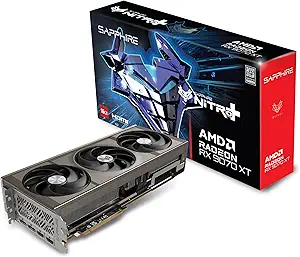
Navigating the Next-Gen GPU Market: The ASUS TUF RTX 5090 at a Glance
For those eyeing the ASUS TUF Gaming RTX 5090, you're stepping into the realm of flagship graphics cards designed for 4K/8K gaming and professional workloads. This card leverages NVIDIA's next-gen architecture with 32GB of GDDR7 memory, PCIe 5.0 support, and a 3.6-slot vapor chamber cooler—a serious investment that demands careful evaluation of your case size, power supply, and performance needs.
Key Considerations Before Buying
- Case and Power Compatibility: The RTX 5090's 3.6-slot design means it's one of the largest consumer GPUs ever made; measure your case clearance and ensure you have at least an 850W PSU (1000W recommended) with the appropriate 12V-2x6 power connectors.
- Cooling and Noise: ASUS's vapor chamber and triple-fan setup are engineered for high thermal loads, but in a compact case or under sustained load, fan noise may be noticeable—reviewers note it runs cool but not silent.
- Use Case Alignment: With 32GB of GDDR7, this card excels beyond gaming—it's ideal for AI/ML workloads, 3D rendering, and multi-monitor setups. For pure gaming at 1440p, it may be overkill and a lower-tier card could offer better value.
What Our Analysts Recommend
Look for cards with robust cooling solutions like vapor chambers and large heatsinks, as the RTX 5090 generates significant heat. Military-grade components and protective PCB coatings (as found on this TUF model) signal durability and resistance to humidity or dust. Also, check for DisplayPort 2.1 support to future-proof for high-refresh-rate monitors.
Graphics Cards Market Context
Market Overview
The high-end GPU market in 2025 is defined by the RTX 50-series launch, pushing boundaries in ray tracing and AI-accelerated features. With 32GB of GDDR7 memory becoming the new standard for flagship cards, competition centers on thermal management and power efficiency, as these cards push 450W+ TDPs.
Common Issues
Buyers often face supply constraints and price volatility, leading to inflated prices from third-party sellers. Additionally, the sheer size and power draw of cards like the RTX 5090 can cause compatibility headaches with standard cases and older PSUs, and driver stability can be a concern early in a product's lifecycle.
Quality Indicators
A quality high-end GPU should feature a robust cooler (vapor chamber, multiple fans), premium components (military-grade capacitors, protective coating), and a strong warranty (3+ years). Verified purchase reviews with detailed performance benchmarks are a good sign of real-world reliability.
Review Authenticity Insights
Grade B Interpretation
The B grade with an estimated 15% fake review rate suggests that while most feedback is genuine, a notable minority may be incentivized or fabricated. This is typical for a high-demand flagship product where competition for visibility is fierce. The 4.56 average rating should be taken with a grain of salt—our adjusted 4.20 rating is likely more realistic.
Trust Recommendation
Focus on reviews that mention specific use cases (e.g., 'I use this for Blender rendering' or 'Running Cyberpunk 2077 at 4K') and include photos of the card installed. Be skeptical of overly brief five-star reviews or those that lack verified purchase tags. Cross-reference with tech review sites for objective benchmarks.
Tips for Reading Reviews
For graphics cards, prioritize reviews that discuss thermals under load, noise levels, and overclocking headroom. Ignore reviews that only praise 'fast shipping' or 'packaging'—these are often filler. Look for patterns: if multiple reviews mention coil whine or driver crashes, it's a real concern.
Expert Perspective
The ASUS TUF Gaming RTX 5090 is a powerhouse built for enthusiasts and professionals who need uncompromising performance. Its military-grade build and vapor chamber cooling address the thermal challenges of this generation, and the 3-year warranty adds peace of mind. However, the 15% fake review rate and slight rating inflation suggest you should verify real-world performance through independent benchmarks before committing.
Purchase Considerations
Weigh the $2,000+ price tag against your actual workload—if you're gaming at 1440p or below, a RTX 5080 or 4090 may be more cost-effective. Also, consider that early adoption often comes with driver teething issues; waiting for a few driver updates could yield a smoother experience.
Comparing Alternatives
Shoppers should compare this with the RTX 5090 Founders Edition for size and cooling differences, or consider the RTX 4090 for a more mature, slightly less powerful but often cheaper option.