
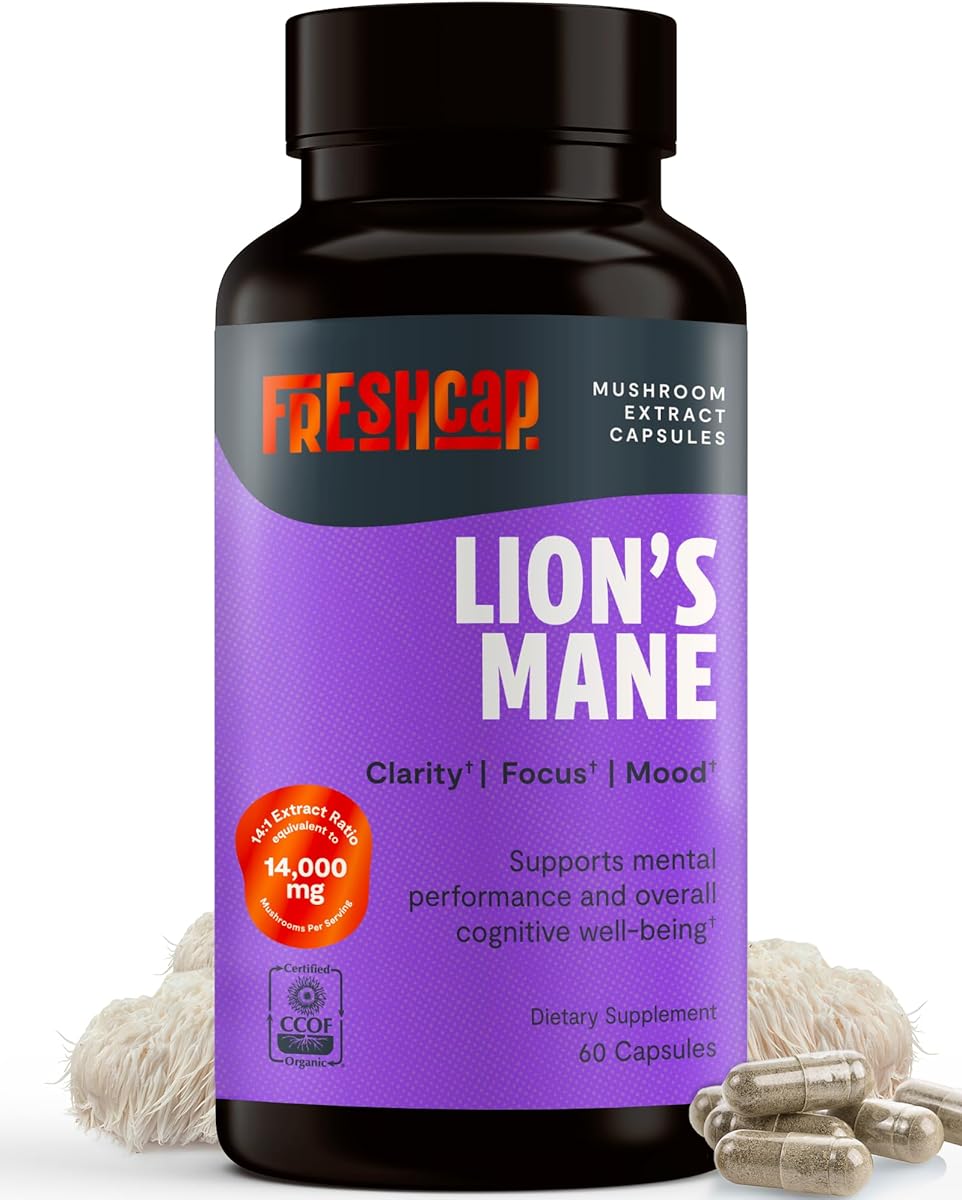
Evaluating Lion's Mane Supplements: Extraction Methods and Beta-Glucan Content Matter
When considering the FreshCap Lion's Mane supplement, buyers should understand that not all mushroom extracts are created equal. This product's triple-extraction process and 31% beta-glucan concentration represent specific manufacturing choices that directly impact bioavailability and potential cognitive benefits.
Key Considerations Before Buying
- The 14:1 extract ratio means 14 pounds of raw mushroom yields 1 pound of extract, indicating a concentrated product that differs significantly from simple powdered supplements.
- Fruiting body only formulations exclude mycelium and grain fillers, which is important since some research suggests fruiting bodies contain different beneficial compounds.
- The 14,000mg dosage refers to the equivalent raw mushroom, not the actual capsule contents—a common labeling practice in mushroom supplements that requires understanding.
What Our Analysts Recommend
Quality indicators for Lion's Mane include third-party testing for beta-glucan percentages, organic certification to avoid pesticide contamination, and extraction method transparency. The triple extraction (water, alcohol, and dual) used here suggests attention to extracting both water-soluble and alcohol-soluble compounds.
Ayurveda Market Context
Market Overview
The mushroom supplement market has exploded with products ranging from simple powders to highly processed extracts, creating significant consumer confusion about potency and value. Lion's Mane specifically targets the growing nootropic and cognitive support segment within Ayurvedic-inspired supplements.
Common Issues
Many mushroom supplements contain mostly mycelium grown on grain (which includes starch filler) rather than pure fruiting bodies, while others use misleading 'total mushroom' labeling that doesn't distinguish between extract and raw material weights.
Quality Indicators
Beyond organic certification, look for standardized beta-glucan percentages (like FreshCap's 31%), extraction ratio transparency, and verification that products use the actual mushroom rather than just myceliated grain.
Review Authenticity Insights
Grade B Interpretation
The Grade B authenticity rating with 11% estimated fake reviews suggests mostly reliable feedback but warrants careful review reading. The adjusted rating dropping from 4.67 to 4.40 indicates some review inflation, though still representing strong genuine satisfaction.
Trust Recommendation
Focus on verified purchase reviews that discuss specific effects over time rather than immediate results, as Lion's Mane typically requires consistent use. The high number of reviews (5,911) provides substantial data despite the authenticity concerns.
Tips for Reading Reviews
Look for reviews mentioning cognitive effects like memory recall, mental clarity, or focus improvements specifically, rather than generic wellness benefits. Reviews discussing dosage timing or combining with other nootropics provide more actionable insights.
Expert Perspective
FreshCap's product stands out for its specific extraction methodology and beta-glucan standardization—two markers of quality in mushroom supplements. The 4.40 adjusted rating from thousands of reviews suggests genuine user satisfaction, particularly for cognitive support applications. The triple extraction process addresses the solubility challenges of different bioactive compounds in Lion's Mane, potentially offering more comprehensive benefits than single-extraction products.
Purchase Considerations
Consider whether you prefer capsules over tinctures or powders, and evaluate the cost per serving against the extract concentration. Those seeking specific cognitive benefits should note that individual responses to Lion's Mane vary significantly, and effects typically manifest after several weeks of consistent use.
Comparing Alternatives
Shoppers should compare extraction methods, beta-glucan percentages, and fruiting body versus mycelium content when evaluating similar Lion's Mane supplements.


