Choosing Rigid Carbon Fiber Insoles for Specific Foot Conditions and Post-Op Recovery
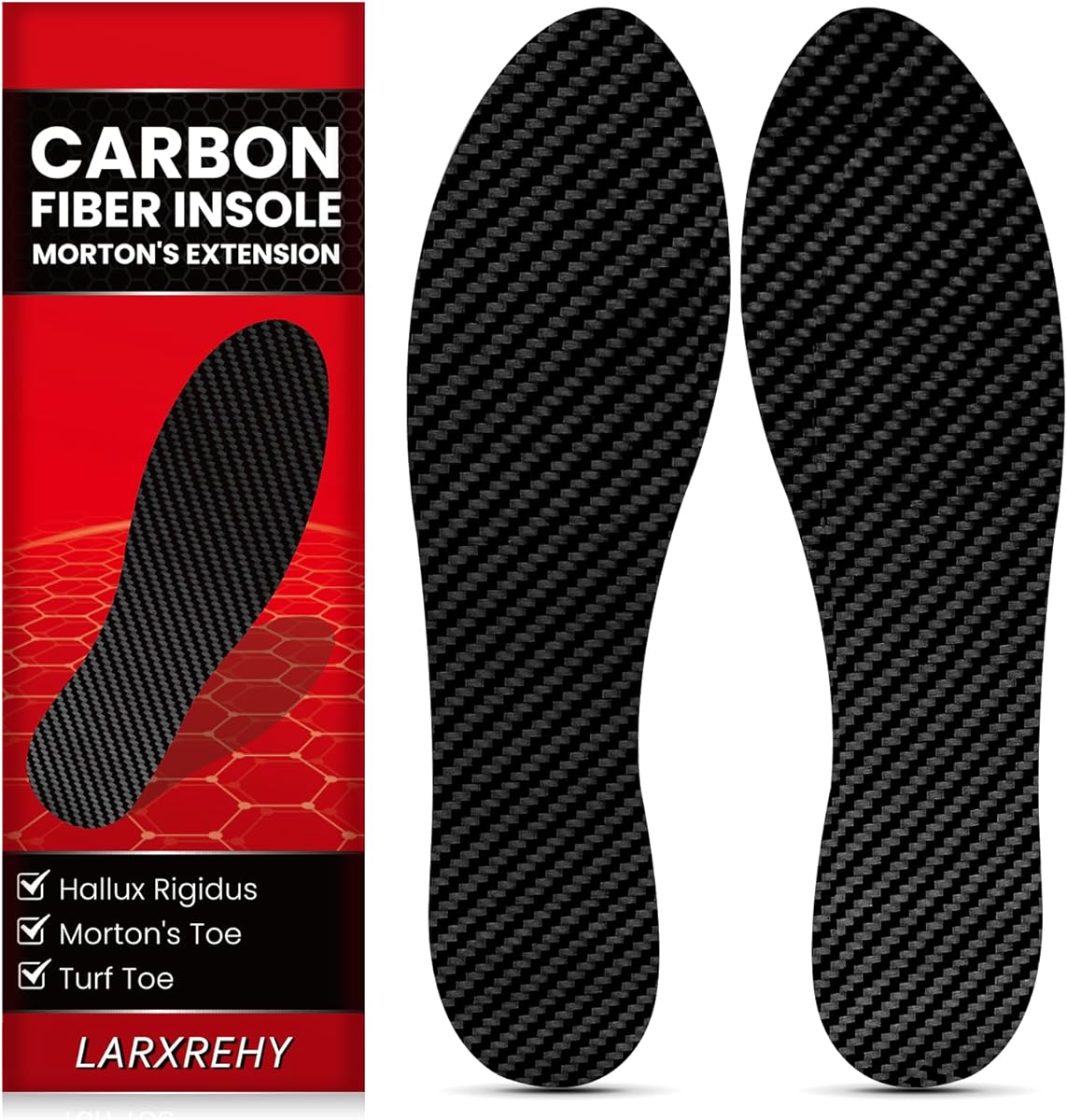
These 1.5mm thick carbon fiber insoles are designed for structural foot support, not cushioning. Their primary function is to create a rigid platform that limits toe joint movement, specifically targeting conditions like Morton's toe, turf toe, and hallux rigidus. Unlike flexible orthotics, this product acts as a partial alternative to a post-operative shoe by immobilizing the forefoot while allowing normal heel function.
Key Considerations Before Buying
- The 235mm length indicates this is a full-foot insert, not just a metatarsal pad, requiring shoes with sufficient volume to accommodate both the insole and your foot.
- Carbon fiber's complete rigidity means these won't conform to your foot over time; proper arch alignment at purchase is crucial for effective offloading.
- These are therapeutic devices for specific conditions—not general comfort insoles. Using them without a diagnosed need could cause secondary issues from altered gait mechanics.
What Our Analysts Recommend
For rigid carbon fiber plates, examine the edge finishing; rough edges can wear sock liners. The 1.5mm thickness is a key spec—thinner plates may flex under body weight, defeating their purpose. Quality indicators include consistent weave in the carbon fiber (visible at the edges) and a smooth, non-abrasive top surface to prevent skin irritation during extended wear.
Insoles Market Context
Market Overview
The rigid insole market has expanded beyond athletic performance plates to include therapeutic applications for foot pathologies. Products now target specific conditions with varying levels of rigidity, thickness, and coverage, moving away from one-size-fits-all solutions. Carbon fiber has become the material of choice for maximum stiffness-to-weight ratio in this category.
Common Issues
Consumers often mistake rigid plates for arch supports or cushioning insoles, leading to dissatisfaction. Another frequent problem is improper sizing—a plate that's too long or short can create pressure points rather than relieve them. Some cheaper composites flex over time, losing their therapeutic immobilization function.
Quality Indicators
Authentic carbon fiber maintains a distinct cross-weave pattern and produces a sharp, high-pitched 'ping' when tapped. High-quality therapeutic plates feature a slight rocker profile to facilitate roll-off during walking, and they use medical-grade adhesives or coatings on the top layer to prevent slippage within the shoe.
Review Authenticity Insights
Grade B Interpretation
A Grade B with an 11% estimated fake review rate suggests generally reliable feedback with moderate manipulation. For a niche medical-adjacent product like this, this level indicates organized efforts to boost visibility, but the majority of experiences are likely genuine user reports.
Trust Recommendation
Prioritize reviews that mention specific conditions (like 'hallux rigidus' or 'post-bunionectomy') and describe actual usage duration—these demonstrate authentic therapeutic use. Be slightly more skeptical of reviews that only mention generic 'foot pain' without connecting it to the product's stated purposes.
Tips for Reading Reviews
Focus on reviews discussing fit modifications—like trimming the plate or adding padding—as these reveal real-world adaptation. Pay particular attention to verified purchases mentioning the 235mm length, as this specific detail indicates hands-on experience rather than copied promotional text.
Expert Perspective
The 4.00 adjusted rating from largely authentic reviews suggests this product delivers on its core promise of providing rigid forefoot immobilization for specific pathologies. The consistent mention of its use as a 'post-op shoe alternative' in reviews aligns with its medical application, though it's not a complete replacement for physician-directed post-surgical footwear. The material choice—carbon fiber at 1.5mm—is appropriate for creating the necessary stiffness without adding significant weight or bulk, which is critical for daily wear.
Purchase Considerations
Consider whether your footwear can accommodate a full-length rigid plate; many athletic and casual shoes don't have removable insoles thick enough to replace. Consult with a healthcare provider about whether complete forefoot immobilization is appropriate for your specific condition, as some pathologies benefit from controlled motion rather than complete restriction.
Comparing Alternatives
Compare with fiberglass or thermoplastic rigid inserts, which may offer similar stiffness at different price points and sometimes allow for heat molding to better match individual foot contours.