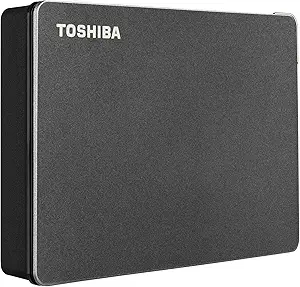
Evaluating 22TB External HDDs: Balancing Massive Capacity with Practical Performance
When considering the Seagate Expansion 22TB, you're evaluating a high-capacity mechanical hard drive, not a solid-state drive. This specific model uses USB 3.0 connectivity and includes Seagate's Rescue Data Recovery Services, which is a significant value-add for critical data storage. Buyers should understand this is optimized for archival storage and large media libraries rather than high-speed active workflows.
Key Considerations Before Buying
- The 22TB capacity represents near the current maximum for consumer external HDDs, making it ideal for consolidating multiple smaller drives or storing extensive 4K/8K video projects, but requires careful consideration of backup strategies due to single-point-of-failure risk.
- USB 3.0 provides adequate bandwidth for this HDD's mechanical limitations (typically 150-220MB/s sequential speeds), but won't benefit from USB 3.2 Gen 2's higher speeds since the drive itself is the bottleneck.
- Seagate's included Rescue Data Recovery Services (typically a $100+ value) offers professional recovery attempts for drive failures, which is particularly valuable given the catastrophic data loss potential with 22TB of content.
What Our Analysts Recommend
For drives of this capacity, check reviews specifically mentioning sustained write performance over several hours, as some high-capacity HDDs experience thermal throttling. Look for mentions of the drive's noise level during operation, as 22TB drives often run warmer and louder than smaller capacities. Verify users report the Rescue Services registration process works smoothly, as this is a key differentiator.
External Hard Drives Market Context
Market Overview
The external HDD market is bifurcating between high-capacity, value-oriented mechanical drives like this Seagate Expansion and faster, more expensive SSDs. At 22TB, this product competes primarily with WD's Elements and My Book lines, with Seagate distinguishing itself through bundled recovery services. Pricing per terabyte typically decreases at these extreme capacities, but the absolute cost remains significant.
Common Issues
Large-capacity HDDs often face formatting challenges with older operating systems (NTFS is essential for Windows), and some users encounter compatibility issues with certain USB hubs or ports that can't deliver sufficient power. The physical size and weight of these drives (often requiring external power) makes them less portable than smaller externals.
Quality Indicators
For mechanical drives, consistent performance across the entire capacity (not just the first few terabytes) indicates good platter quality. Reviews mentioning low bad sector counts over long-term use and minimal seek noise suggest better manufacturing quality. Drives that maintain stable temperatures without aggressive fan cooling typically have better longevity.
Review Authenticity Insights
Grade B Interpretation
A Grade B with 11% estimated fake reviews indicates generally trustworthy feedback, though shoppers should be slightly more critical than with an A-grade product. The 0.26-point drop from the raw 4.56 to adjusted 4.30 rating suggests some inflated positive reviews were filtered, making the adjusted score more reliable for decision-making.
Trust Recommendation
Focus on reviews that mention specific use cases like Plex server expansion, video editing storage, or backup system implementation, as these demonstrate genuine usage. Be slightly skeptical of reviews that only praise the capacity number without discussing actual file transfer experiences or setup details.
Tips for Reading Reviews
Prioritize reviews discussing the Rescue Services registration or claims process, as fake reviews rarely include these operational details. Look for balanced reviews that mention both the convenience of massive capacity and the practical limitations of HDD speed compared to SSDs.
Expert Perspective
The Seagate Expansion 22TB presents a compelling proposition for users needing extreme capacity at a reasonable cost-per-terabyte, particularly with the included data recovery services adding meaningful protection. The 4.30 adjusted rating from over 4,600 reviews suggests strong user satisfaction, though the USB 3.0 interface (rather than USB-C) feels dated for a premium-capacity drive. This drive excels as a centralized backup target or media repository where transfer speed is secondary to capacity and reliability.
Purchase Considerations
Consider whether your workflow truly benefits from 22TB in a single volume versus multiple smaller drives that offer redundancy. Evaluate if the slower sequential speeds (compared to SSDs) will impact your specific use case, particularly if transferring hundreds of gigabytes regularly. The Rescue Services inclusion significantly reduces the risk profile, making this particularly suitable for irreplaceable data archives.
Comparing Alternatives
Shoppers should compare with WD's 22TB Elements drive (usually slightly cheaper but without recovery services) and consider whether multiple smaller NAS drives might offer better redundancy for similar total capacity.