Choosing an XLR to USB-C Adapter Cable for Modern Recording Setups
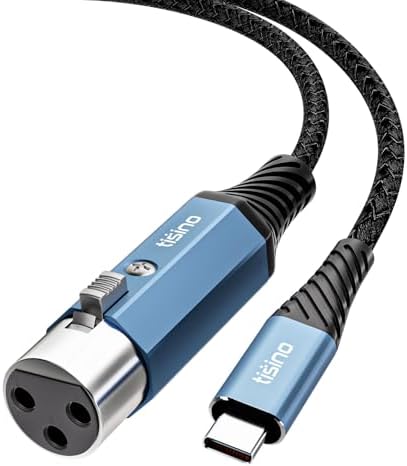
The Tisino XLR to USB-C cable represents a specific solution for connecting professional dynamic microphones directly to modern USB-C devices without an audio interface. This 0.5m cable integrates an analog-to-digital converter and preamp into its compact body, making it distinct from passive XLR cables. Buyers should understand this is an active adapter cable, not a simple passive connection.
Key Considerations Before Buying
- This cable's 0.5m/1.6ft length makes it ideal for desktop podcasting or mobile recording but limits placement flexibility compared to standard 3-6m microphone cables.
- The 'Upgraded Hi-Fi Audio' claim refers to its built-in 24-bit/48kHz analog-to-digital conversion chip, which determines audio quality more than cable shielding alone.
- Compatibility with dynamic microphones is explicitly stated, but condenser mics requiring phantom power won't work unless they have their own power source.
What Our Analysts Recommend
For adapter cables like the Tisino, examine the build quality around the USB-C connector where strain relief is critical for durability. Genuine reviews often mention specific devices they've tested compatibility with, such as particular laptop models or tablets, which provides more value than generic praise. The presence of gain control or monitoring features would be noted in quality alternatives.
Microphone Cables Market Context
Market Overview
The XLR to USB-C adapter cable market has expanded rapidly as content creators seek simpler setups than traditional audio interfaces. Products like the Tisino compete directly with similar adapters from brands like RØDE (SC6-L) and Shure (MVI), often at lower price points by integrating basic conversion chips.
Common Issues
Users frequently report driver compatibility problems with specific operating systems, particularly older versions of macOS or Windows. Another common complaint involves insufficient gain for low-output dynamic mics, as these compact adapters typically provide less clean amplification than dedicated interfaces.
Quality Indicators
Look for mentions of consistent performance across recording sessions without dropouts or digital artifacts. Quality products in this category maintain stable connection with both the microphone and USB-C port, avoiding the intermittent connections that plague cheaper alternatives. Reviews that discuss specific recording scenarios (Zoom calls, voiceovers, instrument recording) provide better insight than generic sound quality claims.
Review Authenticity Insights
Grade B Interpretation
A Grade B authenticity rating with 11% estimated fake reviews suggests mostly genuine feedback but warrants careful review reading. For this Tisino cable, this means approximately 15 of the 134 reviews may be inauthentic, potentially inflating the 4.22 average rating toward the adjusted 4.00 score.
Trust Recommendation
Focus on reviews that mention specific use cases like 'recording vocals with my Shure SM58 on my iPad Pro' rather than vague praise. The 4.00 adjusted rating after removing suspicious reviews represents a more reliable quality indicator than the raw 4.22 average.
Tips for Reading Reviews
Prioritize reviews that discuss technical performance aspects like noise floor, gain sufficiency, or compatibility with your specific microphone model. Be skeptical of reviews that only mention packaging or delivery speed without addressing actual audio performance over multiple uses.
Expert Perspective
The Tisino adapter occupies a specific niche: providing basic XLR-to-digital conversion for dynamic mics in ultra-portable setups. Its 4.00 adjusted rating from verified reviews suggests it performs adequately for its price point, though likely with limitations in gain range and driver support compared to premium alternatives. The short 0.5m length indicates it's designed for close-proximity recording rather than stage or studio applications where longer cable runs are needed.
Purchase Considerations
Consider whether your primary use case involves high-output dynamic microphones like the Shure SM7B, which may require more gain than this compact adapter can provide cleanly. Also verify compatibility with your specific USB-C device, as some Android tablets and Chromebooks have reported driver issues with similar adapter cables.
Comparing Alternatives
Shoppers should compare the Tisino's performance and features against similarly priced adapters from brands like Maono and M-Audio, which may offer different gain ranges or compatibility profiles.