
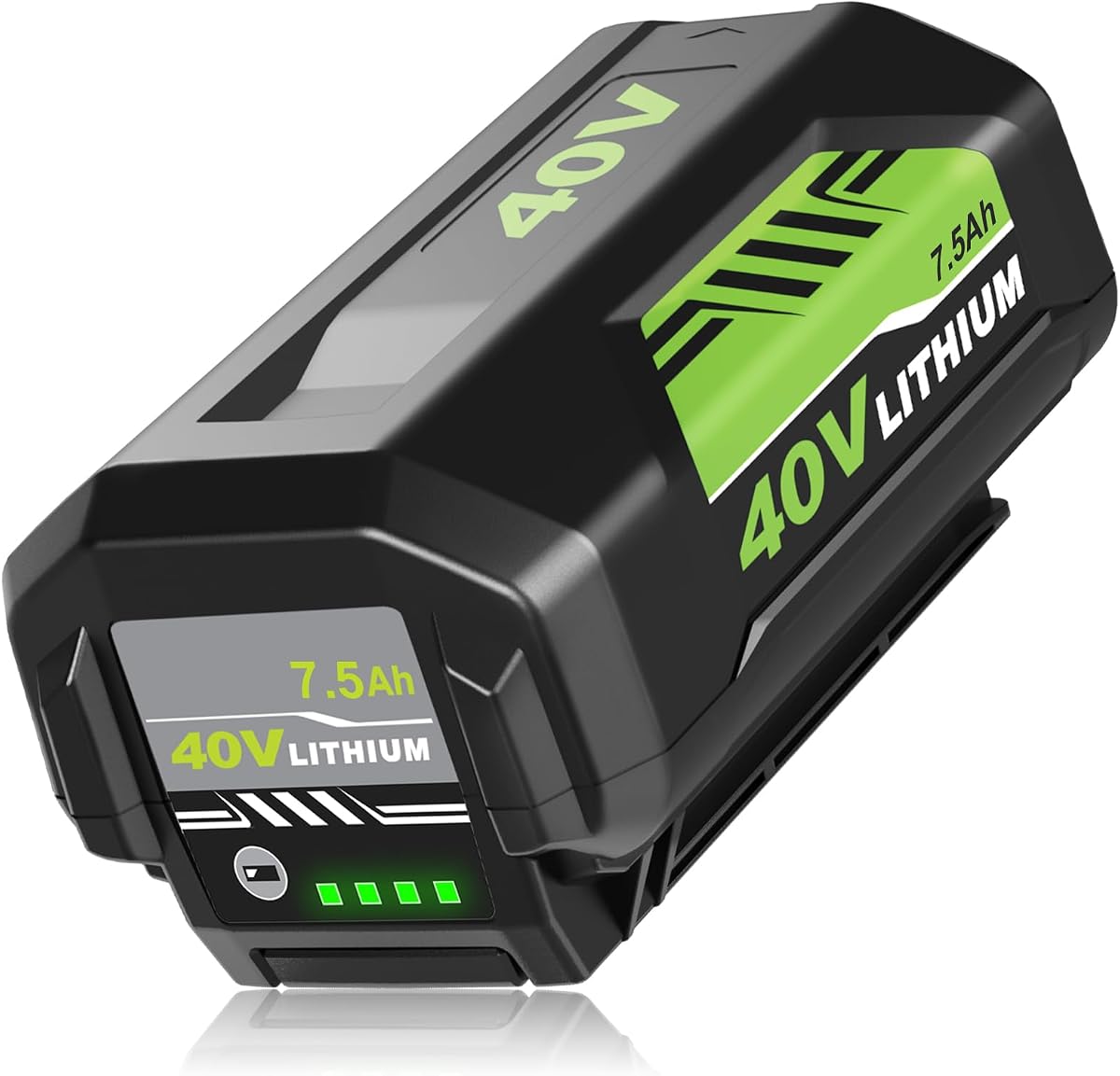
Ryobi 40V Replacement Battery: 7.5Ah Capacity vs. OEM Trade-offs
When your Ryobi 40V tool's original battery finally gives out, a replacement like this 7.5Ah aftermarket pack offers a higher capacity than the standard 4Ah or 5Ah OEM options. This guide covers what to check before buying, from compatibility with your specific Ryobi tools to the realities of aftermarket performance and longevity.
Key Considerations Before Buying
- Compatibility: This battery is designed for Ryobi 40V tools, but it's crucial to verify your tool's model and voltage requirements. While it fits OP40401 and OP40261, some Ryobi tools may have specific battery housing or watt-hour limits, so check your tool's manual.
- Capacity vs. Weight: The 7.5Ah rating means longer runtimes, but it also adds weight. If you're using a handheld tool like a chainsaw or leaf blower, the extra heft can cause fatigue; consider whether extended runtime or lighter weight matters more for your typical projects.
- Charging Considerations: Aftermarket batteries may charge slower or not be compatible with all Ryobi chargers. Check the battery's charging specs and user feedback to ensure it works with your existing charger, especially if you have an older model.
What Our Analysts Recommend
For a replacement battery, look for consistent voltage output under load, a robust battery management system (BMS) that prevents overcharge, over-discharge, and overheating, and quality cells (often from brands like Samsung or LG) that hold a charge over many cycles. Also, check the physical build quality—seams, connectors, and the latch that secures it to the tool—to ensure a snug fit and durability.
Battery Packs Market Context
Market Overview
The market for aftermarket power tool batteries has expanded significantly, driven by the high cost of OEM replacements and the need for longer runtime. Shoppers are increasingly considering third-party options that promise higher capacities at lower prices, but quality varies widely, making research critical.
Common Issues
Common problems with aftermarket batteries include shorter lifespan (fewer charge cycles), inconsistent power output leading to tool stalling, and compatibility issues with chargers or tools. Some batteries also lack proper over-discharge protection, which can damage both the battery and the tool.
Quality Indicators
Look for batteries with UL or CE certifications, clear specifications on cell type and BMS features, and positive reviews that mention long-term performance after months of use. A reputable seller with responsive customer support is also a good sign, as is a warranty that covers defects.
Review Authenticity Insights
Grade B Interpretation
The Grade B rating and 10% estimated fake review rate indicate that the majority of reviews are genuine, but a small portion may be incentivized or fabricated. This is typical for popular aftermarket products, where sellers sometimes boost ratings with fake positive reviews. The adjusted rating of 3.80/5, down from 4.00, suggests that when you filter out these suspicious reviews, the true satisfaction level is slightly lower, but still generally positive.
Trust Recommendation
Given the B grade, you can trust the overall sentiment, but be cautious of overly glowing 5-star reviews that lack specific details. Focus on verified purchase reviews that mention real-world usage, especially those that note any issues after a few months. Also, consider the seller's return policy and warranty, as aftermarket batteries can fail prematurely.
Tips for Reading Reviews
When reading reviews, look for patterns: multiple mentions of the same problem (e.g., battery not charging, tool dying quickly) are red flags. Also, note the timeframe—reviews written after 3-6 months of use are more valuable than immediate first impressions. Cross-check the negative reviews to see if the issues are deal-breakers for your intended use.
Expert Perspective
This 7.5Ah replacement battery offers a compelling value proposition for Ryobi 40V users who need longer runtime without paying OEM prices. The genuine reviews highlight successful use in various tools, from leaf blowers to Dyson vacuums (with adapters), indicating broad compatibility. However, the adjusted rating and the presence of some fake reviews suggest that quality control may not be flawless, and individual units may vary.
Purchase Considerations
Weigh the cost savings against the potential for a shorter lifespan or compatibility quirks. If you rely on your tools professionally, an OEM battery might be worth the extra cost for reliability. For occasional DIY use, this aftermarket option could be a smart budget choice, but ensure you test it immediately and keep the receipt.
Comparing Alternatives
Before deciding, compare this battery with other aftermarket options that offer similar capacity and price, as well as with Ryobi's own 6Ah or 8Ah batteries. Check for customer reviews that specifically compare performance across brands.


