What to Know Before Buying a Japanese Floor Futon
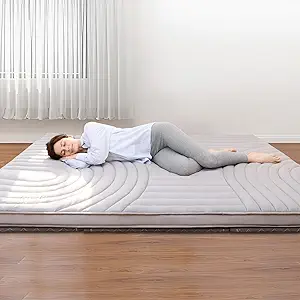
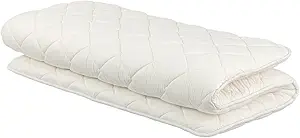
A Japanese floor futon like this 6th-generation, 9-layer queen model offers a space-saving sleep solution, but its tri-fold design and all-foam construction behave differently from a traditional mattress. Understanding thickness, firmness, and storage needs is key before you buy.
Key Considerations Before Buying
- Thickness and layer count directly affect comfort: this futon's 9 layers and high-density foam provide more cushioning than thin 3- or 4-layer versions, but it will still feel firmer than a conventional pillow-top mattress.
- Floor type matters: on hard floors, the extra thickness helps, but on carpet, the futon may slide; consider a rug pad or non-slip mat to keep it stable.
- Storage and daily use: the tri-fold design allows for easy storage in a closet or under a bed, but frequent folding can cause creases over time, so rotate and air it out regularly.
What Our Analysts Recommend
Check the foam density and layer construction—high-density foam resists sagging better than low-density alternatives. Also verify the cover material: removable, washable covers are a practical bonus for long-term hygiene. Finally, confirm the dimensions match your space, as queen-size floor futons require significant floor area.
Futon Mattresses Market Context
Market Overview
Japanese floor futons have gained popularity in the U.S. as versatile, space-saving alternatives for guest rooms, dorms, and small apartments. The market now includes everything from traditional cotton shikibuton to modern all-foam versions like this 9-layer model, with prices ranging from budget to premium.
Common Issues
A frequent complaint is that floor futons feel too firm or thin, especially for side sleepers or those with joint pain. Another issue is mold and mildew if the futon is not aired out regularly, as body moisture can get trapped in the layers. Some users also find that cheaper futons flatten quickly, losing their supportive qualities within months.
Quality Indicators
High-density foam and multiple layers are strong indicators of durability and comfort. A removable, washable cover is a sign of thoughtful design. Look for reviews that mention long-term use (6+ months) to gauge how well the futon holds up, and check for any mentions of odor or off-gassing, which can be a problem with some foam products.
Review Authenticity Insights
Grade A Interpretation
With an adjusted rating of 4.60/5 and an estimated fake review rate of just 8%, this product's reviews are highly trustworthy. The Grade A authenticity score means the overwhelming majority of feedback comes from genuine customers, so you can rely on the detailed experiences shared.
Trust Recommendation
You can feel confident basing your purchase decision on these reviews. The high volume (948 ratings) and low fake percentage suggest that patterns in the feedback—such as comments on firmness or durability—are likely accurate reflections of the product.
Tips for Reading Reviews
Focus on reviews that describe specific use cases, like sleeping on the floor long-term or using it for guests. Pay attention to comments about firmness and thickness, as these are subjective but critical. Also look for mentions of how the futon performs after several months, as initial comfort may change.
Expert Perspective
This 6th-generation Japanese floor futon stands out for its 9-layer, high-density foam construction, which addresses the common complaint of thinness in traditional futons. The strong review profile (4.78/5 from 948 ratings) and high authenticity grade indicate a reliable product. However, it's still a floor mattress, so it will feel firmer than a conventional bed, which may not suit everyone.
Purchase Considerations
Consider your sleeping style and floor type: back and stomach sleepers may find it comfortable, while side sleepers might need extra cushioning. Also think about storage space and whether you're willing to air it out regularly to prevent moisture buildup. If you need a permanent bed, a traditional mattress might be better.
Comparing Alternatives
Compare with other Japanese futons that offer different thicknesses or materials, such as cotton or latex, to find the best match for your comfort preferences and budget.