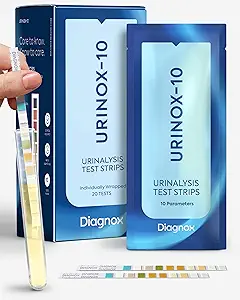
Home UTI & Blood Test Strips for Pets: Know What to Look For
If you're considering the 14-Parameter Dog & Cat UTI & Blood Test Strips for at-home monitoring, it's crucial to understand that these strips are designed for screening, not diagnosis. They offer a broad panel—including ketones, protein, glucose, and blood—to help you track your pet's urinary health between vet visits, but accuracy and ease of use vary widely among home test kits.
Key Considerations Before Buying
- Reading time and color matching: These strips require precise timing (e.g., 30-60 seconds per parameter) and a color chart that can be subjective; poor lighting or color vision issues may lead to inaccurate results.
- Storage and shelf life: The 100-count pack must be stored in a cool, dry place with the lid tightly sealed; moisture or heat can degrade the test pads, causing false readings, so check the expiration date before each use.
- Species-specific interpretation: While marketed for both dogs and cats, urine pH and protein levels differ naturally between species; consult your vet to understand what's normal for your pet's breed, age, and health status.
What Our Analysts Recommend
Look for strips that include a clear, large-print color chart and detailed instructions for each parameter. Quality indicators include individually foil-wrapped strips (to protect against humidity) and a manufacturer that provides specific normal ranges for both dogs and cats, as these differ from human ranges.
Ketone Test Strips Market Context
Market Overview
The market for pet home urinalysis test strips has grown rapidly as owners seek early detection of UTIs, kidney issues, and diabetes in their pets. Most products are adapted from human test strips, leading to variability in sensitivity and species-specific calibration.
Common Issues
Common issues include inconsistent color development across different batches, difficulty reading subtle color changes for parameters like ketones or bilirubin, and false positives due to contamination (e.g., litter box debris). Many users also report that the strips are less reliable for cats due to concentrated urine.
Quality Indicators
High-quality strips often come with a multi-parameter reference guide, a control solution for validation, and positive user reviews that describe consistent results when compared to vet lab tests. Look for brands that provide clear expiration dates and lot numbers for traceability.
Review Authenticity Insights
Grade B Interpretation
With a Grade B and an estimated 10% fake review rate, this product's reviews are mostly authentic but include some suspicious entries. This means you can generally trust the user feedback, but be cautious of overly positive or vague reviews that lack specific details about the pet's condition or test results.
Trust Recommendation
Focus on verified purchase reviews that describe specific experiences, such as comparing strip results to vet diagnostics. The 3.44-star rating (adjusted to 3.30) suggests mixed satisfaction—some users find them helpful for monitoring, while others report inaccuracies. Use the reviews to identify common pitfalls, like strips not working for certain breeds or parameters.
Tips for Reading Reviews
When reading reviews, look for mentions of the specific parameters tested (e.g., 'the ketone pad changed color but the vet said it was fine') and whether the user confirmed results with a vet. Be wary of one-time reviewers or those who only praise the price without discussing accuracy.
Expert Perspective
This 14-parameter strip offers a comprehensive at-home screening panel, which is valuable for proactive pet health monitoring, especially for chronic conditions like diabetes or recurrent UTIs. However, the 3.30 adjusted rating and 10% fake review rate indicate inconsistent performance across users, likely due to subjective color reading and species-specific variations. The strips may be best used as a trend-tracking tool rather than a definitive diagnostic, with periodic vet confirmation.
Purchase Considerations
Consider whether you need all 14 parameters—many pet owners primarily use 4-5 key ones (pH, protein, glucose, blood, specific gravity). If your pet has a known condition, these strips can help you track changes between vet visits, but don't rely on them for emergency decisions. The 100-count pack is cost-effective for frequent testing, but ensure you'll use them before the expiration date.
Comparing Alternatives
Shoppers should compare this kit with single-parameter or fewer-parameter strips that may offer higher accuracy for specific concerns, as well as vet-grade dipsticks that provide more reliable results for clinical decision-making.