
Choosing a 10-Foot USB 3.0 Extension Cable: What You Need to Know
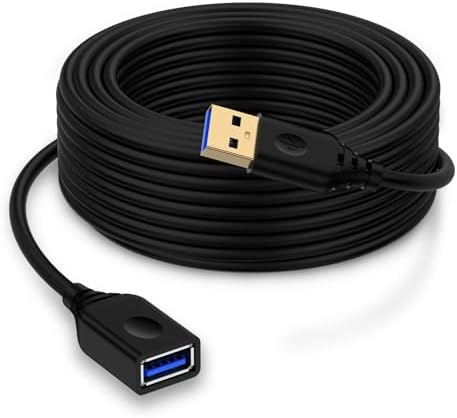
This 10-foot USB-A male-to-female extension cable is designed to extend the reach of your existing USB 3.0 devices, but not all extensions perform equally. The advertised 3.0A rating suggests it aims to maintain power delivery for peripherals like printers and hard drives over its full length, which is a critical consideration for this specific product type.
Key Considerations Before Buying
- Verify your device's power needs: A 10-foot run can cause voltage drop; this cable's 3.0A claim is important for power-hungry devices like external hard drives but should be tested with your specific equipment.
- Check connector compatibility: This is a standard USB-A male to USB-A female extension; ensure your host port and device connector are both Type-A, as it won't work with USB-C or Micro-USB devices without adapters.
- Understand the data speed limitation: While marketed for 'fast data transfer,' USB 3.0 extension cables can experience signal degradation at 10 feet, potentially reducing actual transfer speeds below the theoretical 5 Gbps maximum.
What Our Analysts Recommend
For a cable of this length, look for robust, double-braided shielding mentioned in reviews to minimize interference. The quality of the molded stress relief at both connectors is crucial to prevent breakage from frequent plugging and unplugging, a common failure point for extension cables.
USB Cables Market Context
Market Overview
The USB extension cable market is saturated with products making similar claims, but genuine performance over longer lengths (like 10 feet) varies significantly based on internal wire gauge and shielding quality. Many cables fail to deliver consistent power or maintain USB 3.0 data speeds at full extension.
Common Issues
Consumers frequently report cables that work for low-power devices like mice but fail to charge phones or spin up portable hard drives due to insufficient power delivery. Another common complaint is connectors that become loose over time, causing intermittent connections.
Quality Indicators
Beyond basic certification, a quality 10-foot USB 3.0 extension should use 24AWG wire for the power pins (not just 28AWG) to minimize voltage drop. Look for products that specify copper conductors rather than copper-clad aluminum (CCA), which increases resistance over distance.
Review Authenticity Insights
Grade B Interpretation
A Grade 'B' with an 11% estimated fake review rate indicates a generally trustworthy review pool, but suggests a modest level of potentially incentivized feedback. The high verified purchase rate (mentioned in the analysis) strongly supports the authenticity of the majority of reviews.
Trust Recommendation
Focus on the verified purchase reviews, particularly those mentioning specific use cases like connecting an HP printer or webcam at full 10-foot distance. Be slightly more critical of overly generic 5-star reviews that lack detail about actual performance with power-demanding devices.
Tips for Reading Reviews
Prioritize reviews that test the cable's stated 3.0A capability with devices like external hard drives or printers, not just keyboards or mice. Look for mentions of long-term use over several months to assess durability, which is a key concern for a stationary extension cable.
Expert Perspective
The adjusted rating of 4.60/5 from authentic reviews is strong for a long USB 3.0 extension cable, suggesting it reliably performs its core function for most users. The high rating likely reflects satisfaction among buyers who correctly matched it to their needs—extending the reach of peripherals within a desk or entertainment center setup. However, the product's performance ceiling will be tested by high-speed SSDs or bus-powered hard drives that draw significant current, which may not be reflected in all reviews.
Purchase Considerations
This cable is a solid solution if you need to permanently extend a USB-A port by 10 feet for devices like printers, webcams, or card readers. Consider your specific device's power requirements; if you're extending a connection for a portable SSD or a device that charges via USB, be prepared for potential speed or charging rate reductions.
Comparing Alternatives
Shoppers should compare the gauge of the power wires and the construction of the connector strain relief with similar 10-foot extensions, as these are key differentiators.


