How to Choose a Sunrise Alarm Clock That Actually Wakes You
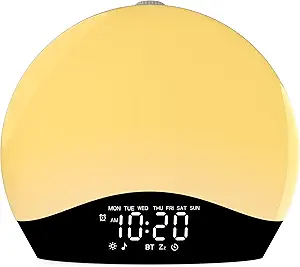
A sunrise alarm clock like this one simulates dawn with gradually brightening light, helping heavy sleepers wake more naturally. With dual alarms, sunset simulation, natural sounds, FM radio, and seven night-light colors, it's a multi-feature device—but not all sunrise clocks deliver the same quality of light or ease of use.
Key Considerations Before Buying
- Light intensity and color temperature: Look for a clock that reaches at least 300 lux and shifts from deep red to warm yellow to bright white, mimicking a real sunrise. Weak or oddly tinted light won't effectively rouse heavy sleepers.
- Alarm sound options and volume range: Natural sounds (birds, waves) and FM radio are common, but ensure the volume can go loud enough for deep sleepers. Check if you can customize the sound for each alarm.
- Ease of programming and display dimming: A complicated interface can ruin the experience. Seek intuitive buttons and a display that dims fully for dark bedrooms. Dual alarms are essential for couples or weekday/weekend schedules.
What Our Analysts Recommend
Prioritize models with a gradual sunrise duration of 30 minutes, as abrupt light jumps can be jarring. Check for a sunset simulation that fades over 15–60 minutes to aid sleep. Build quality matters: flimsy buttons and poor speaker quality are common complaints in budget sunrise clocks.
Clock Radios Market Context
Market Overview
Sunrise alarm clocks have surged in popularity as people seek alternatives to harsh phone alarms and aim to reduce screen time before bed. The market ranges from basic $30 models to premium $200+ devices with smart home integration. This product sits in the mid-range, offering a broad feature set at a competitive price.
Common Issues
Many budget sunrise clocks suffer from dim or uneven light that fails to wake heavy sleepers, confusing menus, and alarms that don't reliably trigger. Some users report that the FM radio has poor reception or that the natural sounds loop noticeably. Durability is another concern, with buttons or displays failing after a year.
Quality Indicators
A quality sunrise clock will have a smooth, gradual light ramp, consistent alarm performance, and a clear, dimmable display. Look for reviews that mention the light's brightness and the ease of setting alarms. Certifications like FCC and Energy Star can indicate reliability, though they're not guarantees.
Review Authenticity Insights
Grade B Interpretation
A Grade B authenticity rating means the majority of reviews are genuine, but about 15% show signs of potential manipulation—likely a mix of incentivized reviews and a few fakes. This is fairly typical for mid-range electronics, but it means you should weigh the adjusted rating of 3.50 more heavily than the 3.78 average.
Trust Recommendation
Trust the adjusted rating of 3.50 as a more realistic indicator of satisfaction. Focus on reviews from verified purchasers that describe long-term use (3+ months) and specific pros and cons. Be cautious of reviews that only praise the product without mentioning any drawbacks.
Tips for Reading Reviews
When reading reviews for sunrise alarm clocks, look for comments on light brightness, alarm reliability, and sound quality—these are the most common pain points. Reviews that mention how the clock helped reduce phone use or wake up easier are likely genuine. Filter by 'Verified Purchase' and sort by 'Most Recent' to get the latest feedback.
Expert Perspective
This sunrise alarm clock offers a comprehensive feature set—sunrise/sunset simulation, dual alarms, natural sounds, FM radio, and a color night light—at a mid-range price. However, the adjusted rating of 3.50 suggests that while many users find it effective, a notable minority experience issues like insufficient brightness or confusing controls. It's a solid option for those new to sunrise alarms, but heavy sleepers may need to verify the light intensity meets their needs.
Purchase Considerations
Before buying, consider your wake-up habits: if you're an extremely heavy sleeper, you may need a brighter model or one with a backup audible alarm. Check the return policy in case the light isn't strong enough. Also, assess whether you'll use the FM radio and night light features—if not, a simpler model could save money.
Comparing Alternatives
Shoppers should compare this with other sunrise alarms that have higher light output (e.g., 500+ lux) or smart features like app control. Brands like Philips and Lumie are often cited for superior light quality, but they come at a higher price.