
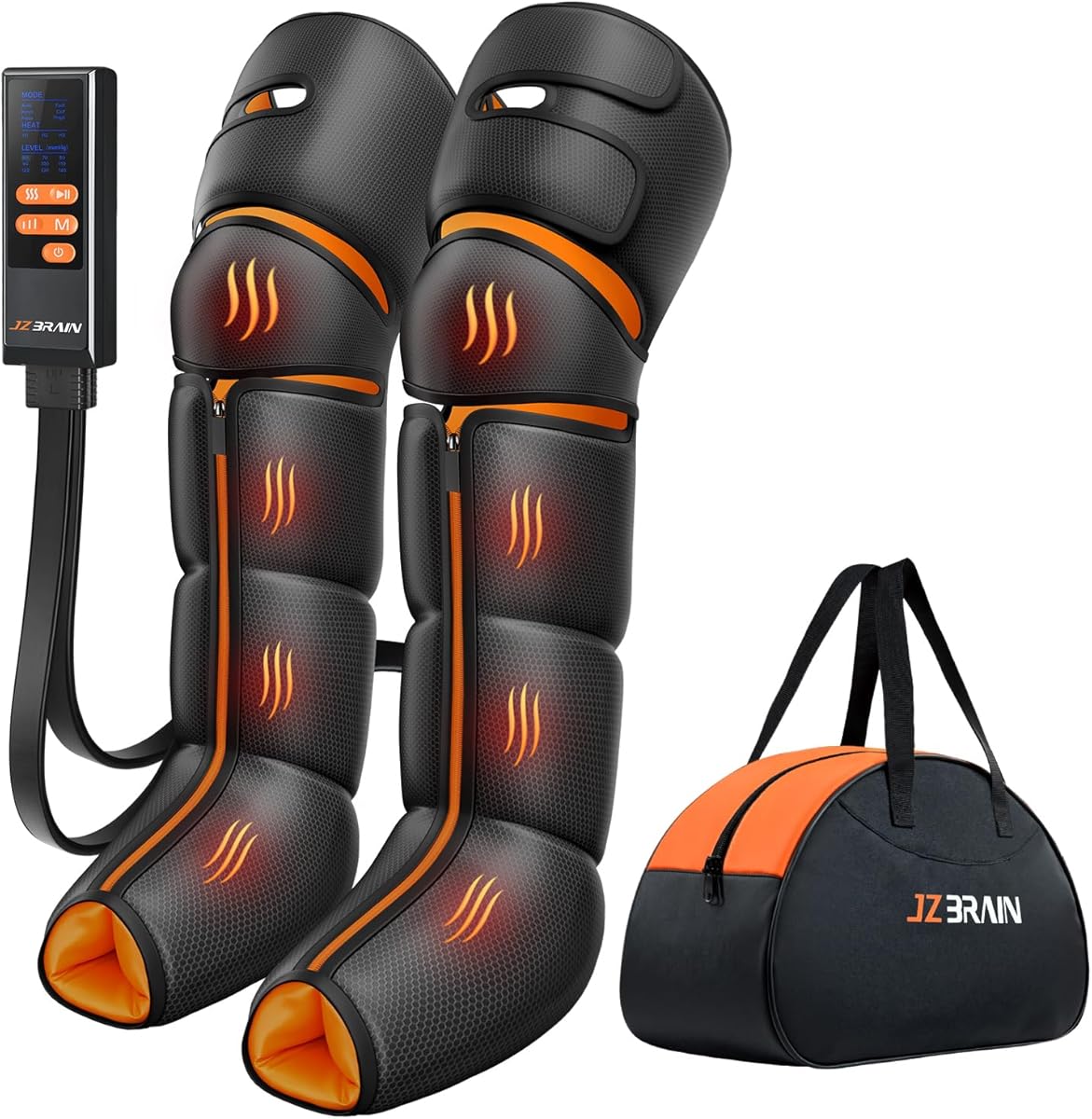
Evaluating Sequential Compression Boots: Heat, Intensity, and Medical Claims
When considering sequential compression devices like this leg massager with 6 modes and 3 heat settings, buyers should understand these products straddle the line between wellness accessories and medical devices. The FSA/HSA eligibility mentioned in the title suggests therapeutic applications, but consumers must distinguish between general circulation support and actual medical-grade pneumatic compression.
Key Considerations Before Buying
- Sequential compression quality depends on chamber design and pressure gradient—not just mode count—with true sequential compression moving systematically from ankle to thigh rather than applying uniform pressure.
- Heat settings (3 levels here) should be evaluated for actual temperature range and distribution, as therapeutic heat typically requires 104-113°F for muscle relaxation versus surface warmth.
- Intensity levels (9 here) matter less than the actual pressure range measured in mmHg, with 30-50mmHg being typical for circulation versus higher pressures for lymphedema management.
What Our Analysts Recommend
Quality indicators include chamber segmentation that follows anatomical lines, adjustable sizing for proper fit (not one-size-fits-all), and clear pressure specifications. Genuine sequential compression should have noticeable pressure wave progression, not just inflation/deflation cycles.
Market Context
Market Overview
The compression therapy market has expanded from clinical devices to consumer products, creating confusion about efficacy standards. Products like these leg massagers compete with both FDA-cleared medical devices and general wellness products, with significant price and capability differences.
Common Issues
Consumer compression devices often lack proper pressure calibration, use inferior materials that degrade quickly, and make exaggerated circulation claims without clinical validation. Fit problems are frequent with non-adjustable sleeves.
Quality Indicators
Look for transparent pressure specifications in mmHg, medical-grade connectors and tubing, and chamber design that follows venous return pathways. Reputable manufacturers provide sizing guides and clear intended use statements.
Review Authenticity Insights
Grade F Interpretation
The Grade F authenticity rating with 85% estimated fake reviews indicates this product's 5-star rating is essentially meaningless. The dramatic drop from 5.0 to 2.9 when suspicious reviews are excluded reveals systematic manipulation rather than organic customer satisfaction.
Trust Recommendation
Disregard the perfect rating entirely and focus on the adjusted 2.9 score as your baseline. Given the manipulation patterns, assume any positive claims about long-term durability or medical efficacy are particularly suspect.
Tips for Reading Reviews
For this product category, prioritize reviews discussing specific pressure sensations, heat distribution patterns, and material durability over time. Be skeptical of reviews emphasizing gift suitability or using identical phrasing about 'circulation improvement.'
Expert Perspective
This product presents significant credibility concerns given the review manipulation evidence. While sequential compression boots can provide legitimate circulation benefits, the authenticity issues suggest the manufacturer may be prioritizing marketing over product quality. The 6 modes and 9 intensity levels sound impressive but could indicate complexity over effectiveness—quality compression therapy often requires fewer, well-calibrated settings rather than numerous options.
Purchase Considerations
Weigh the FSA/HSA eligibility against the authenticity red flags—these accounts may be accurate but don't guarantee therapeutic value. Consider whether you need true sequential compression for medical reasons or general massage for comfort, as this distinction affects appropriate alternatives.
Comparing Alternatives
Compare pressure specifications, chamber design, and material quality with clinically validated brands before purchasing any compression device.


