Choosing a beginner silicone kit: Platinum cure vs. tin cure for food-safe projects
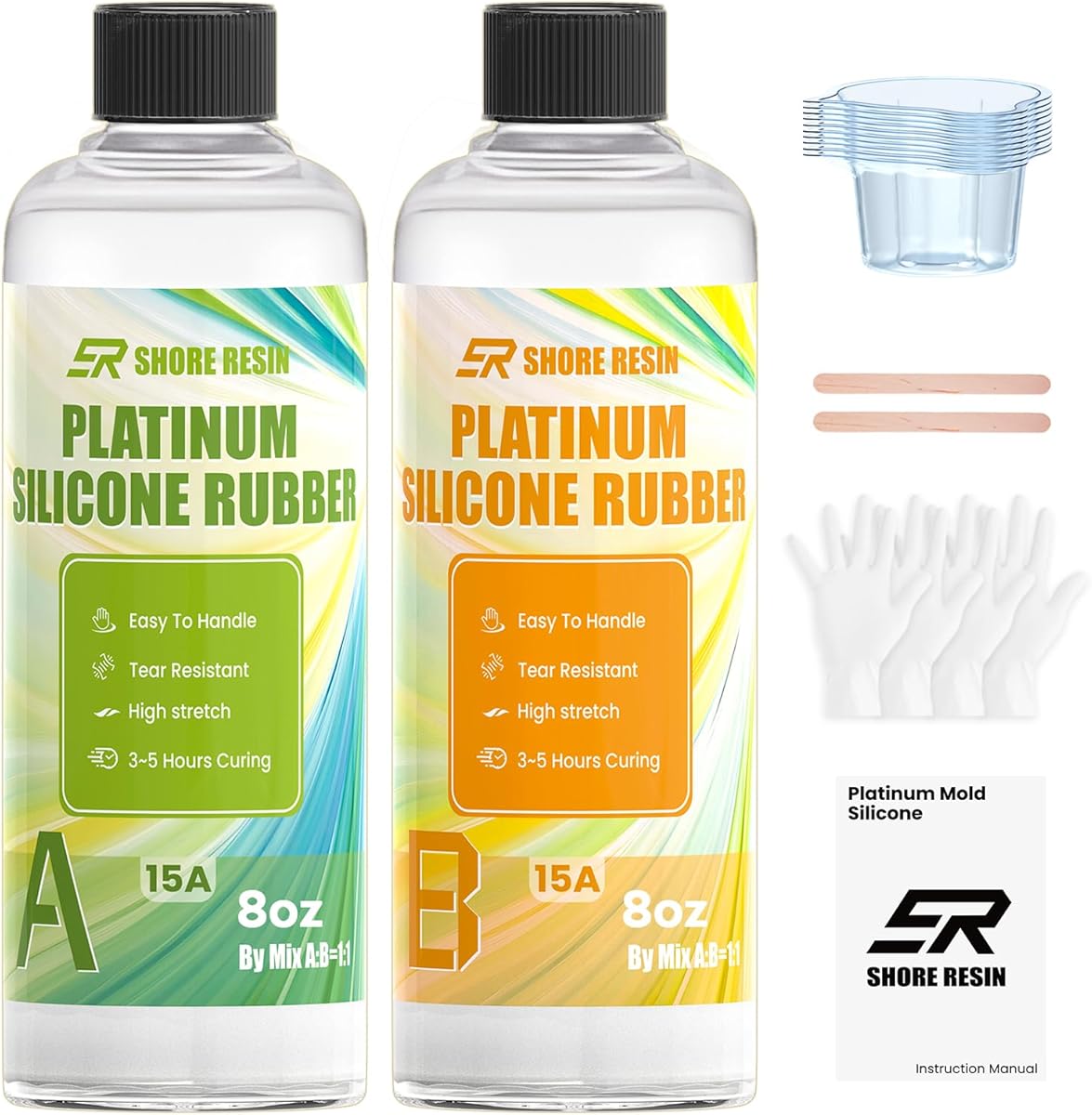
This 16oz platinum cure kit represents a specific entry point for DIY mold making, distinct from industrial or tin-cure alternatives. Its 1:1 mixing ratio simplifies the process for beginners, while the food-safe certification opens possibilities beyond resin casting to soap and candle making. Understanding its bubble-free claim requires knowing proper degassing techniques versus vacuum chambers.
Key Considerations Before Buying
- Platinum-cure silicone, like in this kit, offers superior tear strength and minimal shrinkage for capturing fine details in resin or soap masters, but is susceptible to inhibition from sulfur-based clays or certain 3D printing resins.
- The 1:1 mix-by-weight or volume ratio reduces measurement errors for novices, but achieving truly 'bubble-free' results without a vacuum pump depends heavily on careful pouring and potentially using a vibration table.
- Food-safe certification (FDA compliant) is crucial if casting soap or candles, but verify it covers your intended material's curing temperature and doesn't degrade with repeated use.
What Our Analysts Recommend
For a beginner kit, prioritize clear instructions on calculating mold volume to avoid wasting the 16oz total. Quality platinum silicone should have a workable pot life (typically 30-45 minutes) and a demold time under 24 hours. Check that the kit includes mixing cups and sticks, as their absence adds hidden cost.
Molding & Casting Market Context
Market Overview
The mold-making silicone market is segmented by cure type (platinum vs. tin), viscosity, and intended use, with beginner kits often sacrificing volume for perceived simplicity. This product competes directly with other 1:1 mix, 'bubble-free' marketed kits, where the primary differentiator is often the platinum formulation's durability.
Common Issues
Beginners frequently underestimate the silicone volume needed for a block mold, leading to incomplete coverage. Inhibition failures, where silicone refuses to cure due to contaminant transfer from the master model, are a frequent point of frustration with platinum silicones not mentioned in marketing.
Quality Indicators
High-quality silicone has consistent viscosity between parts A and B and cures to a uniform, non-tacky finish. Reputable suppliers provide technical datasheets detailing Shore hardness (A measure of flexibility), pot life, and cure time—absence of this data suggests a consumer-grade product with variable performance.
Review Authenticity Insights
Grade B Interpretation
A 'B' grade with an 11% estimated fake review rate indicates a generally trustworthy review pool, but suggests a modest level of incentivized reviews, common for crafting products. The adjusted rating of 4.60/5 from 4.89/5 shows that while praise is genuine, the top score is slightly inflated.
Trust Recommendation
Focus on verified purchase reviews that detail specific projects like soap mold creation or capturing texture from a particular object. Be slightly skeptical of reviews only praising 'easy use' without mentioning what they cast; look for those discussing demolding success or inhibition issues for authentic insights.
Tips for Reading Reviews
Prioritize reviews that mention the product's performance with a specific material (e.g., 'used for epoxy resin coasters' or 'made a mold for melt-and-pour soap'). Reviews discussing the actual yield of the 16oz kit or comparing its clarity and flexibility to other brands offer higher-value verification.
Expert Perspective
This kit's high adjusted rating (4.60) from a largely authentic review pool suggests it reliably delivers on its core promise: a functional, beginner-friendly platinum silicone. The specific praise for its food-safe application in soap making, noted in several reviews, is a strong, credible endorsement. However, the 'bubble-free' claim should be interpreted as 'low-bubble' with manual pouring, a common industry nuance. For a 16oz kit, the value hinges on whether the user's master models are small and numerous or a few medium-sized items.
Purchase Considerations
This is a strong choice for a first-time user wanting to make food-contact molds or highly detailed resin molds, provided their master models are known to be platinum-safe. Consider your total project volume; 16oz makes approximately one medium block mold or several small piece molds. If your projects involve uncertain materials (like certain clays or woods), a tin-cure silicone, though not food-safe, may be a less risky alternative.
Comparing Alternatives
Shoppers should compare the cost per ounce and Shore hardness with similar platinum-cure kits, as flexibility needs vary between rigid resin casts and flexible soap removal.