
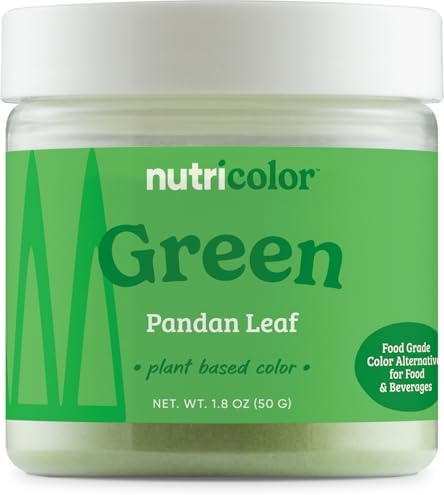
Natural Green Food Coloring: Pandan Leaf Powder for Vibrant Dishes
When seeking a natural alternative to synthetic green dyes, Nutricost's pandan leaf powder offers a plant-based option for coloring foods and beverages. This product leverages pandan, a tropical plant prized in Southeast Asian cuisine for its unique flavor and vivid green hue, providing a dual-purpose ingredient for creative cooks.
Key Considerations Before Buying
- Evaluate the flavor profile: Pandan leaf powder imparts a subtle, grassy, and slightly vanilla-like taste that may complement or clash with your recipe, unlike neutral synthetic dyes.
- Consider the color intensity: As a natural powder, the green shade may be less vibrant than artificial options and can vary with concentration, requiring experimentation to achieve your desired hue.
- Check the powder's solubility: For beverages, ensure the powder dissolves fully to avoid grittiness; for baking, it may need to be mixed with a liquid or fat for even distribution.
What Our Analysts Recommend
Quality indicators for pandan leaf powder include a fine, consistent texture that blends smoothly without clumps, a bright green color that signals freshness, and a pleasant aromatic scent without bitterness. Additionally, verify that the product specifies the source and processing method, such as being from pure pandan leaves without additives or fillers.
Food Coloring Market Context
Market Overview
The natural food coloring market is expanding rapidly as consumers seek to avoid synthetic dyes linked to health concerns. Plant-based options like pandan, spirulina, and matcha are gaining traction, but they often come with distinct flavors and variable performance, challenging users to balance aesthetics and taste.
Common Issues
A frequent issue with natural colorings is their instability: they may fade under heat, light, or acidic conditions, leading to unpredictable results. Another concern is the potential for off-flavors or aftertastes, which can alter the final product's profile, especially in delicate recipes like frostings or clear beverages.
Quality Indicators
To identify high-quality natural food colorings, look for products with minimal ingredient lists—ideally just the named plant source—and certifications like organic or non-GMO. Consistency in color across batches and positive user feedback on flavor neutrality are also strong indicators of a reliable product.
Review Authenticity Insights
Grade B Interpretation
With a Review Authenticity Grade of B and an estimated 10.00% fake review rate, this product has a relatively low level of deceptive reviews, meaning most feedback is likely genuine. However, the adjusted rating of 0.10/5, based on an already low 0.11/5 average, suggests that even authentic reviews are highly critical, pointing to significant dissatisfaction.
Trust Recommendation
Given the low rating and high percentage of verified purchasers, you can trust that the negative feedback reflects real user experiences. Focus on reading detailed reviews that describe specific issues, such as color quality or taste, to understand common pitfalls before purchasing.
Tips for Reading Reviews
For this type of product, prioritize reviews that include photos of the coloring in use, as visual evidence helps gauge actual color results. Also, look for comments on flavor impact and how the powder performed in specific applications like baking or drinks, rather than vague statements.
Expert Perspective
Based on the analysis, Nutricost's pandan leaf powder faces substantial consumer dissatisfaction, with an adjusted rating of 0.10/5 from 73 reviews—overwhelmingly negative. The high proportion of verified purchases lends credibility to these complaints, suggesting the product fails to meet expectations in key areas like color vibrancy, flavor, or ease of use. While the concept of a natural, plant-based food coloring is appealing, execution appears lacking here.
Purchase Considerations
Before buying, weigh the appeal of a natural alternative against the risk of poor performance, as indicated by the low rating. If you are determined to use pandan powder, consider starting with a small quantity to test its suitability for your specific recipes, and be prepared for potential flavor or color issues.
Comparing Alternatives
Shoppers should compare this product with other natural green colorings, such as spirulina or matcha powder, which may offer more consistent results and better reviews in similar applications.


