How a Calibrated Spring Tamper Transforms Home Espresso Consistency
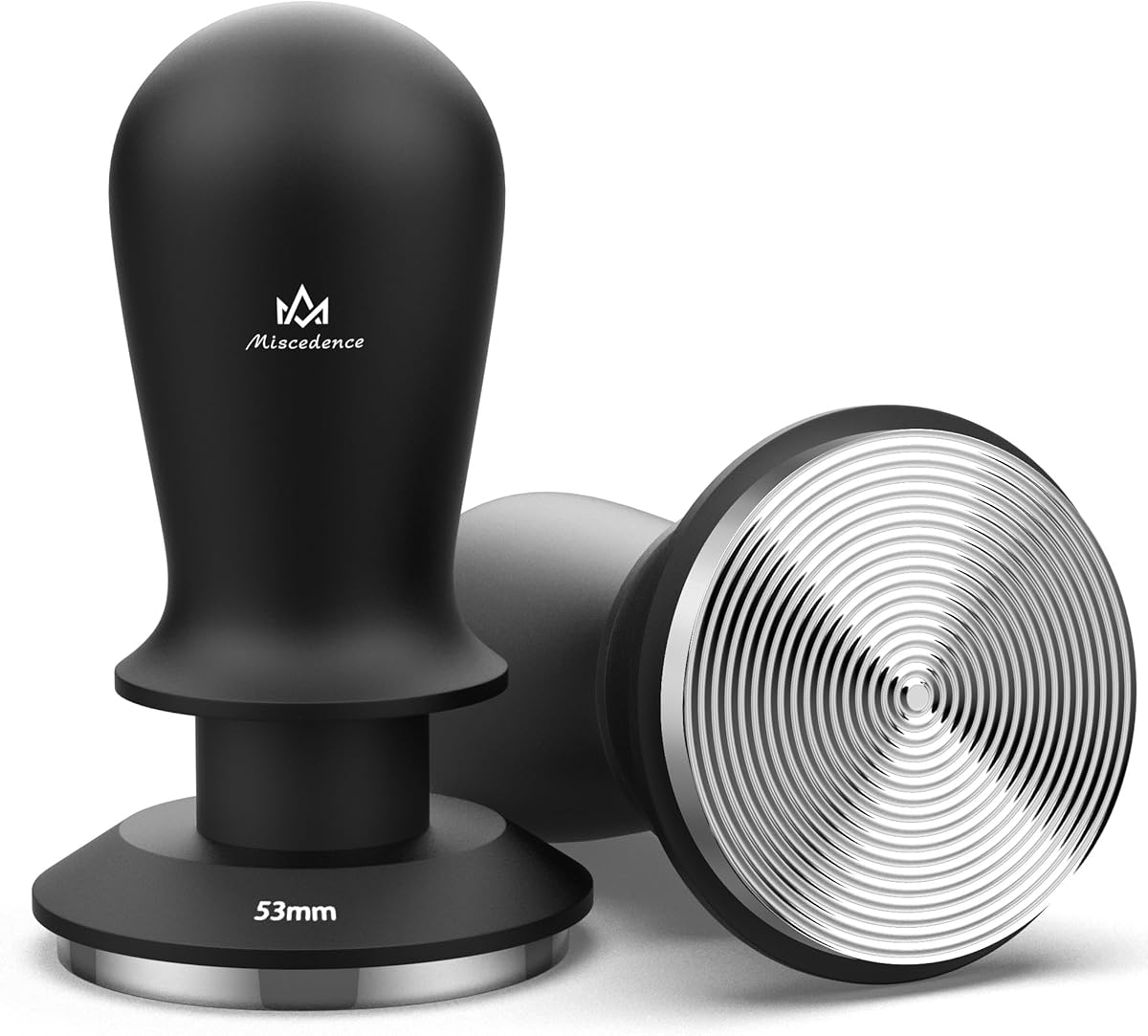
This specific 53mm calibrated spring tamper addresses the most common home barista challenge: achieving consistent tamping pressure. Unlike standard tampers, its triple-spring mechanism provides both tactile and audible feedback through impact sound, creating a repeatable process that eliminates guesswork. For espresso enthusiasts using 53mm portafilter machines like certain Breville models, this tool bridges the gap between professional technique and home workflow.
Key Considerations Before Buying
- Verify your portafilter basket size is exactly 53mm, as this tamper won't fit standard 58mm commercial equipment and may not properly fit 54mm baskets either.
- The 'impact sound feedback' feature means you'll hear distinct clicks at set pressure levels, which is valuable for training muscle memory but may be noticeable in quiet kitchens.
- Calibrated spring tampers require slightly different technique than traditional tampers—you apply pressure until the spring compresses fully, rather than judging pressure subjectively.
What Our Analysts Recommend
Quality spring tampers should have precisely machined bases with minimal edge lip to prevent coffee grounds from sticking. The spring mechanism should engage smoothly without binding, and the handle should provide comfortable grip during the downward force. For this specific model, check that the triple-spring system produces three distinct, consistent clicks without requiring excessive force.
Tampers Market Context
Market Overview
The calibrated tamper market has expanded significantly as home espresso enthusiasts seek professional-grade tools, with spring-loaded models now competing with expensive force-measuring electronic tampers. These tools specifically target the pain point of inconsistent extraction caused by variable tamping pressure, which can make or break espresso quality regardless of bean freshness or grinder quality.
Common Issues
Many spring tampers suffer from spring fatigue over time, losing calibration accuracy after several hundred uses. Poorly machined bases can create suction when lifting from the puck, disturbing the carefully leveled grounds. Some models also have handles that become uncomfortable during repeated use or springs that bind rather than compress smoothly.
Quality Indicators
Look for stainless steel construction rather than aluminum for durability, precision-machined bases with polished finishes to prevent sticking, and springs made from tempered steel that maintain calibration. The handle should have ergonomic contours, not just a straight cylinder, and the weight should feel substantial enough to provide stability during tamping.
Review Authenticity Insights
Grade B Interpretation
A Grade B authenticity rating with 11% estimated fake reviews suggests generally trustworthy feedback with minor concerns. This means most reviews reflect genuine experiences, though shoppers should be slightly more critical than with an A-grade product. The 4.70 adjusted rating (down from perfect 5.00) indicates the product performs well but may have minor issues not reflected in all reviews.
Trust Recommendation
Focus on reviews that mention specific use cases, like pairing with particular 53mm espresso machines or describing the learning curve of transitioning from a traditional tamper. Be skeptical of reviews that only praise the product in generic terms without mentioning the spring mechanism, sound feedback, or fit with specific equipment.
Tips for Reading Reviews
Look for reviews that discuss the triple-spring mechanism's performance over time, as spring durability is crucial for calibrated tampers. Pay particular attention to comments about the base's fit in 53mm baskets—proper fit should be snug without scraping basket walls. Reviews mentioning extraction improvements with specific coffee types carry more weight than general satisfaction statements.
Expert Perspective
This tamper addresses a specific niche—53mm portafilter users seeking consistency through mechanical feedback—with features typically found in more expensive professional tools. The triple-spring design with audible clicks provides multiple pressure reference points, which is more sophisticated than single-spring calibrated tampers. The high adjusted rating (4.70/5) despite authenticity concerns suggests genuine user satisfaction, particularly among home baristas struggling with tamping consistency. The product's success hinges on whether the springs maintain calibration over hundreds of uses, which most reviews don't address due to limited long-term testing.
Purchase Considerations
Consider whether your espresso workflow would benefit from the consistency this tool provides—if you already achieve good results with a traditional tamper, the improvement may be marginal. The audible feedback feature is particularly valuable for households with multiple users who need to achieve consistent results regardless of individual strength. However, if you frequently switch between different portafilter sizes or use commercial 58mm equipment, this specialized 53mm tool won't be versatile.
Comparing Alternatives
Shoppers should compare this triple-spring model against single-spring calibrated tampers and traditional flat-base tampers, considering whether the additional feedback justifies the price premium.