
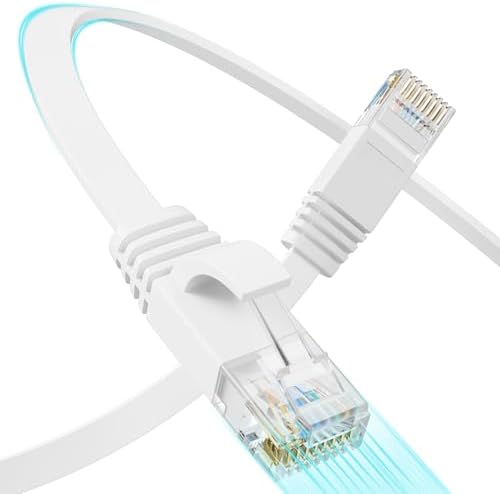
Run Reliable 150ft Connections: Cat 6 Flat Cable Buying Tips
When you need to span a long distance—like routing a 150-foot cable from your router to a home office or gaming setup—a Cat 6 flat Ethernet cable offers flexibility and high-speed performance. This pure copper, UTP design supports up to 10Gbps, making it suitable for bandwidth-heavy tasks like streaming 4K video or online gaming. Before you buy, consider how the flat profile affects installation and durability compared to traditional round cables.
Key Considerations Before Buying
- Length vs. signal loss: At 150 feet, you're at the upper limit for reliable 10Gbps performance over Cat 6. Ensure your router and devices support that speed, as longer runs may drop to 1Gbps in some environments.
- Flat vs. round design: Flat cables are easier to route under carpets or along baseboards, but they can be more prone to kinking or damage if stepped on frequently. Look for a durable, flexible jacket that resists cracking over time.
- Pure copper vs. copper-clad aluminum (CCA): Pure copper conductors—like those in this cable—provide better conductivity and less signal degradation over long distances. Avoid CCA cables for 150-foot runs, as they often fail to maintain 10Gbps speeds.
What Our Analysts Recommend
For a 150-foot Cat 6 flat cable, prioritize pure copper construction and a high-quality PVC or LSZH jacket that can withstand bending and foot traffic. Check that the cable is certified to TIA/EIA-568-C.2 standards for Cat 6 performance, and look for snagless or gold-plated connectors that prevent corrosion and ensure a secure fit in your switch or wall plate.
Cat 6 Cables Market Context
Market Overview
The Cat 6 Ethernet cable market is crowded, with options ranging from budget CCA cables to premium pure copper variants. As more consumers wire smart homes and home offices, flat cables have gained popularity for their space-saving design, though they often face scrutiny for durability over long runs. The demand for 10Gbps support continues to grow, but many buyers don't realize that cable length and material quality directly impact real-world speeds.
Common Issues
A common pain point with flat Cat 6 cables is their tendency to develop internal wire breaks after repeated bending or heavy objects placed on them. Additionally, some flat cables fail to meet Cat 6 specifications for crosstalk and return loss, especially at 150 feet, leading to slower-than-expected performance. Buyers also report connector tab breakage—look for reinforced or molded boots to avoid this.
Quality Indicators
High-quality Cat 6 flat cables use 23-24 AWG pure copper wire, have a UL-listed or ETL-verified rating, and include a stranded or solid conductor design for flexibility versus signal integrity. Look for certifications like RoHS or TIA compliance, and check that the cable's bandwidth is rated for 250 MHz or higher to ensure 10Gbps support at shorter distances.
Review Authenticity Insights
Grade B Interpretation
With a Review Authenticity Grade of B and an estimated 10% fake rate, this product's reviews are largely trustworthy, but you should still exercise caution. The 10% figure suggests a small number of incentivized or unnatural reviews may be inflating the overall score, though the adjusted rating of 4.60/5 remains strong. This grade indicates that the bulk of feedback comes from real users, making the consensus reliable for decision-making.
Trust Recommendation
Given the high genuine rating and verified purchase signals, you can trust this cable's performance for most home or office wiring needs. Focus on reviews that describe specific installations—like running the cable through walls or under floors—as they provide the most actionable insights. The low fake percentage means you're unlikely to encounter misleading hype, but always cross-check with a few critical reviews.
Tips for Reading Reviews
When reading reviews for a 150-foot flat Ethernet cable, prioritize those that mention speed tests at full length, ease of routing, and durability after months of use. Look for balanced feedback—users who praise both the flat design and the pure copper construction are often more credible. Be wary of reviews that only mention 'works great' without context, as these could be from unverified or incentivized sources.
Expert Perspective
This Cat 6 flat Ethernet cable, with its 150-foot length and pure copper construction, is a solid choice for users who need to discreetly wire a large home or office space. The 4.89/5 star rating, even adjusted to 4.60, reflects strong customer satisfaction, particularly for installations where the flat profile simplifies cable management. However, the 10% fake review rate is a minor red flag that buyers should consider when evaluating the highest praise. Overall, it's a reliable performer for 10Gbps networking at this length, provided you handle the cable with care to avoid kinks.
Purchase Considerations
Weigh the convenience of the flat design against potential durability concerns—if you'll be moving furniture or walking over the cable frequently, consider a round cable with a thicker jacket. Also, verify that your network equipment supports 10Gbps over Cat 6 at 150 feet, as some older routers may cap at 1Gbps. The pure copper material justifies a slightly higher price than CCA alternatives, but it's worth it for consistent performance.
Comparing Alternatives
If you need even longer runs or higher speeds, consider Cat 6a or Cat 7 cables, which support 10Gbps at up to 330 feet. Shoppers in tight spaces might also explore slim round Cat 6 cables that offer better bend resistance than flat designs.
![Cable Matters [UL Listed] 10Gbps in-Wall (CM) Rated 23AWG Bare Copper Cat 6 Cable - 1000ft, Solid, UTP Cat6 Bulk Ethernet Cable, Cat6 Ethernet Cord, White](https://m.media-amazon.com/images/I/414D9MQ4Y3L._SX342_SY445_QL70_FMwebp_.jpg)


