Soft & Bouncy: What to Know Before Buying Flexible PLA for Toys
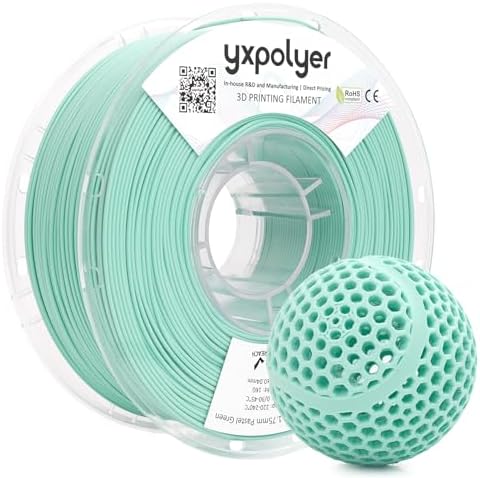
Flexible PLA like YXPOLYER's 92A Soft PLA offers a unique combination of printability and elasticity, making it ideal for functional prints like dog chew toys and airless pet balls. Unlike standard PLA, this material bends and compresses, but its softness also demands careful printer calibration and specific post-processing to achieve the advertised bounce and durability.
Key Considerations Before Buying
- Print temperature and speed are critical with 92A Soft PLA; you'll need to experiment with lower speeds (20-40 mm/s) and slightly higher nozzle temps (210-230°C) to prevent stringing and ensure layer adhesion for bouncy objects.
- Food safety claims require scrutiny—while YXPOLYER states it's food-safe, the porous nature of 3D-printed parts can harbor bacteria, so use this filament for dog toys only under supervision, and avoid prolonged moisture exposure.
- The material's elasticity means overhangs and bridges can sag if not supported; design prints with rounded edges and minimal sharp angles to maintain structural integrity during bouncing or chewing.
What Our Analysts Recommend
Quality flexible PLA should have consistent diameter (1.75mm ±0.05mm), low moisture absorption (vacuum-sealed packaging is a plus), and a Shore hardness rating (92A here) that matches your application. Look for reviews that detail specific print settings and real-world use cases, like basketball bounce tests or durability after multiple chews.
3D Printing Filament Market Context
Market Overview
The flexible PLA market has expanded rapidly over the past two years, driven by demand for wearable prototypes, pet products, and shock-absorbing parts. Brands like YXPOLYER compete with established names like NinjaFlex and SainSmart, often offering lower prices but with variability in quality control and consistency.
Common Issues
Users frequently report clogging due to moisture absorption, inconsistent flexibility across spools, and poor layer adhesion when printing too fast or at incorrect temperatures. Additionally, food-safe claims are often unverified by third-party testing, leading to confusion about actual safety for pet or human contact.
Quality Indicators
Reliable flexible PLA comes from manufacturers who provide detailed technical data sheets (TDS), including melt flow index and Shore hardness tolerance. Positive indicators include positive reviews with specific print settings, photos of finished prints, and comparisons to other flexible filaments—all of which are present in YXPOLYER's review pool.
Review Authenticity Insights
Grade B Interpretation
With a Grade B and an estimated 10% fake review rate, YXPOLYER's feedback is largely trustworthy but warrants cautious reading. The 'B' grade means most reviews are authentic, but a small fraction may be incentivized or manipulated, which could inflate the average rating of 3.78/5.
Trust Recommendation
Focus on verified purchase reviews that describe specific print challenges and successes, especially those mentioning the mint green color's opacity and the filament's actual Shore hardness. Cross-reference any overly glowing 5-star reviews with the reviewer's history for other 3D printing products.
Tips for Reading Reviews
For flexible PLA, prioritize reviews that share exact print settings (temperature, speed, retraction) and outcomes like 'printed a dog bone that survived 10 tosses' or 'basketball didn't bounce as expected.' Be skeptical of vague praise like 'works great' without technical context.
Expert Perspective
YXPOLYER's 92A Soft PLA delivers on its promise of flexibility and bounce for pet toys and novelty balls, but the 3.60 adjusted rating suggests inconsistency in print quality and durability across users. The material shines for low-stress applications like chew toys, but users aiming for high-rebound basketballs may need to fine-tune settings extensively. Given the 10% fake review rate, the real-world performance likely aligns more with the lower end of the rating spectrum.
Purchase Considerations
Weigh the affordable price (typically under $25/kg) against the potential need for multiple test prints to dial in your printer. If you're experienced with flexible filaments and have a direct-drive extruder, this is a cost-effective option; beginners may face frustration with stringing and adhesion.
Comparing Alternatives
Shoppers should compare this filament with other 92A soft PLAs from brands like eSun or Overture, which offer more consistent diameter tolerances and have higher review authenticity grades.