
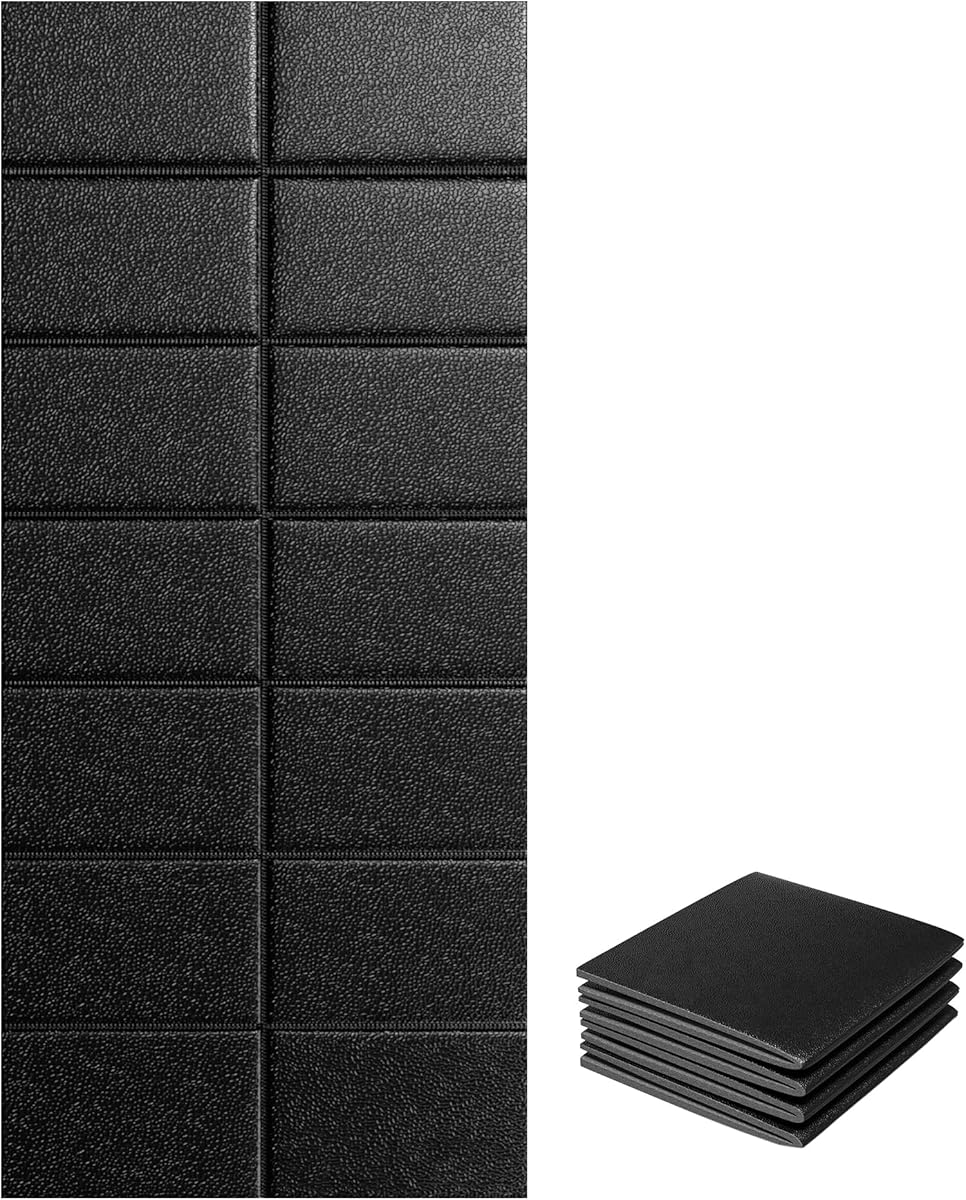
Choosing the Right Walking Pad Mat: Thickness, Density, and Floor Compatibility
When selecting a walking pad mat, the 1/4" thickness and high-density construction of this specific model are designed to address two primary concerns: protecting expensive hardwood floors from scuffs and indentations, and preventing treadmill or elliptical movement on carpet. Unlike thinner yoga mats, this product category requires materials that can withstand concentrated weight and repetitive motion without degrading.
Key Considerations Before Buying
- Floor type dictates mat function: For hardwood, prioritize non-marring backing and moisture barrier properties; for carpet, focus on anti-slip bottom texture and sufficient density to prevent equipment 'sinking'.
- The 1/4" thickness is a practical middle ground—thick enough to dampen vibration and protect floors, yet thin enough to maintain equipment stability and allow for the advertised foldable storage.
- Verify the mat's dimensions against your equipment's footprint, especially for walking pads which often have smaller bases; a mat that's too large can create tripping hazards at the edges.
What Our Analysts Recommend
High-quality mats in this category use cross-linked PVC or rubber composite materials, not simple EVA foam, to achieve the necessary density and durability. Check for reinforced edges and a textured, non-porous top surface that resists sweat absorption and is easy to clean with gym equipment cleaners.
Exercise Equipment Mats Market Context
Market Overview
The market for specialized equipment mats has grown with the rise of compact home gym equipment like walking pads and under-desk treadmills, moving beyond generic gym flooring. Consumers now seek mats with specific thickness ratings (like 1/4" or 3/8") and technical features such as non-transferring backings for luxury vinyl plank or engineered hardwood.
Common Issues
Common failures include mats that curl at the edges after being unrolled, low-density foam that compresses permanently under equipment legs, and bottom surfaces that either slide on hard floors or grab and damage carpet fibers. Odor from volatile organic compounds (VOCs) in new rubber mats is another frequent complaint.
Quality Indicators
Look for mats that specify their density in pounds per cubic foot (PCF)—higher is better for equipment use. A quality mat will list compatibility with specific floor types (e.g., 'safe for finished hardwood') and have a warranty against tearing or permanent deformation. The presence of micro-perforations can aid in flat-lying and reduce air bubbles.
Review Authenticity Insights
Grade B Interpretation
A 'Grade B' authenticity rating with a 10% estimated fake review rate suggests a mostly trustworthy review pool, typical for a popular accessory category where incentivized reviews are common. The drop from a 4.67 to a 4.40 adjusted rating after analysis indicates that the suspicious reviews were likely overly positive, slightly inflating the raw score.
Trust Recommendation
Focus on the verified purchase reviews that discuss long-term use (3+ months), specifically mentioning performance on your floor type. Given the 10% fake rate, be slightly more skeptical of reviews that only praise generic 'great quality' without detailing material feel, odor, or how the mat lays flat.
Tips for Reading Reviews
For this product, prioritize reviews that mention the mat's performance under specific equipment (e.g., 'under my 250-lb elliptical') and its behavior on the exact floor surface you have. Reviews discussing foldability and edge behavior after several weeks are particularly valuable for assessing real-world durability.
Expert Perspective
The product's high adjusted rating of 4.40/5 from verified purchasers is strong for this category, where fit and floor compatibility are highly individual. The specificity of its design for both carpet and hardwood suggests a dual-texture backing, which is a thoughtful feature. The 1/4" thickness is a pragmatic specification—it provides meaningful protection without creating a significant step-up hazard, a common complaint with thicker 1/2" mats used for heavier rack equipment.
Purchase Considerations
Weigh the foldable feature against potential long-term creasing. If you plan to leave the mat permanently in place, a non-foldable roll might lie flatter. Consider the mat's width relative to your walking pad's stride area; a mat that's too narrow may not catch all footfall off the sides during vigorous use.
Comparing Alternatives
Shoppers should compare this mat's dimensions and material composition (e.g., PVC vs. TPE) against other 1/4" options, as density and surface texture can vary significantly even at the same thickness.


