Choosing Stackable Plant Poles: Adjustability, Clamp Security, and Material Durability Matter
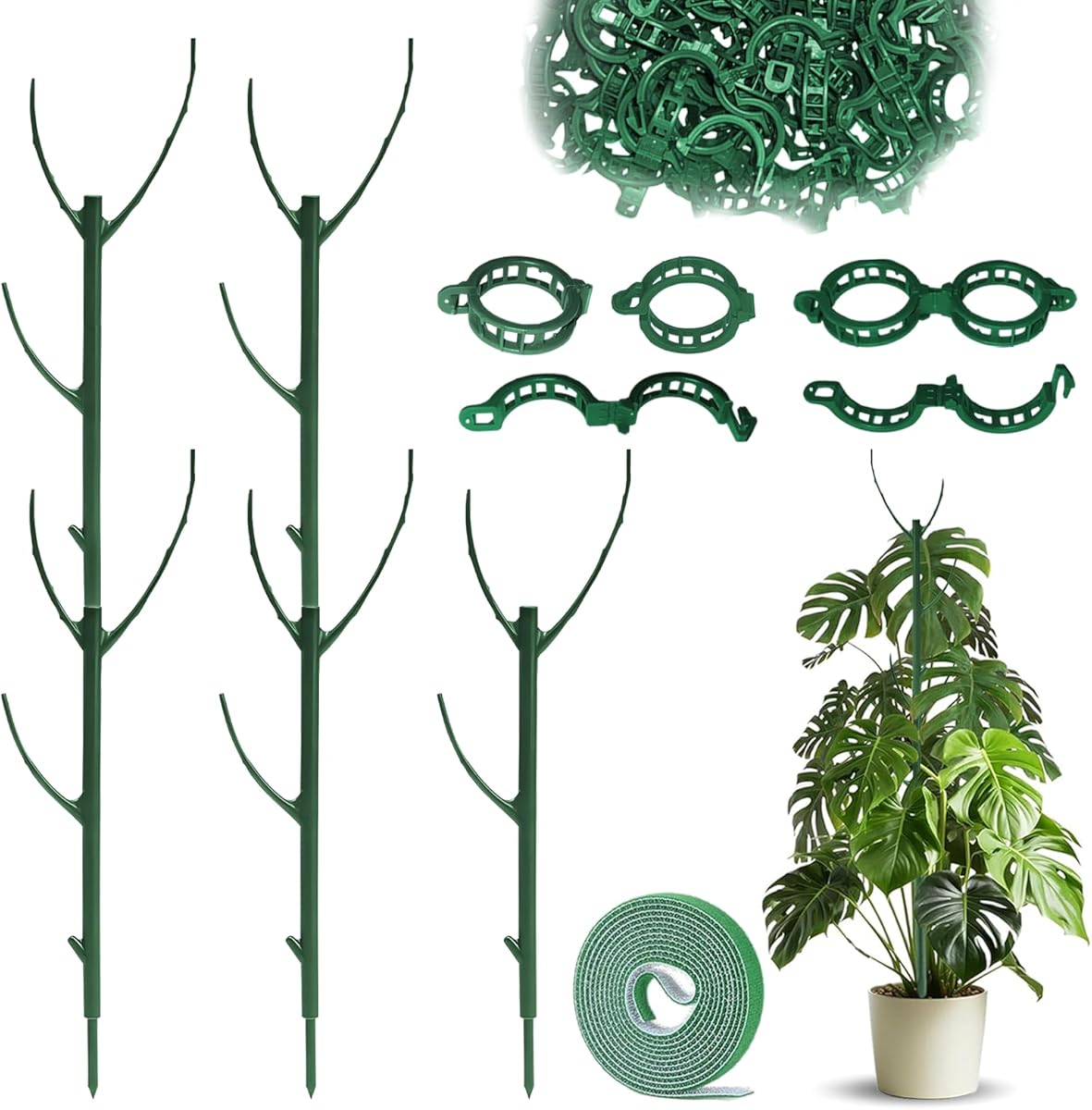
When selecting stackable support poles like this 5-pack adjustable system, buyers should focus on three core functions: providing vertical growth guidance for heavy-stemmed plants like Monstera, offering secure attachment without stem damage, and maintaining stability as plants mature. This specific product's stackable design and included clamps address these needs differently than traditional single-piece stakes or trellises.
Key Considerations Before Buying
- Stack mechanism reliability: The interlocking connection between pole segments must resist wobbling under the weight of a mature climbing plant, especially when used outdoors where wind is a factor.
- Clamp design and padding: The included clamps should firmly grip stems without constricting growth or causing abrasion; look for soft inner linings and adjustable tension.
- Indoor/outdoor material suitability: The powder-coated steel must resist rust in humid indoor environments and withstand UV exposure and moisture when used in garden settings.
What Our Analysts Recommend
High-quality stackable supports feature precise machining on the connecting threads or joints to prevent slippage. Examine product images for clamp construction—good designs use a wide, curved contact area rather than narrow points of pressure. For adjustability, the locking mechanism (often a thumb screw) should appear substantial enough to maintain its grip over time.
Plant Cages & Supports Market Context
Market Overview
The plant support market has shifted from basic bamboo stakes toward modular, reusable systems, particularly for popular large-leafed houseplants like Monstera deliciosa and Philodendron. Consumers now seek aesthetic solutions that function as permanent plant architecture rather than temporary aids.
Common Issues
Common failures include clamps that lose grip as plants thicken, stackable joints that become loose or cross-threaded, and finishes that chip or rust after repeated watering. Many cheaper poles lack the weight or base stability to support top-heavy plants without tipping.
Quality Indicators
Superior products use heavier-gauge steel (often 6-8mm diameter), incorporate rubber or silicone padding within clamps, and feature corrosion-resistant finishes like epoxy powder coating. The best systems allow for height adjustments in smaller increments (e.g., 4-6 inches) for precise control.
Review Authenticity Insights
Grade B Interpretation
A Grade B authenticity rating with an estimated 10% fake review rate indicates a mostly trustworthy review pool where the vast majority of feedback comes from genuine purchasers. The 0.20-point drop from the displayed 4.00 to the adjusted 3.80 rating suggests some mild review inflation, but not enough to fundamentally distort the product's reception.
Trust Recommendation
Focus on the verified purchase reviews, which constitute the majority here. Pay particular attention to 3-star reviews, as they often provide the most balanced assessment of the stackable joints' stability and clamp functionality in real-world use.
Tips for Reading Reviews
Look for reviews that mention specific plant types (e.g., 'used for my mature Monstera'), describe long-term use (6+ months), or detail installation challenges. Reviews discussing 'wobble' at connection points or 'rust spots' after outdoor use provide critical durability insights.
Expert Perspective
This product's adjusted 3.80 rating from verified purchasers places it in the solid mid-tier of modular plant supports. The stackable design is its defining feature, offering flexibility that fixed-height poles lack, but this complexity introduces potential failure points at the connections. The inclusion of clamps addresses a common pain point—securing thick stems without tying—but the clamp's long-term grip and padding quality will determine success. The mixed indoor/outdoor claim requires scrutiny of the coating's actual weather resistance.
Purchase Considerations
This 5-pack is best suited for gardeners with multiple climbing plants needing different height supports or for those wanting to extend support as a single plant grows. Consider your plant's mature weight; heavy, woody climbers may test the system's lateral stability more than vining plants. The value proposition hinges on whether you'll utilize the adjustability feature or if fixed-height stakes would suffice.
Comparing Alternatives
Shoppers should compare this system's connection mechanism and clamp design against competing stackable poles, as well as evaluate whether a simpler, sturdier single-piece moss pole might be more appropriate for very heavy plants.