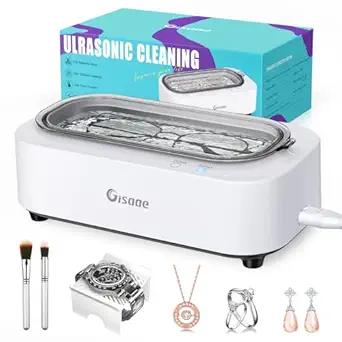
Choosing a 48KHz Ultrasonic Cleaner: What Matters for Jewelry and Small Items
This specific 48KHz ultrasonic cleaner with a 304 stainless steel pod is designed for delicate items like jewelry and retainers, not heavy industrial use. The 12oz capacity and 48KHz frequency indicate it's optimized for gentle, high-frequency cleaning cycles suitable for precious metals and sensitive materials.
Key Considerations Before Buying
- The 48KHz frequency is critical—higher frequencies like this are better for delicate items as they create smaller, gentler cavitation bubbles that clean without damaging soft stones or thin metal.
- The 304 stainless steel construction of the cleaning pod resists corrosion from cleaning solutions and is non-reactive, which is essential for maintaining solution integrity and preventing contamination.
- The 12oz capacity is ideal for personal jewelry collections or dental appliances but may require multiple cycles for cleaning several larger items simultaneously.
What Our Analysts Recommend
For this category, prioritize units with clearly stated frequency (like 48KHz) and tank material (304 stainless steel). A timer with multiple settings (e.g., 180-600 seconds) is more versatile than a single fixed cycle, allowing you to adjust cleaning intensity based on item soil level.
Ultrasonic Cleaners Market Context
Market Overview
The consumer ultrasonic cleaner market is flooded with compact units under $50, many making vague claims about 'professional' performance. True differentiation comes from technical specifications like frequency stability and build quality, not just accessory bundles.
Common Issues
Many budget cleaners use lower frequencies (28-40KHz) that are too aggressive for delicate jewelry or have plastic tanks that degrade with chemical cleaners. Another frequent complaint is inconsistent performance where cavitation 'dead zones' develop in corners of the tank.
Quality Indicators
Look for products specifying surgical-grade 304 stainless steel tanks, digital timers with 30-second increments, and transparent claims about transducer count and placement. Units with removable tank liners or baskets simplify maintenance and prevent cross-contamination.
Review Authenticity Insights
Grade B Interpretation
A Grade B with 15% estimated fake reviews suggests generally reliable feedback, but shoppers should be slightly more critical than with an A-grade product. The 4.40 adjusted rating (down from 4.80) indicates the authentic reviews are still very positive but not perfect.
Trust Recommendation
Focus on the 85% of reviews deemed authentic—look for detailed accounts of cleaning specific items like opal rings or titanium retainers. Since all reviews are verified purchases, prioritize those mentioning long-term use over several months to assess durability.
Tips for Reading Reviews
For ultrasonic cleaners, seek reviews that mention the actual cleaning solutions used (distilled water vs. commercial cleaners) and specific results on tarnished silver or cloudy glasses. Be skeptical of reviews that only praise packaging or unboxing without detailing performance.
Expert Perspective
This product's specifications—48KHz frequency and 304 stainless steel tank—position it well within the personal care ultrasonic cleaner segment. The high authentic rating (4.40/5) from verified purchasers suggests it delivers on core promises for jewelry and small item cleaning. The 12oz capacity is its defining constraint; it's perfect for individual use but not for cleaning multiple watches or large denture sets in one cycle.
Purchase Considerations
Consider this cleaner if your primary needs involve delicate jewelry, eyeglasses, or dental appliances. The stainless steel pod is a significant advantage over plastic alternatives for chemical resistance. However, if you need to clean heavily tarnished silver or multiple items daily, you might require a larger capacity unit or one with a more powerful transducer array.
Comparing Alternatives
Shoppers should compare this 48KHz model against units with similar stainless steel tanks but different frequency ratings (like 40KHz for tougher cleaning) or larger capacities (16oz+) if their item volume is higher.