Choosing a 6-24V DC Automotive Circuit Tester: What DIYers and Pros Should Know
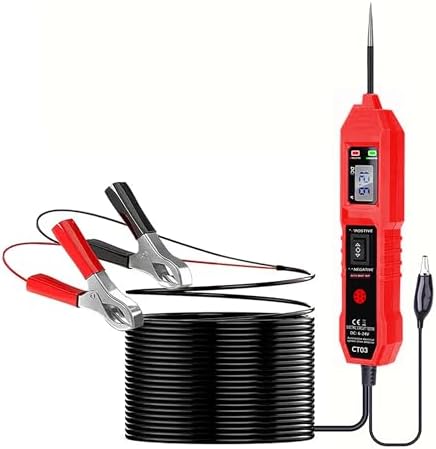
The CT03 Power Circuit Tester represents a specific class of automotive diagnostic tools designed for 6-24V DC systems, making it suitable for cars, motorcycles, and RVs. Unlike basic test lights, this unit combines polarity identification, continuity checking, and short circuit detection in one handheld probe, with the critical addition of overload protection to safeguard both the tool and vehicle electronics.
Key Considerations Before Buying
- Voltage range is crucial: The 6-24V DC specification means it's designed for standard automotive 12V systems and some 24V commercial vehicles, but it is NOT suitable for household AC current or sensitive low-voltage electronics below 6V.
- Overload protection is a key safety feature for a circuit tester, as it prevents damage to the tool's internal LED and components if accidentally connected to excessive voltage or current, a common risk in automotive environments.
- The dual functionality of identifying polarity (positive/negative) and checking continuity makes this a versatile tool for diagnosing blown fuses, broken wires, faulty switches, and ground issues without needing a multimeter for basic tasks.
What Our Analysts Recommend
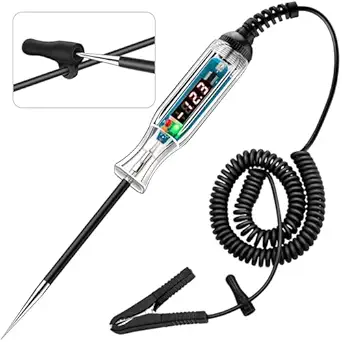
For a tool like the CT03, examine the build quality of the probe tip and alligator clip—they should be robust for piercing wire insulation and making solid connections. A bright, easy-to-see LED is non-negotiable for working in dim engine bays. Genuine overload protection should be explicitly stated, not just implied.
Circuit Testers Market Context
Market Overview
The market for basic automotive circuit testers is crowded with low-cost imports, but products that reliably combine multiple diagnostic functions with built-in protection are less common. The CT03 competes in a niche between simple $5 test lights and more expensive digital multimeters.
Common Issues
Common failures in this category include fragile probe tips that break, dim LEDs that are invisible in daylight, and a complete lack of real overload protection despite marketing claims. Many budget testers also suffer from poor wire insulation that can crack in cold weather.
Quality Indicators
Look for products that specify the exact type of overload protection (e.g., resettable fuse or current-limiting resistor). Quality testers use thick, flexible silicone-insulated lead wires that resist oil, heat, and abrasion. A clear, detailed instruction sheet often correlates with better overall product design.
Review Authenticity Insights
Grade B Interpretation
A Grade B authenticity rating with an 11% estimated fake review rate suggests the majority of feedback is trustworthy, but shoppers should be aware that roughly 1 in 10 reviews might be inauthentic. This is a moderate rate for this category, where incentivized reviews are not uncommon.
Trust Recommendation
Focus on reviews that mention specific, real-world use cases like 'testing a motorcycle tail light circuit' or 'finding a short in my truck's trailer wiring,' rather than vague praise. The adjusted rating of 4.20/5, down from 4.44/5, is likely a more accurate reflection of genuine user satisfaction.
Tips for Reading Reviews
Prioritize reviews from verified purchasers that discuss longevity and durability over time, not just initial function. Be skeptical of reviews that only praise packaging or delivery speed for a functional tool like this. Look for mentions of the overload protection actually being tested or needed.
Expert Perspective
The CT03's specifications and review data position it as a competent, multi-function diagnostic tool for its price point. The inclusion of stated overload protection is a significant differentiator from many basic test lights. The strong adjusted rating of 4.20/5 from authentic reviews indicates it generally performs its core functions well for DIY automotive electrical work. However, its 6-24V DC range defines its limits—it's an automotive specialist, not a universal electrical tool.
Purchase Considerations
This tester is ideal for someone who needs more than a simple power-on light but doesn't require the precision measurements of a multimeter. Consider your typical projects: if you frequently diagnose wiring faults, test switches, or identify circuits in 12V systems, this offers good utility. If you need to measure exact voltage, resistance, or current, you still need a multimeter.
Comparing Alternatives
Shoppers should compare the CT03's specific feature set—especially its overload protection and continuity function—against similar testers from brands like Power Probe or OTC, noting differences in build quality and warranty.