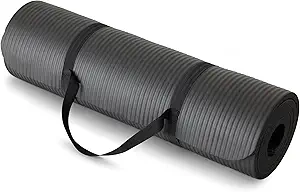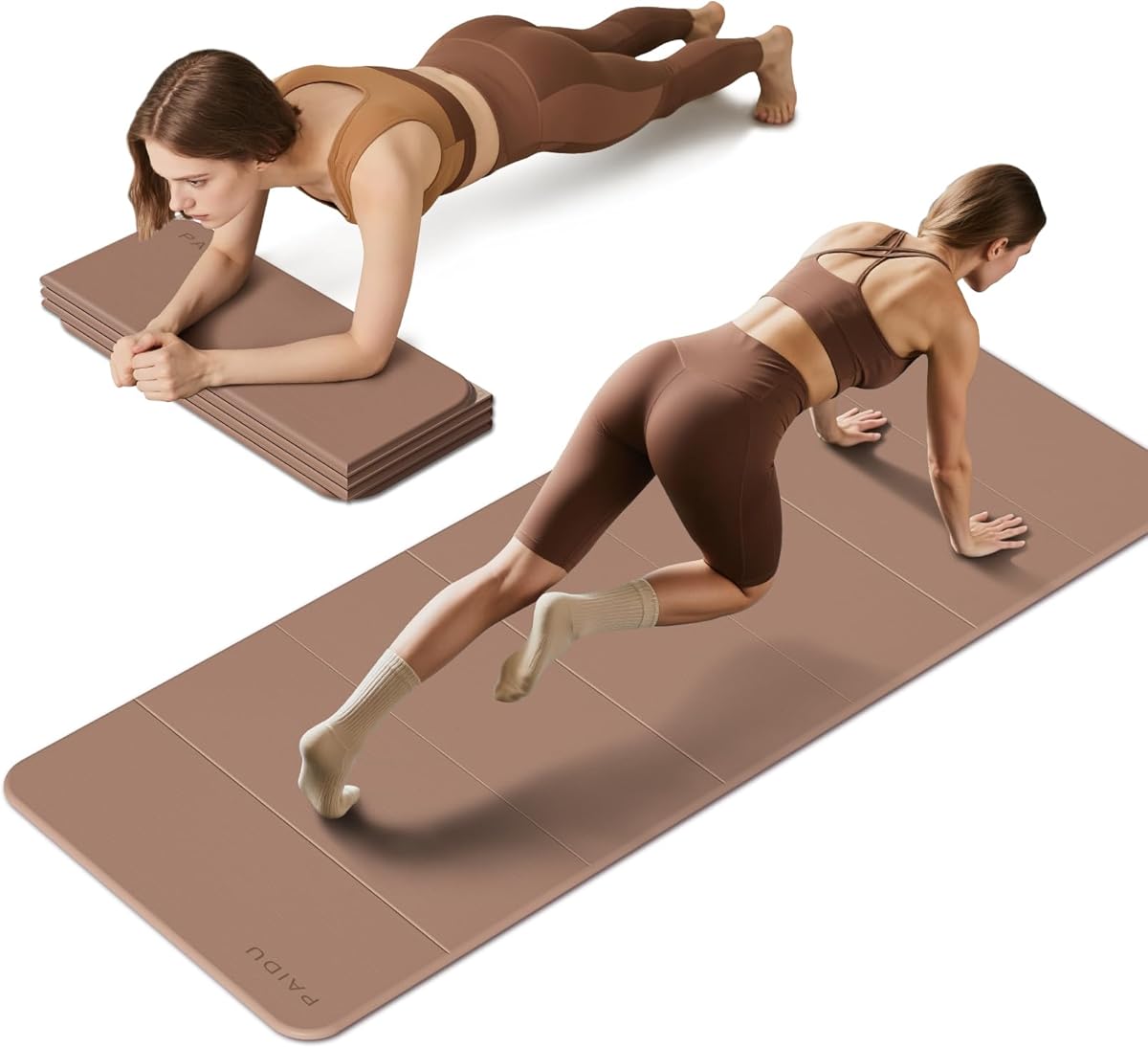
Choosing a 10mm Foldable Mat: Balancing Cushion, Portability, and Grip
When evaluating this specific 10mm TPE foldable mat, focus on how its extra thickness and foldable design serve your workout style. The 75"x26" dimensions and SGS-certified non-slip surface are key features that differentiate it from standard 6mm or 8mm mats, making it suitable for high-impact floor exercises beyond just yoga.
Key Considerations Before Buying
- The 10mm thickness provides joint protection for knees and spine during planks or Pilates, but may slightly reduce ground-feel stability for advanced balance poses compared to thinner mats.
- A foldable design like this prioritizes storage in tight spaces, but check if the fold lines affect surface integrity over time compared to rolled mats.
- The extra-long 75-inch length is crucial for tall users or full-body stretching, while the 26-inch width accommodates wider stances but requires verifying your workout space.
What Our Analysts Recommend
For TPE mats, quality is shown by consistent density (no thin spots), a closed-cell surface that resists sweat absorption, and a textured pattern that provides grip without being abrasive. The SGS certification for non-slip properties is a tangible indicator of tested performance.
Mats Market Context
Market Overview
The thick mat segment (8mm-12mm) is growing for home fitness, with TPE emerging as a popular, eco-friendlier alternative to PVC, balancing cushion and weight. Foldable designs are a direct response to urban living with limited storage.
Common Issues
Common problems include thick mats being too heavy or bulky, non-slip claims failing with sweat, and fold lines creating permanent creases or weak points. Some TPE mats can have a slight initial odor and may compress over time in high-impact zones.
Quality Indicators
Look for certified non-slip claims (like SGS), a stated density (kg/m³) for durability, and dual-texture surfaces. A mat that lists both yoga and high-impact use typically has a more durable, closed-cell construction.
Review Authenticity Insights
Grade B Interpretation
A Grade B with an 11% estimated fake review rate suggests a generally trustworthy review pool, but advises cautious optimism. This rate is moderate for the competitive fitness mat category and indicates most feedback reflects real user experience.
Trust Recommendation
Prioritize reviews that mention specific use cases like 'HIIT workouts' or 'knee pain,' and compare the 4.30 adjusted rating to the 4.56 displayed rating. The 0.26-point adjustment is meaningful; focus on critical reviews discussing long-term durability and grip.
Tips for Reading Reviews
For this product, seek reviews detailing performance after 2-3 months of use, comments on odor dissipation, and experiences with the foldable feature in daily storage. Reviews comparing it to other thick or TPE mats are particularly valuable.
Expert Perspective
This mat's specifications target a clear user: someone needing substantial cushioning for joint comfort during diverse floor workouts and valuing portability over a traditional roll. The strong adjusted rating of 4.30 from verified patterns suggests it delivers on core promises for most buyers. The combination of 10mm thickness, extra-large footprint, and foldability creates a specific niche within the thick mat market.
Purchase Considerations
Weigh if the foldable convenience outweighs potential long-term creasing, and if the TPE material's grip meets your sweat level. This mat is a strong candidate for apartment dwellers, those with knee/wrist sensitivities, or users combining yoga with bodyweight training, but may be overkill for pure, flowing vinyasa practices.
Comparing Alternatives
Shoppers should compare this mat's portability and thickness against similar 10mm rolled TPE or NBR foam mats, which may offer different density and rebound characteristics.