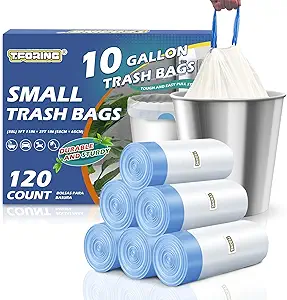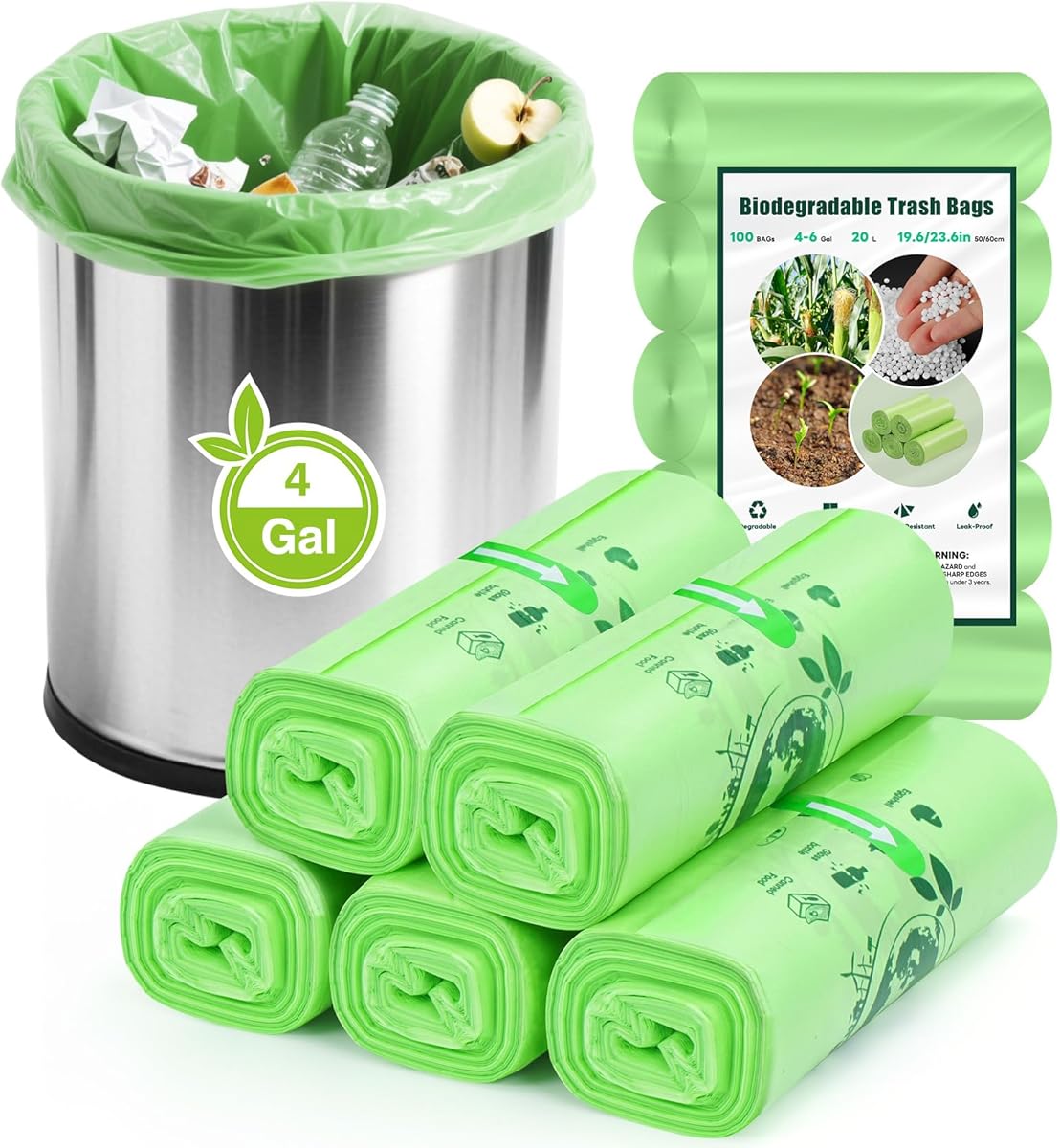
Choosing 4-Gallon Trash Bags: Balancing Size, Strength, and Environmental Claims
When selecting 4-gallon trash bags like this 120-count pack, buyers must match the bag's specific characteristics to their intended use. This product's 'compost waste bag' designation and 'green' labeling suggest environmental considerations, while its unscented, multi-room application requires evaluating its actual puncture resistance and fit for small bins.
Key Considerations Before Buying
- Verify the actual thickness or mil rating, as 'strong' is subjective; true durability for compost waste requires resistance to wet, sharp food scraps without tearing at the seams.
- Assess the 'green' claim: determine if these are simply colored bags or if they're made with recycled content or certified compostable materials, which affects disposal methods.
- Confirm the 4-gallon size compatibility with your specific bathroom, bedroom, or office bins; a poor fit leads to slippage and inefficient use of the 120-count bundle.
What Our Analysts Recommend
Quality indicators for small trash liners include consistent gusset design for easy opening, a balanced drawstring or flap seal that doesn't compromise side seams, and polymer consistency that prevents brittle failure in cold rooms. For compost use, seek explicit certifications like BPI for home composting rather than vague 'green' marketing.
Trash Bags Market Context
Market Overview
The 4-gallon segment is a competitive niche between standard kitchen and mini bags, often marketed for bathroom and office use with growing emphasis on compostable options. Brands are increasingly using color (like this product's green) to denote specialized uses, such as compost or recycling, creating both clarity and potential consumer confusion.
Common Issues
Common failures include bags tearing under the weight of damp bathroom waste or sharp compost materials, elasticated tops that lose tension, and misleading claims about biodegradability that don't align with municipal composting facilities' requirements. Scented variants in this size can also overwhelm small spaces.
Quality Indicators
Beyond star ratings, examine reviews mentioning specific stress tests—like holding cat litter or food scraps. High-quality bags maintain consistent thickness throughout, feature reinforced bottom seals, and use low-density polyethylene (LDPE) or certified compostable materials that perform as advertised.
Review Authenticity Insights
Grade B Interpretation
A 'Grade B' with an 11% estimated fake review rate indicates generally reliable feedback but warrants scrutiny. For this product, it suggests most reviews reflect genuine experiences, though a small portion may exaggerate strength or compostability claims to boost ratings in a crowded market.
Trust Recommendation
Focus on verified purchase reviews that detail specific use cases, like lining a 3.5-gallon office bin or containing vegetable peels. Be cautious of generic praise about 'strength' without context; authentic reviews often mention minor flaws alongside positives, which aligns with this product's natural rating distribution down to 3-star feedback.
Tips for Reading Reviews
Prioritize reviews that test the 'compost waste bag' claim with actual food waste, discuss the unscented feature in sensitive areas like bedrooms, or note the bag's performance over a full 120-count use cycle. Look for photos showing fit in named bins (e.g., 'Simplehuman compact can') for real-world validation.
Expert Perspective
With an adjusted 4.4/5 rating from largely authentic reviews, this product appears to satisfy core expectations for small-space liners. The high rating suggests reliable performance for basic bathroom and office waste, though the 'compost' and 'green' aspects require careful verification beyond marketing. The unscented feature is a practical advantage for multi-room use, avoiding chemical odors in confined spaces. The 120-count bulk offering provides cost efficiency if the bag dimensions align with your bins.
Purchase Considerations
Weigh the value of bulk purchasing 120 bags against the risk of inconsistent fit across different small cans. If compost disposal is your primary goal, investigate whether your local facility accepts these bags or if 'green' merely refers to color. Consider that 4-gallon bags are ideal for low-volume waste points but may lack the leeway for occasional overflow.
Comparing Alternatives
Shoppers should compare thickness (mil gauge), compostability certifications, and count-to-price ratios with similar 4-gallon products, as small variations significantly impact daily usability.