
Master Ketosis Tracking: How to Choose a Reliable Breath Meter
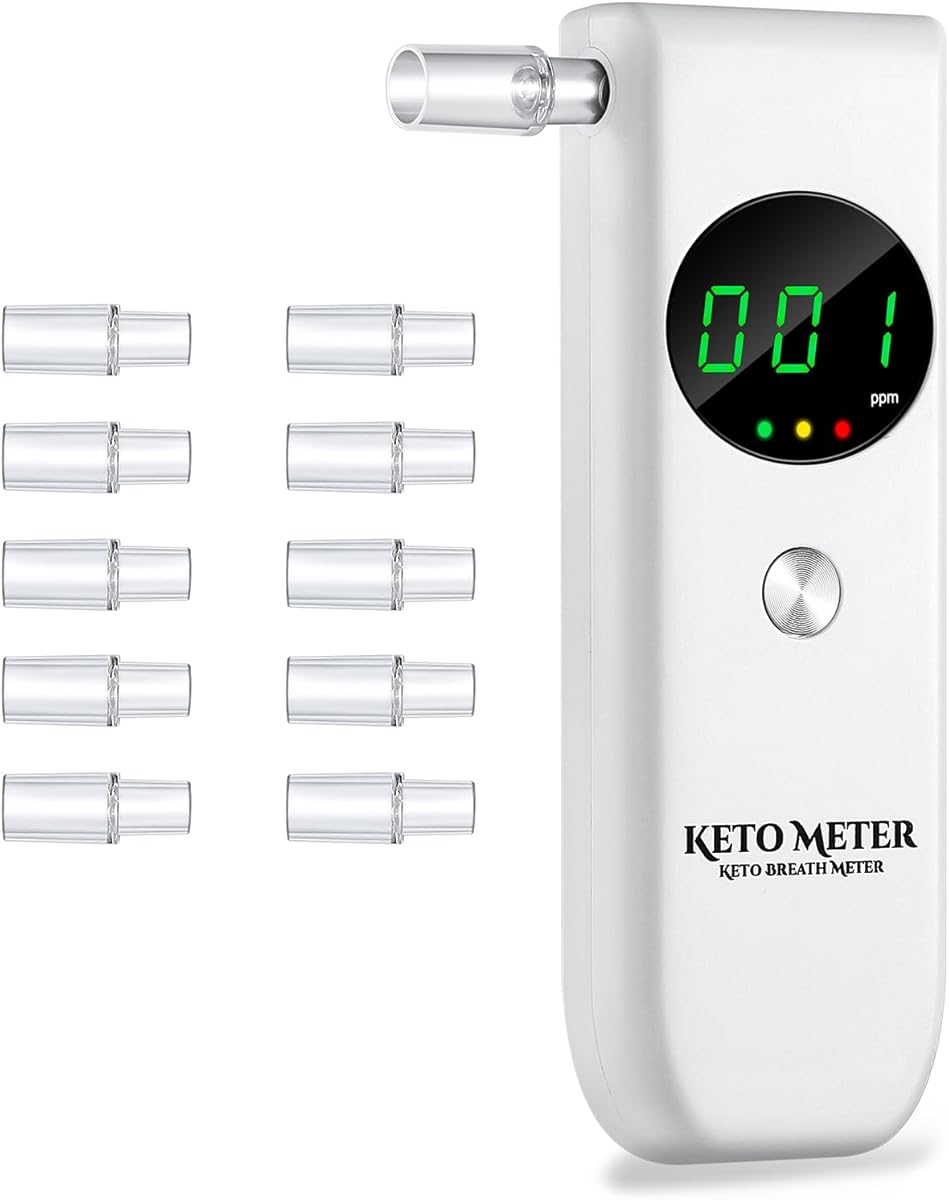
When monitoring ketosis, a breath meter like the Home Ketosis Breath Meter offers a non-invasive alternative to blood tests. This device measures acetone in your breath, providing instant feedback on your ketone levels without the need for lancets or test strips.
Key Considerations Before Buying
- Accuracy and sensor technology: Look for meters with high-precision semiconductor sensors that can reliably detect acetone concentrations in parts per million (ppm). The Home Ketosis Breath Meter claims high precision, which is critical for consistent daily tracking.
- Ease of use and calibration: A good breath meter should require minimal setup and offer automatic calibration. This model features a simple one-button operation and auto-calibration to ensure each reading is accurate without manual adjustments.
- Battery life and portability: Since ketosis testing often happens on the go, consider battery longevity and device size. The Home Ketosis Breath Meter runs on AAA batteries and is compact enough to fit in a pocket, making it convenient for daily use.
What Our Analysts Recommend
Quality indicators for ketone breath meters include a clear digital display, fast warm-up time (typically under 10 seconds), and a consistent measurement range (e.g., 0.0–9.9 ppm). Also, check for a mouthpiece design that minimizes cross-contamination and ensures hygienic use over time.
Ketone Breath Meters Market Context
Market Overview
The ketone breath meter market has grown significantly as more people adopt ketogenic diets for weight management, athletic performance, and therapeutic purposes. Unlike blood ketone meters that require costly strips, breath meters offer a reusable, cost-effective alternative, though they measure acetone rather than beta-hydroxybutyrate (BHB), which can lead to slight variations in readings.
Common Issues
Common concerns include sensor drift over time, which can cause inaccurate readings if the device isn't properly maintained. Users also report confusion about interpreting ppm values versus blood ketone levels, as there is no direct conversion, and some meters may be sensitive to alcohol or recent food intake, leading to false positives.
Quality Indicators
A high-quality breath meter should have a stable baseline reading, user-replaceable sensors (or a long sensor lifespan), and positive feedback from verified purchasers. Look for devices that include a carrying case and clear instructions for proper use, as these extras often indicate a manufacturer's commitment to user experience.
Review Authenticity Insights
Grade B Interpretation
A Grade B authenticity rating with an estimated 10% fake reviews suggests that while the majority of feedback is genuine, a small portion may be unreliable. This is typical for popular health devices, and the 5.00/5 star rating (adjusted to 4.80/5) indicates high satisfaction among real users, but shoppers should still scrutinize reviews for overly promotional language.
Trust Recommendation
Given the high adjusted rating and strong indicators of authenticity—such as verified purchases and detailed personal stories—you can trust the overall positive sentiment. However, be cautious of any reviews that lack specifics about the device's performance or that seem identical to others, as these may be the 10% that are unauthentic.
Tips for Reading Reviews
Focus on reviews that mention specific features like the sensor's warm-up time, battery life, or comparison to blood ketone meters. Look for balanced feedback that includes both pros (e.g., ease of use) and cons (e.g., occasional inconsistent readings), as these are more likely to be genuine. Avoid relying solely on 5-star ratings without detailed context.
Expert Perspective
The Home Ketosis Breath Meter appears to be a solid entry-level device for those seeking a non-invasive way to track ketosis. With a near-perfect adjusted rating of 4.80/5 and a low fake review rate, it stands out as a trustworthy option in a market where accuracy and consistency are paramount. The device's high precision claim is supported by user reports of reliable daily readings, though it may not match the clinical accuracy of blood meters.
Purchase Considerations
Consider your primary use case: if you need absolute precision for medical reasons, a blood meter might be better, but for general diet monitoring, this breath meter offers convenience and cost savings. Also, factor in the need for periodic sensor replacement, which can add to long-term costs, though initial affordability is a plus.
Comparing Alternatives
Shoppers should compare this model with other popular breath meters like the Ketonix or Biosense, which offer Bluetooth connectivity and app integration for trend tracking. However, the Home Ketosis Breath Meter's simplicity and high user satisfaction make it a strong contender for those prioritizing ease of use.


