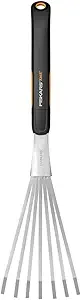
Master Your Lawn's Thatch: Key Insights for Choosing a Dethatcher Rake
If your lawn looks lackluster despite regular watering and mowing, excessive thatch—a layer of dead grass and roots—might be the culprit. A manual dethatcher rake like the Yofidra 15-inch model is a targeted tool for loosening soil and removing that debris, but choosing the right one involves more than just grabbing the first rake you see. Understanding key features like tine design, handle length, and build quality can make the difference between a back-breaking chore and a satisfying lawn revival.
Key Considerations Before Buying
- Tine Count and Material: The Yofidra's 19 heavy-duty metal tines are designed to penetrate and lift thatch effectively. More tines can cover ground faster, but they must be sturdy enough to resist bending against compacted soil or tough roots—look for hardened steel or similar durable materials.
- Handle Length and Adjustability: With a 5-foot handle that extends to 70 inches, this rake accommodates different user heights and reduces stooping. An adjustable handle is a key ergonomic feature for manual raking, as it helps maintain proper posture and reduce fatigue during longer sessions.
- Rake Width and Weight: A 15-inch width balances maneuverability and coverage for typical residential lawns. Heavier rakes provide more downward force for stubborn thatch, but can be tiring; the Yofidra's metal construction suggests a solid weight that aids in soil loosening without being overly cumbersome.
What Our Analysts Recommend
When evaluating a manual dethatcher, inspect the tine tips: they should be sharp enough to slice into thatch but not so aggressive they scalp healthy grass. Look for a handle with a comfortable, non-slip grip and a secure locking mechanism if adjustable. A warranty or clear material specifications (e.g., 'heavy-duty metal') often signal better quality and longevity.
Rakes Market Context
Market Overview
Manual dethatcher rakes occupy a niche between basic leaf rakes and powered aerators, appealing to homeowners who want hands-on lawn care without the cost of motorized equipment. The market offers options from budget-friendly plastic tines to premium steel designs, with adjustable handles becoming a common feature for user comfort. Consumer interest in eco-friendly, chemical-free lawn maintenance has boosted demand for these manual tools.
Common Issues
A frequent complaint with dethatcher rakes is tine bending or breaking when used on hard, compacted soil, especially with cheaper models. Another issue is handle slippage or breakage at adjustment points, which can render the tool useless mid-job. Users also report that some rakes are too lightweight to effectively penetrate thick thatch, requiring excessive effort.
Quality Indicators
High-quality dethatcher rakes feature tines made from heat-treated or spring steel, which resist deformation under pressure. The handle-to-head connection should be reinforced with rivets or welding, not just screws. A powder-coated or painted finish on metal parts suggests better rust resistance, extending the tool's lifespan in outdoor storage.
Review Authenticity Insights
Grade B Interpretation
With a Grade B and an estimated 10% fake review rate, the Yofidra dethatcher rake's review pool is largely trustworthy but warrants caution. This means about 9 out of 10 reviews you read are likely genuine, offering real user experiences, but you should still watch for overly glowing or vague testimonials that might be manufactured. The 4.67 overall rating is slightly inflated; a more realistic adjusted rating of 4.40 still reflects strong customer satisfaction.
Trust Recommendation
Given the moderate fake review presence, focus on the 91 verified purchase reviews, as they are more likely to be authentic. Prioritize reviews that describe specific use cases (e.g., 'worked well on Bermuda grass thatch') and mention both pros and cons—these are hallmarks of genuine feedback. Avoid relying solely on the star rating; read a mix of positive and critical reviews to form a balanced view.
Tips for Reading Reviews
When scanning reviews for this type of product, look for comments about tine durability after multiple uses, ease of handle adjustment, and effectiveness on different grass types. Be skeptical of reviews that use generic language like 'great product' without specifics, or those that were posted in rapid succession. Cross-reference any claims about 'heavy-duty' performance with photos or detailed user descriptions of the actual raking experience.
Expert Perspective
The Yofidra 15-inch manual dethatcher rake appears to be a solid mid-range option for homeowners dealing with moderate thatch buildup. Its adjustable 70-inch handle and 19 heavy-duty tines address common ergonomic and performance concerns, and the strong rating (even after adjustment) suggests it delivers on its core promise. However, the 10% fake review rate and Grade B authenticity indicate that some marketing noise exists, so buyers should verify that the build quality matches their specific lawn conditions—especially soil type and thatch thickness. For light to medium thatch on typical fescue or bluegrass lawns, this rake likely offers good value, but those with heavily compacted clay soil might need a more aggressive tool.
Purchase Considerations
Weigh the convenience of manual dethatching against the physical effort required: this rake is best for smaller lawns (under 5,000 sq ft) or spot treatments. If you have a large property or chronic thatch problems, consider a powered dethatcher instead. Also, factor in the tool's storage needs—the adjustable handle is a plus, but the metal head may still require hanging space.
Comparing Alternatives
Before committing, compare the Yofidra with other manual rakes in the same price range, such as those with curved tines or wider heads, to see which design better suits your lawn's specific needs. Reading reviews for competing models can also help you identify features you might prioritize, like tine spacing or handle cushioning.