Choosing a 65W Samsung Fast Charger: Power Delivery Versus Compatibility
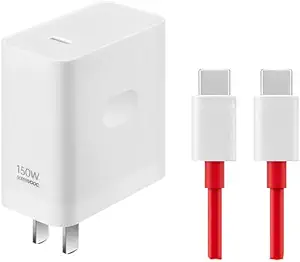
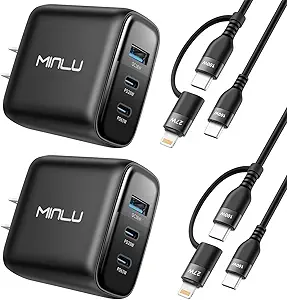
This 65W charger specifically targets Samsung Galaxy and A-series users, but its true value depends on your device's charging protocol support. While advertised for S25 models, its 65W output is only fully utilized by devices supporting USB Power Delivery 3.0 PPS, which many older listed models lack. The included 6-foot cable suggests consideration for bedside or office use where reach matters.
Key Considerations Before Buying
- Verify your specific Samsung model supports 25W, 45W, or 65W charging via PPS, as many A-series and older S-series phones max out at 15W or 25W, making this charger overkill.
- The 65W rating is a peak output; sustained performance depends on thermal management and component quality, which varies significantly among third-party chargers.
- Consider if you need a single-port 65W charger or would benefit more from a multi-port adapter that can charge a phone and another device simultaneously at lower combined wattages.
What Our Analysts Recommend
Genuine quality indicators include clear labeling of supported protocols (PD 3.0, PPS, QC4+) and output profiles (e.g., 5V/3A, 9V/3A, 15V/3A, 20V/3.25A). A robust, non-slip plug design and a cable with thick, durable-looking insulation are positive physical signs. Beware of chargers that feel unusually light, as this can indicate inferior internal components.
Wall Chargers Market Context
Market Overview
The market for Samsung-compatible fast chargers is flooded with third-party options claiming high wattages, often before phones like the S25 are officially released. True 65W PPS chargers remain less common than standard 25W Samsung-compatible models, creating a premium segment where quality varies widely.
Common Issues
Common problems include overheating during sustained 65W output, failure to consistently trigger the fastest charging speeds on compatible devices, and cables that degrade quickly, bottlenecking the charger's potential. Many chargers also lack proper safety certifications like UL, ETL, or CE, posing a risk.
Quality Indicators
Look for mentions of GaN (Gallium Nitride) technology for cooler, more efficient operation at high wattages. Trustworthy brands provide detailed output specifications and list recognized safety certifications. Reviews that mention specific charging times (e.g., '0-50% in 20 minutes on my S24 Ultra') are more credible than vague praise.
Review Authenticity Insights
Grade B Interpretation
A 'B' grade with a 15% estimated fake review rate suggests mostly authentic feedback but warrants caution. The high 5.0 average rating is likely inflated; the adjusted 4.60 rating is more realistic. The verified purchase status of all reviews is a strong positive, increasing the likelihood that feedback is based on actual use.
Trust Recommendation
Focus on reviews that discuss long-term use (beyond a few weeks) and mention compatibility with specific phone models you own. Be skeptical of reviews that only praise generic 'fast charging' without detailing performance metrics or that use nearly identical phrasing to other reviews.
Tips for Reading Reviews
Prioritize reviews that test the charger with a USB-C power meter or mention exact charging percentages over time. Reviews noting whether the phone displays 'Super Fast Charging 2.0' or similar on-screen messages confirm proper PPS protocol handshake, a key performance indicator.
Expert Perspective
This product's primary appeal is its targeted 65W PPS specification for upcoming and current high-end Samsung flagships. The adjusted 4.60 rating from verified purchasers indicates generally positive real-world experiences, though the presence of some suspicious feedback means the perfect 5.0 score is misleading. Its value is highly dependent on owning a device that can leverage its full output, such as an S24 Ultra or future S25 Ultra. For users with mid-range A-series phones, a cheaper 25W charger is a more logical purchase.
Purchase Considerations
Weigh the need for peak 65W speed against the reality that most phones only draw maximum wattage for a brief period when nearly empty. If you frequently charge from a very low battery and own a compatible device, this could be worthwhile. If you typically charge overnight or from a higher battery percentage, a lower-wattage, potentially higher-quality charger may offer better longevity and safety.
Comparing Alternatives
Shoppers should compare this charger's specifications, price, and warranty against established brands like Anker, UGREEN, or Samsung's own 45W charger to assess value.