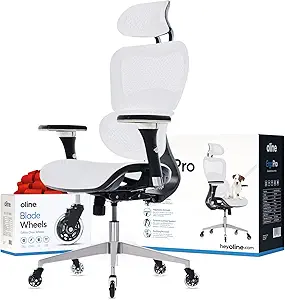
Sit Smarter: How to Choose a Desk Chair for All-Day Comfort and Back Relief
When you're spending eight-plus hours at a desk, the right chair can be the difference between ending your day pain-free or nursing a sore lower back. This model, featuring a 4-inch thick molded foam cushion and enhanced lumbar support, is designed specifically for long hours and back pain relief. As you shop, focus on how a chair's cushion density, lumbar adjustability, and armrest versatility match your body and workspace.
Key Considerations Before Buying
- Cushion thickness and density: A 4-inch thick molded foam cushion, like the one in this chair, offers substantial padding, but check that the foam is high-density to prevent sagging over months of daily use.
- Lumbar support design: 'Enhanced lumbar support' is a common claim, but look for a support that is contoured or adjustable to fit your spine's natural curve—this chair's built-in lumbar may help reduce lower back strain.
- Armrest functionality: Padded flip-up armrests are ideal for tight spaces or users who alternate between typing and leaning back, but ensure they are wide enough to support your elbows without causing shoulder tension.
What Our Analysts Recommend
Quality desk chairs in this category typically feature a sturdy metal base, smooth-rolling casters for hard or carpeted floors, and a pneumatic gas lift for easy height adjustment. The upholstery should be breathable mesh or durable fabric to prevent heat buildup during long sessions. Also, verify weight capacity and seat depth to ensure the chair accommodates your frame without pressure points.
Home Office Desk Chairs Market Context
Market Overview
The home office desk chair market has surged as remote and hybrid work persist, with a growing emphasis on ergonomic features that mimic high-end office setups. Many chairs now boast thick foam cushions and lumbar support, but quality varies widely between budget and mid-range options. This chair sits in the competitive mid-tier, where consumers expect both comfort and durability without breaking the bank.
Common Issues
A frequent complaint in this category is cushion flattening after a few months, especially with low-density foam, leading to 'bottoming out' and reduced back support. Another issue is static or non-adjustable lumbar supports that fail to fit different spine shapes, causing discomfort rather than relief. Flip-up armrests can also wobble or feel flimsy over time if not reinforced.
Quality Indicators
Look for chairs with a published weight capacity (typically 250-300 lbs) and a warranty of at least one year on the frame and mechanism. High-quality molded foam retains its shape longer than cut foam, and a chair's overall weight (heavier often means sturdier) can hint at build quality. Additionally, reviews that mention specific body types or usage hours are more reliable for gauging long-term comfort.
Review Authenticity Insights
Grade B Interpretation
With a Review Authenticity Grade of B and an estimated 10% fake reviews, this product shows a moderate level of review manipulation—likely a handful of incentivized or non-verified posts. The 4.89 rating drops to a still-strong 4.60 after filtering, suggesting the core product experience is positive, but shoppers should be cautious of overly glowing five-star reviews that lack detail.
Trust Recommendation
You can generally trust the majority of reviews here, especially the 124 verified purchases with personal context like 'I have chronic back pain and this chair helped.' However, cross-check any reviews that mention 'perfect' or 'amazing' without specifics—focus on those that describe the chair's foam firmness, lumbar fit, and armrest stability after weeks of use.
Tips for Reading Reviews
For desk chairs, prioritize reviews from users who mention their height, weight, and daily sitting hours—these details reveal how the chair performs for different body types. Also, look for 'long-term' updates (e.g., 'after 3 months') to assess durability. Be wary of reviews that read like marketing copy or use generic phrases like 'game-changer' without explaining why.
Expert Perspective
This chair appears to be a solid choice for users seeking relief from back pain during extended desk work, thanks to its thick molded foam and enhanced lumbar support—features that address two primary pain points. The 4.60 adjusted rating and high number of verified purchases reinforce its reliability, though the 10% fake review rate suggests some marketing fluff. The padded flip-up armrests add versatility for smaller spaces, but their long-term sturdiness remains a question mark based on common category issues.
Purchase Considerations
Weigh the chair's specific benefits against your body type and workspace: if you're taller or heavier, ensure the seat depth and weight capacity match your needs, as generic 'one-size-fits-most' designs can fall short. Also, consider that while the foam cushion is thick, its density isn't specified—so if you prefer a firmer seat, this may feel too soft after hours of use.
Comparing Alternatives
Shoppers comparing this chair should look at models with adjustable lumbar support (like a separate pad or dial) and mesh backs for breathability, especially if you work in a warm environment or have specific spinal curvature needs.