
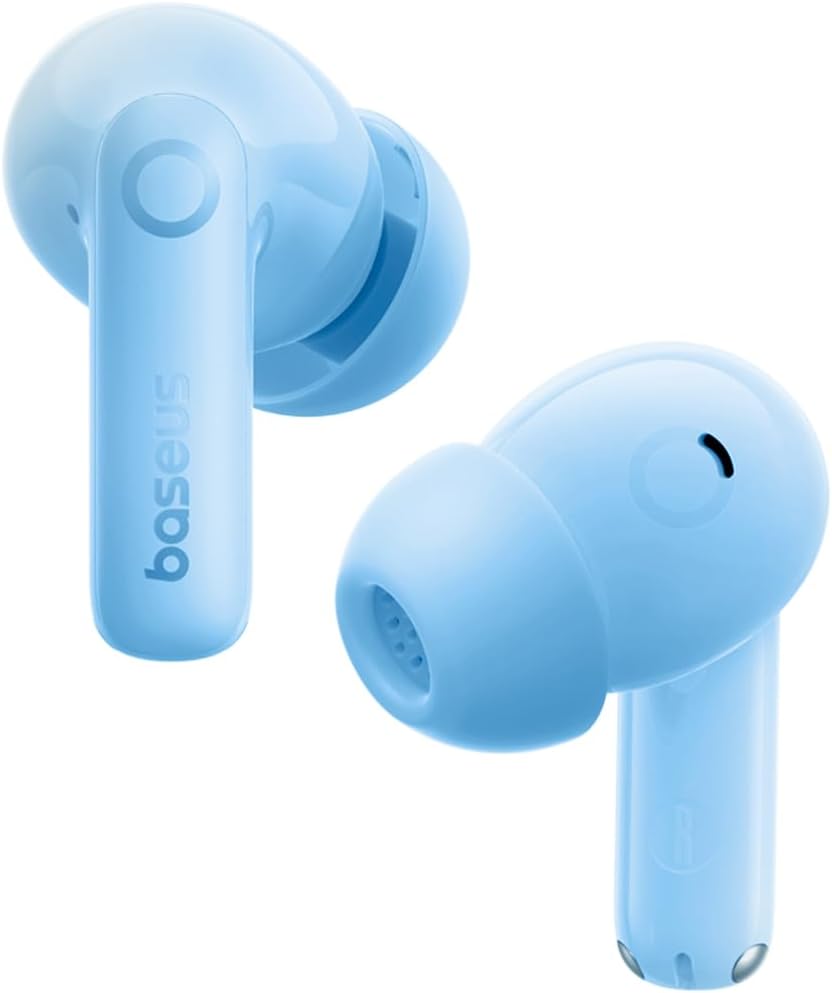
Evaluating Premium ANC Earbuds: What Baseus BP1 Pro's Features Actually Mean
When considering the Baseus Bass BP1 Pro, focus on how its specific feature set—Real-Time Adaptive Noise Cancelling and LDAC Hi-Res support—translates to real-world use. These aren't just marketing terms; they represent a mid-tier price point competing with premium audio brands through technological implementation rather than brand reputation.
Key Considerations Before Buying
- Real-Time Adaptive ANC requires testing in your specific environments—commuting, office, or home—as its effectiveness varies dramatically with background noise patterns.
- LDAC Hi-Res Sound depends heavily on your audio source quality; you'll only benefit if you stream from services like Amazon Music HD or have high-bitrate local files.
- The 55-hour total playtime includes the charging case; assess your daily usage patterns to determine if the 8-10 hour single-charge rating meets your needs between case charges.
What Our Analysts Recommend
For ANC earbuds at this price point, examine how manufacturers implement adaptive algorithms versus static noise cancellation. Quality indicators include specific descriptions of ANC performance in different scenarios (airplane hum vs. office chatter) and whether the EQ adaptation is user-adjustable or fully automated, which affects personalization.
Earbud Headphones Market Context
Market Overview
The $80-$150 wireless ANC earbud segment has become fiercely competitive, with brands like Baseus challenging established players through feature parity at lower prices. The inclusion of LDAC codec support, once exclusive to Sony's premium models, now appears in value-oriented products, changing consumer expectations for high-resolution wireless audio.
Common Issues
Users frequently report inconsistent ANC performance across different environments, with some adaptive systems struggling with sudden noise changes. Battery life claims often don't account for ANC/LDAC usage, which can reduce playtime by 30-40%, and multipoint Bluetooth connectivity remains unreliable across many implementations.
Quality Indicators
Look for detailed technical specifications about driver size (the BP1 Pro uses 10mm dynamic drivers) and microphone array implementation. Genuine quality products provide specific IP rating details (IP55 indicates dust and water resistance levels) rather than vague 'sweat-proof' claims, and transparently disclose codec support limitations.
Review Authenticity Insights
Grade B Interpretation
A Grade B authenticity rating with 11% estimated fake reviews suggests mostly genuine feedback but warrants careful review scrutiny. This percentage is moderate for the electronics category, indicating some incentivized reviews may be present but not enough to completely distort the overall 4.6 adjusted rating.
Trust Recommendation
Prioritize verified purchase reviews that mention specific use cases matching yours, particularly regarding ANC performance in noisy environments. The 0.29-point drop from the displayed 4.89 to adjusted 4.60 rating suggests some inflated scoring, so focus on detailed 3-4 star reviews for balanced perspectives.
Tips for Reading Reviews
Search for reviews mentioning 'adaptive ANC' performance specifically during transitions between environments, and look for LDAC implementation notes—genuine users often describe pairing issues or battery drain when using this high-bitrate codec. Avoid reviews that only praise generic features without context.
Expert Perspective
The Baseus BP1 Pro represents a compelling value proposition in the competitive ANC earbud market, particularly for users prioritizing LDAC support and adaptive features at a mid-range price. The strong adjusted rating of 4.60 from genuine reviews indicates solid user satisfaction, though the authenticity analysis suggests some review inflation exists. The product's technical specifications—particularly the 6-mic array for calls and IP55 rating—exceed typical offerings in this price bracket, while the real-time adaptive ANC implementation appears to be its defining feature rather than an afterthought.
Purchase Considerations
Weigh the importance of LDAC support against your actual audio sources; if you primarily use standard Bluetooth codecs, competing products might offer better ANC performance. Consider whether adaptive EQ—which adjusts sound based on your ear canal—aligns with your preference for consistent audio signatures versus personalized optimization.
Comparing Alternatives
Compare the BP1 Pro's adaptive features against similarly priced offerings from Soundcore, EarFun, and 1More, focusing on real-world ANC performance rather than just specification sheets.


