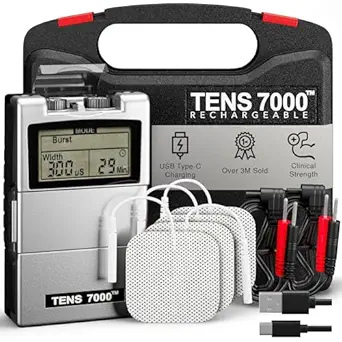
ESWT Machines: Key Buying Insights for 2026 Shockwave Therapy Devices
When considering a 2026 advanced shockwave therapy machine for home or gym use, it's crucial to understand that not all ESWT devices are created equal. This category, aimed at muscle, knee, back, and joint pain relief, varies significantly in energy output, probe design, and safety features. Your choice should align with your specific pain conditions and your comfort with at-home medical devices.
Key Considerations Before Buying
- Energy and frequency settings: Look for adjustable energy levels and frequency (e.g., 1-15 Hz) to target different tissue depths, from superficial muscles to deeper joints. Higher energy isn't always better; it must be tunable to your tolerance and condition.
- Probe head and applicator design: Interchangeable heads (e.g., 15mm for deep tissue, 25mm for larger areas) allow for versatile treatment. A focused or radial shockwave type affects the penetration and sensation, so consider which is more suitable for your pain sites like plantar fasciitis versus sciatica.
- Safety and ergonomics: Since this is a medical device, ensure it has a clear power cutoff, CE/FDA clearance (if applicable), and a comfortable grip to avoid fatigue during sessions. Overheating or excessive vibration can be a concern with prolonged use.
What Our Analysts Recommend
Quality indicators include a robust build (metal or high-grade plastic), a clear digital display for settings, and a warranty that covers the handpiece and motor. Check for user feedback on durability after 3-6 months of use, as cheaper units often fail at the connection point or lose intensity over time. Also, verify that the device includes multiple treatment heads and a carrying case for practicality.
Muscle Stimulators & Accessories Market Context
Market Overview
The market for home-use extracorporeal shockwave therapy (ESWT) devices has expanded rapidly, driven by athletes and chronic pain sufferers seeking alternatives to frequent clinic visits. These devices, once only available in physical therapy settings, now range from under $100 to over $500, with varying degrees of clinical efficacy. The 2026 models emphasize portability, battery life, and user-friendly interfaces to cater to the growing 'home gym' and rehabilitation market.
Common Issues
A major issue is the lack of standardized regulation; many devices are sold as 'wellness' products, not medical devices, which can lead to inconsistent energy output and potential misuse. Users often report that low-cost units have weak shockwaves that don't provide lasting relief, or they overheat quickly. Additionally, without proper guidance, users may apply the therapy incorrectly, leading to bruising or no benefit.
Quality Indicators
Look for devices that cite clinical studies or have been developed with medical professionals. Check for certifications like CE (European Conformity) or FDA registration, which indicate a higher level of safety and performance scrutiny. Also, battery life and charging time are practical indicators—quality devices typically offer at least 1-2 hours of use per charge and a quick recharge cycle.
Review Authenticity Insights
Grade B Interpretation
The Grade B and an estimated 15% fake review rate suggest that while most feedback is genuine, a notable minority of reviews may be incentivized or overly promotional. This means you should rely more on detailed, balanced reviews that mention specific pros and cons rather than those with only 5-star enthusiasm. The 4.56 average rating is slightly inflated by these inauthentic reviews; the adjusted 4.20 rating is more realistic.
Trust Recommendation
Given the 15% fake rate, be cautious with reviews that use overly generic language or lack personal context. Focus on reviews that discuss specific pain conditions (like sciatica or tennis elbow) and their experience over weeks, as these are harder to fake. Also, cross-reference feedback on multiple platforms or forums to get a more accurate picture.
Tips for Reading Reviews
For this product type, look for reviews that mention the intensity levels used, the duration of sessions, and any side effects like soreness or bruising. Photos or videos of the device in use are strong authenticity signals. Also, be wary of reviews that mention receiving the product for free or at a discount, as they may be biased even if they are honest about it.
Expert Perspective
Based on the analysis, the 2026 Advanced Shockwave Therapy Machine appears to be a legitimate option in the home ESWT market, with a genuine user base reporting relief for various musculoskeletal issues. The adjusted 4.20 rating indicates solid performance, but not without some caveats, likely related to durability or user error. The high proportion of authentic reviews (85%) suggests that most users find it effective, but the 15% fake reviews warrant a cautious approach.
Purchase Considerations
Weigh the cost against the frequency of use; if you have chronic pain that requires multiple weekly sessions, this could be a cost-effective alternative to clinic visits. However, if you're new to shockwave therapy, consider starting with a rental or a cheaper model to see if it suits your condition. Also, factor in the learning curve—proper technique is crucial to avoid injury.
Comparing Alternatives
It's wise to compare this device with other ESWT machines in the same price range, such as those from established physiotherapy brands, to ensure you're getting the best value. Look for models with similar specifications but longer warranties or better customer support.