Choosing the Right Aluminum Fore & Aft Slider for Your Boat's Seating System
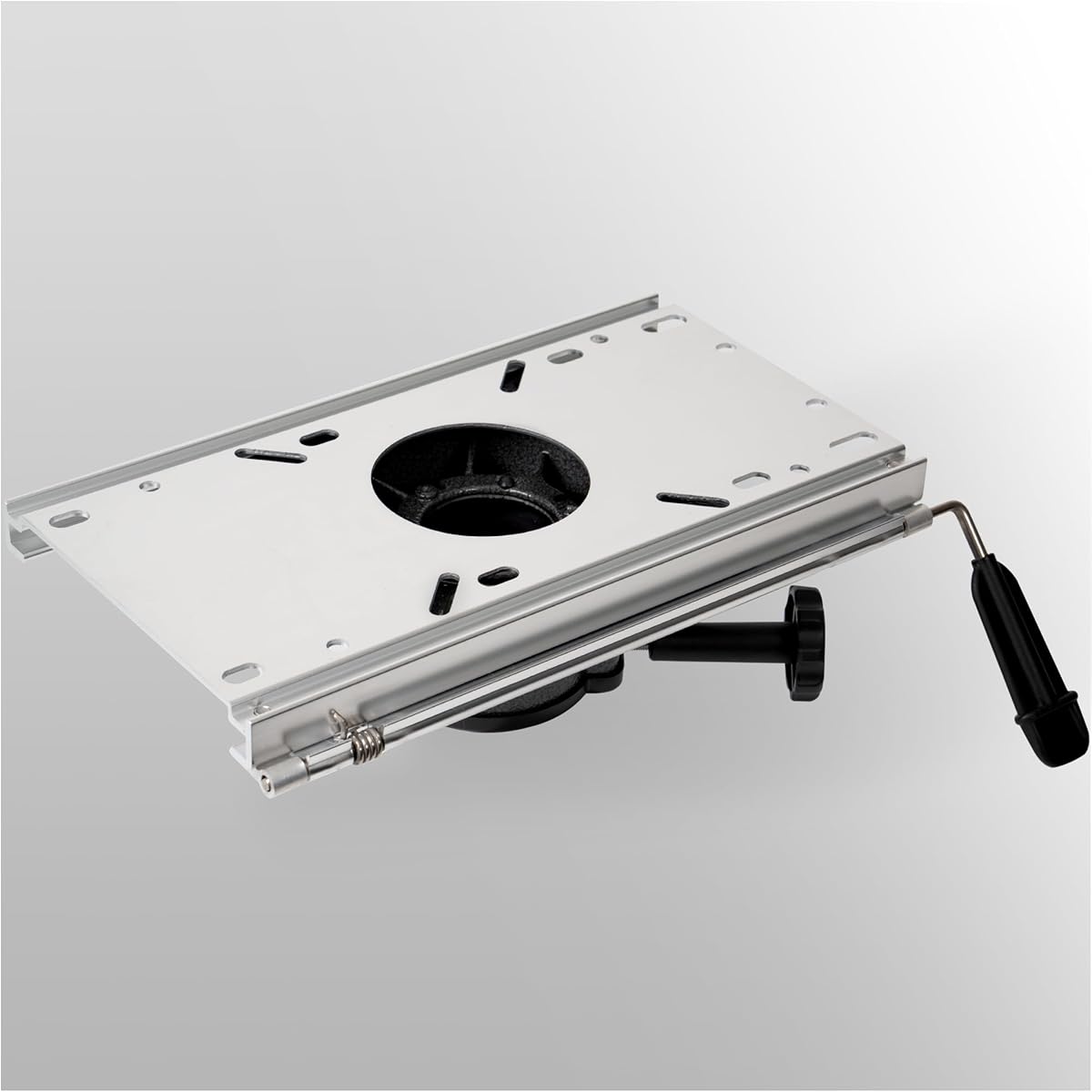
Fore and aft sliders are specialized marine hardware that allow boat seats to move forward and backward along tracks, unlike side-to-side sliders. For this specific aluminum model, buyers should understand how its corrosion resistance, weight capacity, and mounting compatibility with existing pedestals will impact installation and durability in marine environments.
Key Considerations Before Buying
- Verify the slider's mounting hole pattern matches your existing seat pedestal base—marine pedestals use standardized but varied bolt patterns that aren't always universal.
- Assess whether the aluminum construction is marine-grade (typically 6061-T6) or anodized, as this determines saltwater corrosion resistance versus cheaper alloys that may oxidize.
- Check the locking mechanism's design; fore/aft sliders require positive locks that won't disengage under wave impact, unlike casual-positioning sliders.
What Our Analysts Recommend
Quality aluminum sliders feature sealed ball bearings or polymer bushings in the track system to prevent salt intrusion and binding. Look for stainless steel hardware throughout, especially in the locking pins and springs, as these are high-wear points that fail first with inferior materials.
Seating Accessories Market Context
Market Overview
The marine seat slider market is segmented between universal-fit models and OEM-specific designs, with aluminum units commanding a premium over steel for weight savings and corrosion benefits. Recent trends show increased demand for low-profile sliders that maintain seating height while adding adjustability.
Common Issues
Buyers frequently encounter sliders with incompatible bolt patterns, insufficient locking force that allows seat drift, and non-marine fasteners that rust within a single season. Poorly machined tracks can also bind when grit or salt accumulates.
Quality Indicators
Superior sliders use precision-milled aluminum extrusions with smooth, deburred channels. The locking mechanism should engage with an audible click and minimal play, and the unit should include a corrosion-resistant finish like hard anodizing rather than simple paint.
Review Authenticity Insights
Grade B Interpretation
A Grade B authenticity rating with an 11% estimated fake review rate indicates the majority of feedback is reliable, but shoppers should remain slightly cautious of overly glowing reviews. The adjusted 4.40/5 rating (down from 4.63) suggests some inflation but still reflects strong genuine satisfaction.
Trust Recommendation
Prioritize reviews that mention specific installation details, long-term use in saltwater, or compatibility with particular boat brands like Lund, Tracker, or Boston Whaler. Verified purchase reviews are especially valuable here, as they confirm the reviewer actually installed the hardware.
Tips for Reading Reviews
Look for reviews discussing the slider's performance in rough water or its fit with specific pedestal models—these details are rarely fabricated. Be skeptical of reviews that praise generic 'quality' without mentioning marine-specific use cases or durability over time.
Expert Perspective
This aluminum fore/aft slider's strong adjusted rating (4.40/5) from predominantly authentic reviews suggests it delivers reliable performance for most users. The aluminum construction is a key advantage for saltwater boaters seeking corrosion resistance without the weight of stainless steel. The product appears to satisfy a common need for adjustable seating positioning, particularly for helm and fishing seats where precise fore/aft positioning affects control and comfort.
Purchase Considerations
Weigh the aluminum's corrosion benefits against potentially higher cost compared to steel alternatives. Consider whether your usage justifies the upgrade—freshwater boaters might find coated steel adequate, while coastal users will benefit from aluminum's saltwater tolerance. Ensure your pedestal base has the clearance for the slider's added height.
Comparing Alternatives
Shoppers should compare this unit's specific dimensions and locking mechanism with other marine-grade sliders, as even minor design differences affect installation and ergonomics.