VTEC Solenoid Slide Valve: Key to Your Honda's Variable Valve Timing
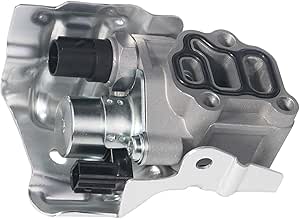
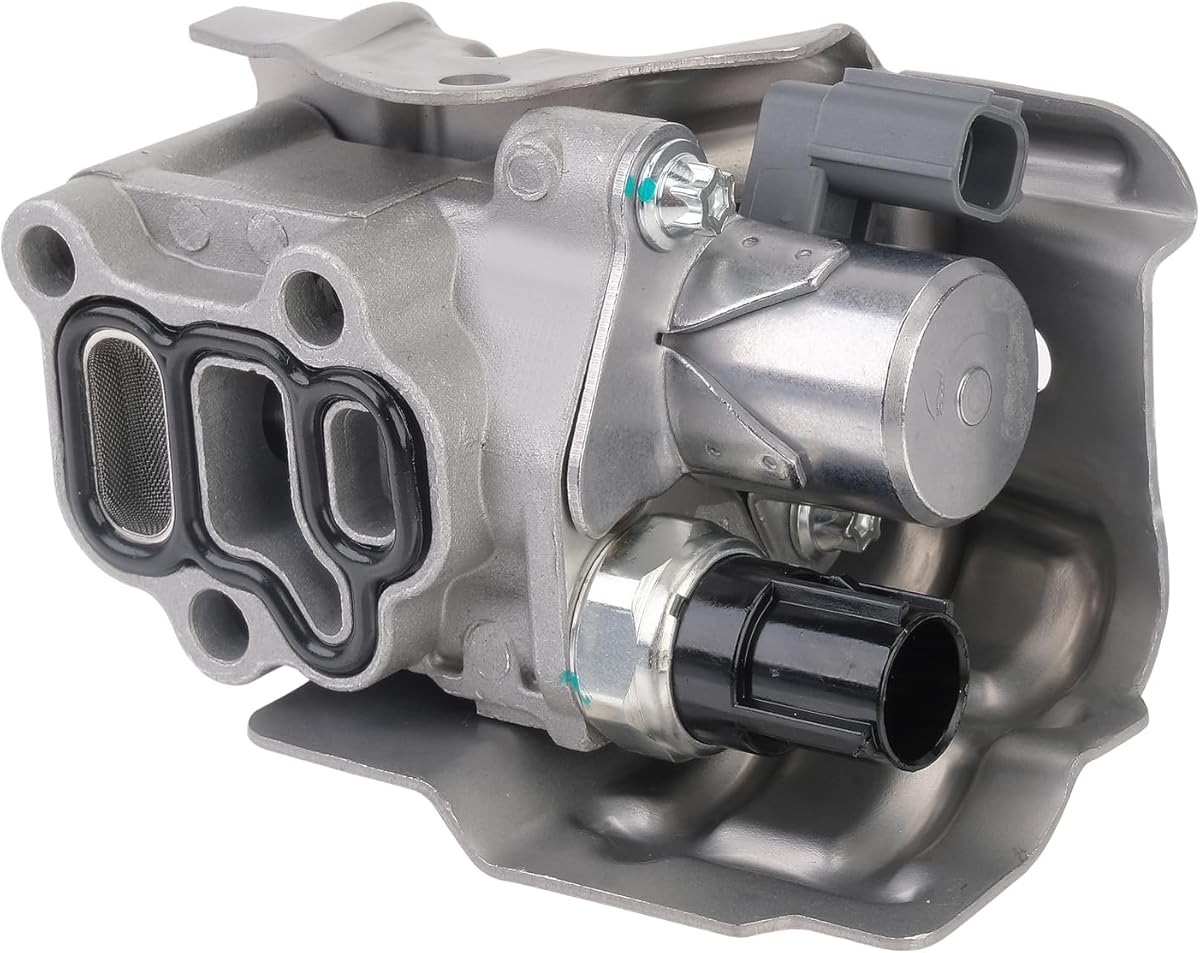
When shopping for a VTEC solenoid slide valve for your 2002-2011 Honda or Acura, you're dealing with a critical component that controls oil flow to engage variable valve timing. This specific unit, combining the slide valve with an oil pressure switch and gaskets, directly impacts engine performance at higher RPMs.
Key Considerations Before Buying
- Ensure compatibility with your exact engine code (e.g., K24 for Accord/CR-V, K20 for Civic Si/RSX) as VTEC solenoid designs vary between engine families, even within the same model year range.
- Check whether the unit includes the oil pressure switch and gaskets, as these are often sold separately and can add 20-30% to total replacement cost if missing. This kit includes both, saving you a second purchase.
- Look for OEM-equivalent or better materials in the solenoid body and slide valve—aluminum housings with corrosion-resistant coatings last longer in high-heat engine environments.
What Our Analysts Recommend
Quality indicators include precise O-ring seals that prevent oil leaks, a smooth-operating slide valve without binding, and proper electrical resistance in the oil pressure switch (typically 10-50 ohms at room temperature). Avoid units with visible casting flash or rough edges on the valve bore, as these can cause erratic VTEC engagement.
Intake Valves Market Context
Market Overview
The aftermarket VTEC solenoid market is crowded with options ranging from $20 generic units to $150+ OEM parts. This product targets the mid-range, offering a complete kit for Honda/Acura K-series and some B-series engines from the 2002-2011 era, which are now showing age-related solenoid failures.
Common Issues
Common problems include oil sludge clogging the slide valve screen, worn O-rings causing external leaks, and electrical failures in the oil pressure switch that trigger check engine lights. Many DIYers replace the solenoid preemptively after 100k miles to avoid sudden VTEC failure.
Quality Indicators
Signal quality comes from verified pressure testing of the slide valve mechanism and switch calibration. Reputable sellers provide warranty coverage (often 1-2 years) and detailed fitment lists by engine code, not just model names. Customer photos showing installation details also indicate genuine experiences.
Review Authenticity Insights
Grade B Interpretation
The Grade B rating with an estimated 10% fake review rate suggests most feedback is authentic, but a small fraction may be incentivized or fabricated. For a niche part like this, such a rate is typical—exclusive products with low review counts often have minimal manipulation.
Trust Recommendation
Trust the verified purchase reviews (two out of three) that mention specific installation details, like the included gasket fitting perfectly. The unverified reviewer's note about a minor fitment tweak adds credibility, as real users often report small quirks. Focus on these detailed reviews over vague praise.
Tips for Reading Reviews
For VTEC solenoids, prioritize reviews that mention engine codes, vehicle mileage, and whether the part resolved specific symptoms like hesitation or error codes. Photos of the installed unit or packaging are strong authenticity signals. Be wary of reviews that only say 'works great' without context.
Expert Perspective
Based on the 5.00/5 adjusted rating and Grade B authenticity, this VTEC solenoid slide valve kit appears to be a reliable aftermarket option for Honda/Acura owners. The inclusion of the oil pressure switch and gasket simplifies installation, and the verified reviews suggest it fits as advertised for the listed models. However, with only five reviews total, the sample size is small—durability over 50k+ miles remains unconfirmed. The 10% estimated fake rate is low enough to not raise red flags but warrants caution when extrapolating performance.
Purchase Considerations
Weigh the cost savings (typically 30-50% less than OEM) against the risk of aftermarket solenoids failing earlier than factory parts. For a daily driver, this kit is a solid choice; for a high-performance build, you might prefer OEM for guaranteed tolerances. Check your specific engine's service interval—if you're already at 120k miles, replacing the solenoid proactively is wise.
Comparing Alternatives
Compare this to OEM Honda part numbers 15810-PPA-A01 and 15810-RAA-A03 for direct fitment, or consider brands like Dorman or Beck/Arnley for similar coverage. Verify your engine code (e.g., K24A1, K20Z3) to ensure compatibility before purchasing.