
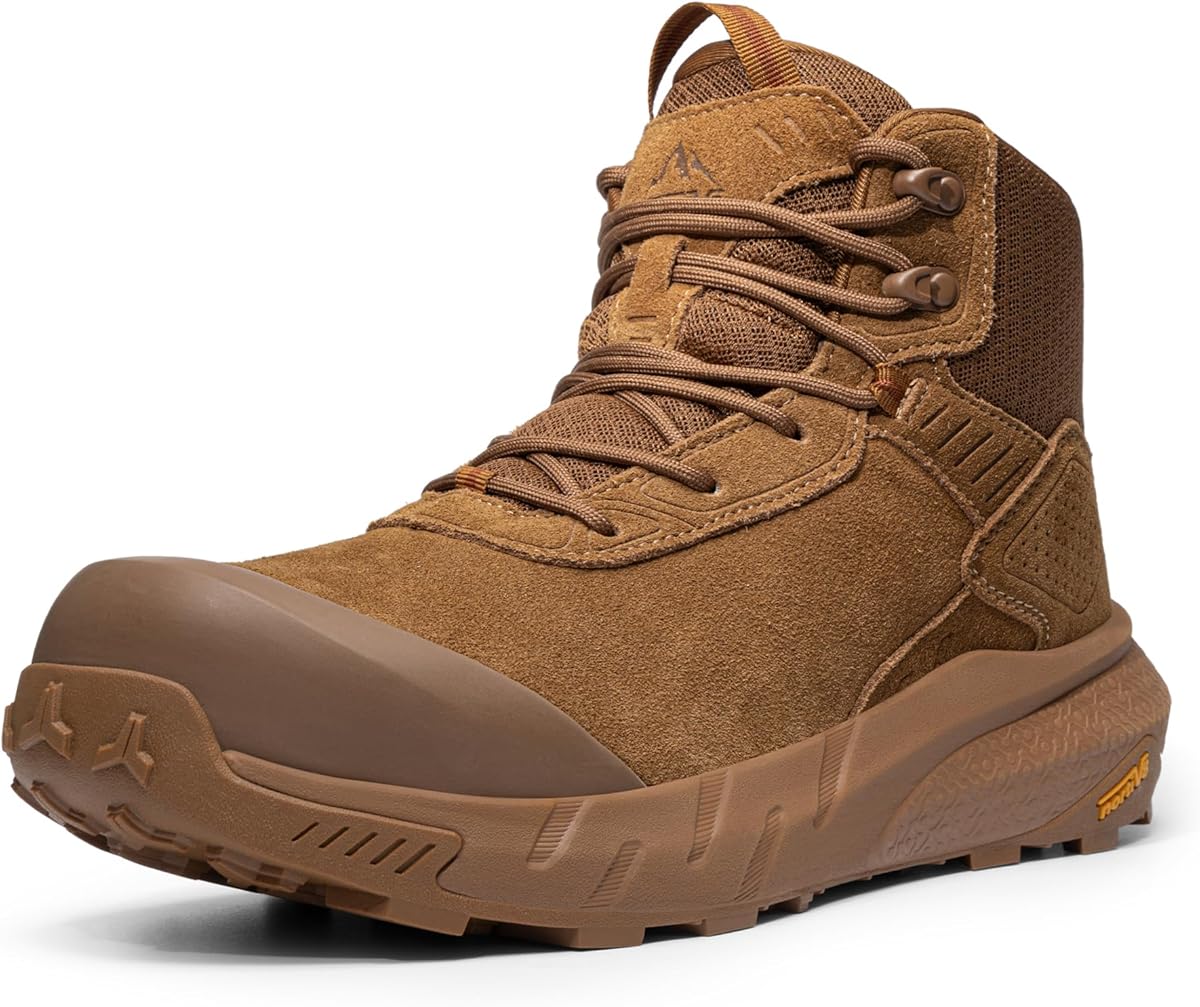
Choosing Composite Toe Work Boots: Balancing ASTM Certification with Daily Comfort
When evaluating the NORTIV 8 Composite Toe Boots, focus on how its specific ASTM F2412-24 and F2913-24 certifications translate to real-world warehouse and construction use. The VaporGuard-Nano waterproofing technology and lightweight composite toe represent a particular engineering approach that prioritizes all-day wearability alongside safety compliance.
Key Considerations Before Buying
- The ASTM F2412-24 standard certifies impact and compression resistance for the composite toe, but the boot's overall fit and weight distribution determine how that protection feels during a 10-hour shift.
- Waterproof claims via VaporGuard-Nano must be assessed against the boot's breathability; a fully sealed membrane can trap heat if not paired with adequate moisture-wicking lining.
- The 'non-slip' outsole's performance varies dramatically between surfaces like polished warehouse concrete, oily shop floors, and loose construction debris—look for reviews mentioning your specific work environment.
What Our Analysts Recommend
Examine the boot's construction where the upper meets the sole; quality molded or stitched welts resist separation under lateral stress. For waterproof integrity, check that the tongue is gusseted or fully attached to prevent water ingress. The composite toe's internal padding should be substantial enough to prevent pressure points on the instep.
Industrial & Construction Boots Market Context
Market Overview
The industrial boot market is increasingly segmented between premium brands emphasizing durability and value-focused options like NORTIV 8 that prioritize immediate comfort and essential certifications at lower price points. The push for lightweight composite toes reflects a broader industry shift away from traditional, heavier steel toes.
Common Issues
In this category, premature sole wear on the heel or ball of the foot is frequent, as is breakdown of waterproof seals around flex points. Many boots achieve ASTM certification but suffer from poor arch support or insufficient cushioning, leading to fatigue unrelated to safety protection.
Quality Indicators
Beyond ASTM labels, inspect the density of the midsole foam—it should resist collapsing under thumb pressure. Quality boots use abrasion-resistant stitching (often with contrasting thread for visibility) on high-stress zones like the pull loops and ankle collars. A well-defined heel counter that's firm to the touch indicates better ankle stability.
Review Authenticity Insights
Grade B Interpretation
A Grade B authenticity rating with an 11% estimated fake review rate suggests the vast majority of feedback is genuine, but a small portion of reviews may be artificially positive. This is relatively common for value-oriented work boots where incentivized reviews sometimes exaggerate durability claims.
Trust Recommendation
Prioritize reviews that mention specific, verifiable details like 'wearing these for 3 months on a concrete warehouse floor' or that compare the break-in period to other known brands. Be slightly more skeptical of reviews that only praise the price without detailing performance over time.
Tips for Reading Reviews
For work boots, focus on reviews from verified purchasers that describe the break-in process, how the waterproofing held up after multiple exposures, and any changes in comfort after 30+ days of use. Look for photos showing actual wear patterns on the sole and creasing in the leather or synthetic upper.
Expert Perspective
The NORTIV 8 boots present a compelling value proposition, with a genuine 4.2 adjusted rating indicating strong user satisfaction for their price segment. The specific mention of ASTM F2412-24 & F2913-24 compliance is crucial—it confirms certification to the latest 2024 standards, not older versions. The high volume of authentic reviews discussing immediate comfort and true-to-size fit suggests the manufacturer has addressed common fit issues plaguing budget safety boots. However, the product's positioning means longevity expectations should be calibrated differently than for premium $250+ boots.
Purchase Considerations
Weigh the importance of immediate out-of-box comfort and current ASTM standards against potential long-term durability questions inherent in this price tier. These boots are particularly suitable for workers who prioritize lightweight protection and waterproofing for warehouse, light construction, or maintenance roles, but may not be optimal for extreme abrasion environments like heavy demolition.
Comparing Alternatives
Shoppers should compare the boot's specific weight (often 2-3 lbs per boot), toe box width, and depth of tread pattern against competitors like Timberland PRO or Keen Utility in similar price ranges.


