Choosing an Extra-Thick Yoga Mat: When Half-Inch Cushioning Makes Sense
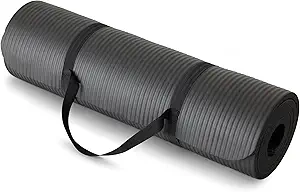
This 1/2-inch thick, 70"x24" mat represents a specific niche in the yoga mat market, prioritizing joint cushioning and multi-use versatility over portability. Buyers should understand that this thickness is ideal for Pilates, floor exercises, or sensitive joints, but adds significant bulk compared to standard 1/4-inch mats.
Key Considerations Before Buying
- The 1/2-inch thickness provides superior comfort for knees and spine during floor work, but reduces ground-feel stability for balancing poses like Tree or Warrior III.
- A 70-inch length accommodates taller users for full supine stretches, but the 24-inch width is standard; broader-shouldered individuals may want a wider mat for certain poses.
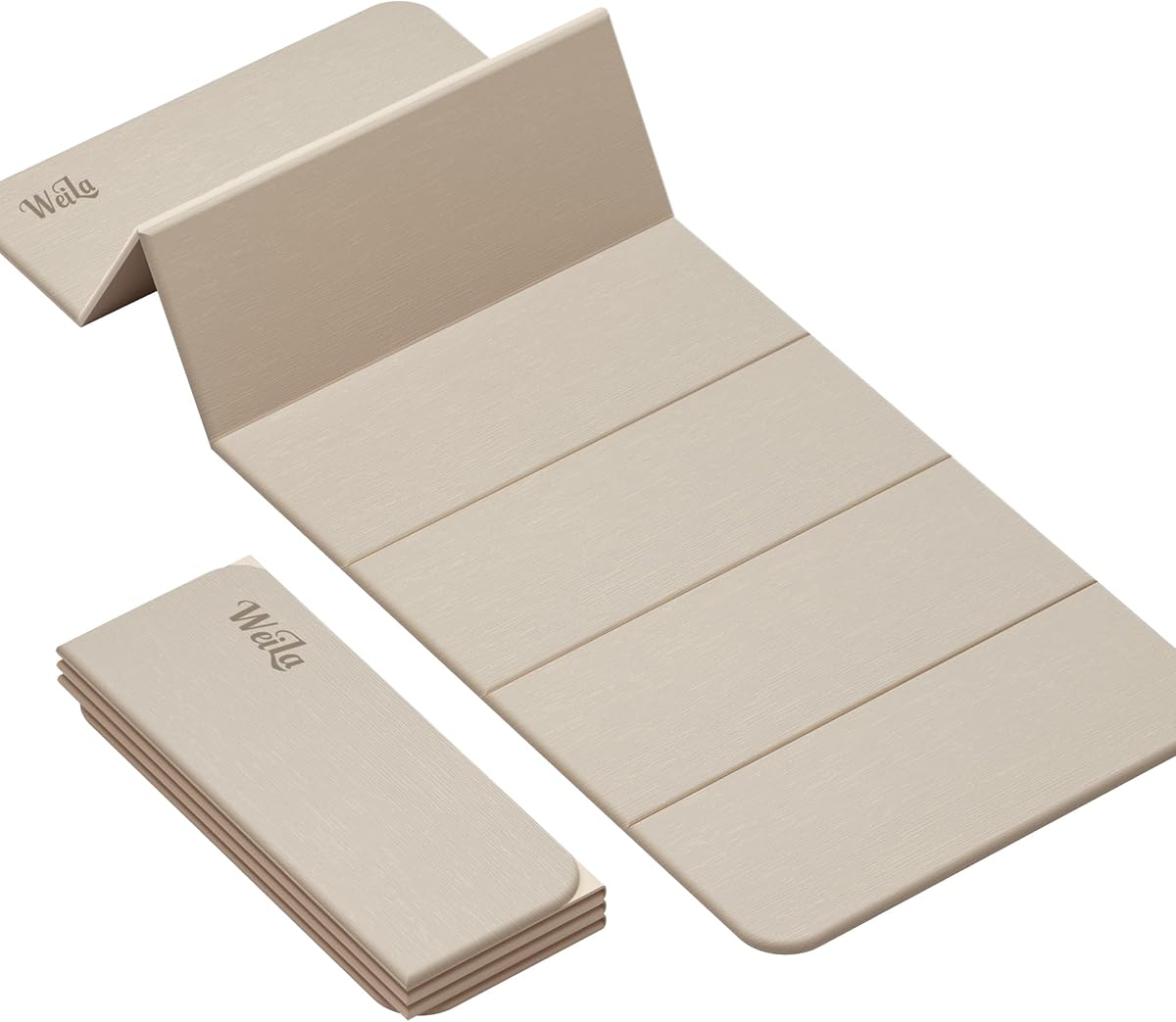
- The 'foldable for travel' claim is relative; this mat's thickness creates a bulky package when folded, making it better for car travel than a packed suitcase.
What Our Analysts Recommend
For a mat this thick, the density of the foam is crucial—it must resist bottoming out under elbows or knees. Examine reviews for mentions of long-term compression. A true odorless claim is vital with thick foam, as cheaper materials can off-gas plasticizers.
Mats Market Context
Market Overview
The extra-thick mat segment has grown, driven by home fitness enthusiasts seeking comfort on hard floors. These mats compete with interlocking foam tiles, offering a seamless surface but less modularity.
Common Issues
Thick mats often struggle with consistent non-slip performance on both sides; the bottom may slide on hardwood, while the top may become slick with sweat. Another frequent issue is permanent creasing along fold lines over time.
Quality Indicators
Look for dual-textured surfaces (a grippy top pattern and a bottom suction pattern) and closed-cell foam construction, which prevents moisture absorption and aids the odorless claim. Sealed edges also prevent delamination.
Review Authenticity Insights
Grade B Interpretation
A 'B' grade with an 11% estimated fake review rate suggests generally reliable feedback, but advises caution with overly effusive 5-star reviews that lack specific details. The adjusted rating of 4.20, down from 4.44, indicates some rating inflation.
Trust Recommendation
Prioritize verified purchase reviews that detail long-term use over several months, specifically commenting on foam resilience and non-slip performance after washing. Be skeptical of reviews that only praise packaging or delivery speed.
Tips for Reading Reviews
For this product, focus on reviews mentioning specific activities like Pilates reformer exercises, yoga on concrete, or use as a camping pad. These contextual details indicate genuine use-case testing rather than generic praise.
Expert Perspective
The product data suggests a mat that successfully fulfills its primary promise of cushioning, with authenticity metrics indicating mostly credible user satisfaction. The high rating amidst a moderate fake review percentage implies the core product performance—thickness and initial comfort—meets expectations. However, the gap between the raw and adjusted ratings hints that durability or long-term grip may be slightly less stellar than the top reviews claim.
Purchase Considerations
Weigh your need for cushioning against storage space and your primary exercise style. This mat is an excellent choice for restorative yoga, postnatal fitness, or garage gym flooring, but a suboptimal choice for dynamic vinyasa flows or daily commuting to a studio.
Comparing Alternatives
Shoppers should compare the portability and price-per-square-inch of this single mat against a set of interlocking foam tiles for larger home gym areas.