Find Real Posture Relief: Key Tips for Choosing a Back Brace
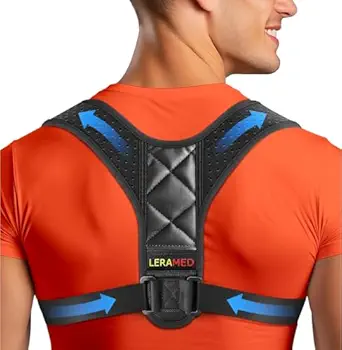
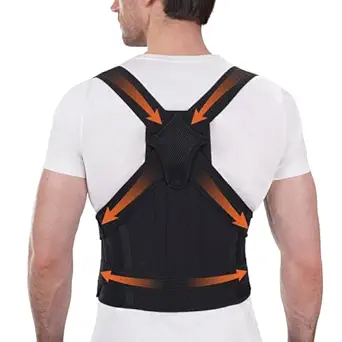
When browsing posture correctors like this adjustable back brace for men and women, you're likely seeking relief from neck, shoulder, or back pain caused by slouching, scoliosis, or a hunchback. This guide helps you navigate key features—from fit and adjustability to material breathability—so you can select a brace that truly supports your spine without causing discomfort.
Key Considerations Before Buying
- Sizing is critical: This brace comes in Medium, so measure your chest or waist circumference accurately. A too-loose brace won't provide adequate support, while one that's too tight can restrict breathing or cause skin irritation.
- Adjustability matters: Look for straps that allow you to control tension levels. A brace with multiple adjustment points (like this one's shoulder and back straps) lets you customize the pull for gradual posture correction without overstraining.
- Material and breathability: Since you'll wear it for hours, choose a brace with moisture-wicking fabric or perforated neoprene to prevent sweating. This is especially important for all-day use during work or daily activities.
What Our Analysts Recommend
Quality posture correctors typically feature rigid yet flexible stays (like molded plastic or metal inserts) that gently guide your shoulders back without digging in. Check for padded straps and a contoured back panel to distribute pressure evenly. Also, ensure the brace is discreet enough to wear under clothing if you plan to use it in public settings.
Back Braces Market Context
Market Overview
The posture corrector market has expanded rapidly, with dozens of brands offering adjustable braces for back, neck, and shoulder pain. Many products target common issues like desk slouching or thoracic kyphosis, but quality varies widely in terms of material durability and ergonomic design.
Common Issues
A frequent complaint among users is that braces slip out of position during movement or cause chafing under the arms. Others find the correction too aggressive, leading to muscle soreness or difficulty breathing if the brace is overtightened. Consistency in daily use is also a challenge—many users abandon braces after a few weeks.
Quality Indicators
High-quality posture correctors often feature adjustable, non-elastic straps that maintain tension, breathable mesh panels to reduce heat buildup, and a lightweight design that doesn't restrict arm movement. Look for products with clear sizing guides and multiple size options to ensure a proper fit.
Review Authenticity Insights
Grade B Interpretation
With a Review Authenticity Grade of B and an estimated 10% fake review rate, this product shows mostly genuine feedback. The adjusted rating of 3.70 out of 5 suggests that while most reviews are real, a small portion may be inflated, slightly lowering the overall trust score.
Trust Recommendation
You can generally trust the consensus from verified purchasers here, but focus on reviews that mention specific fit issues or long-term use. Since 10% of reviews may be unreliable, cross-check common complaints (like strap slipping) across multiple reviews to confirm patterns.
Tips for Reading Reviews
For posture correctors, prioritize reviews from buyers who describe their body type and activity level—these give the most relevant insights. Also, look for 'Verified Purchase' tags and detailed feedback about comfort during extended wear, as these are strong signs of authenticity.
Expert Perspective
This posture corrector offers a solid entry-level solution for men and women seeking relief from hunchback or shoulder tension, backed by a moderate 3.89-star rating from over 300 reviews. The adjustable design and focus on thoracic support align with common ergonomic needs, but the B-grade authenticity and 10% fake review rate suggest some skepticism is warranted. Users report mixed results on long-term comfort, with fit being a key differentiator.
Purchase Considerations
Consider this brace if you have a medium build and need a budget-friendly option for occasional use, but be prepared to adjust straps frequently for a secure fit. If you have severe scoliosis or chronic pain, you may want a medical-grade brace with more rigid support or consult a specialist.
Comparing Alternatives
Before buying, compare this brace with other adjustable models that offer wider size ranges or additional lumbar support. Reading reviews on similar products can help you identify which features—like breathable fabric or padded straps—are most important for your daily routine.