WiFi 7 routers demand multi-gig ports and robust VPN support for future-proofing
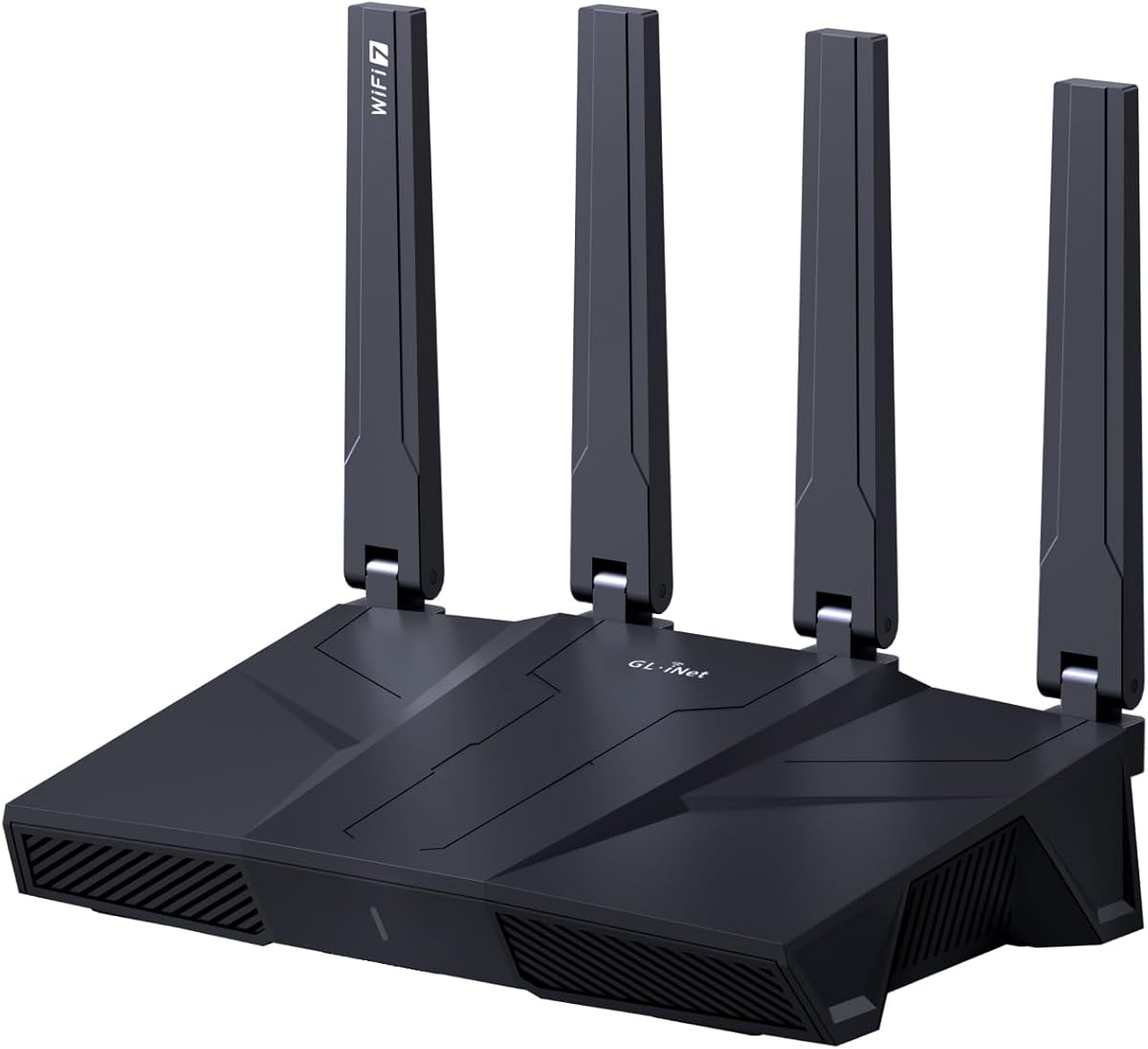
The GL.iNet Flint 3 positions itself as an early WiFi 7 router with five 2.5G ports and built-in VPN capabilities, targeting users who prioritize both raw speed and network security. Unlike many consumer routers, this model emphasizes open-source firmware flexibility alongside its 6GHz band support, making it a hybrid solution for tech-savvy households and small businesses.
Key Considerations Before Buying
- The five 2.5G Ethernet ports are unusual for consumer routers and essential if you have multi-gig fiber internet or plan to use wired backhaul for mesh systems.
- Built-in VPN server/client functionality with WireGuard and OpenVPN support makes this router particularly valuable for remote work security or accessing geo-restricted content without device-by-device configuration.
- WiFi 7's 6GHz band offers less interference but requires compatible client devices (like newer smartphones/laptops) and has shorter range penetration through walls than 5GHz or 2.4GHz bands.
What Our Analysts Recommend
For WiFi 7 routers like the Flint 3, verify that the 2.5G ports support both WAN and LAN configurations to maximize fiber internet plans. Check for consistent firmware updates from the manufacturer, as early WiFi 7 implementations often require stability improvements. Genuine reviews should mention specific throughput tests with multi-gig connections, not just general 'fast internet' comments.
Routers Market Context
Market Overview
The WiFi 7 router market is emerging with premium pricing, focusing on early adopters who need 6GHz spectrum for congestion-free connections and MLQ (Multi-Link Operation) for reduced latency. GL.iNet occupies a niche between consumer brands like ASUS/Netgear and enterprise solutions by combining open-source software with cutting-edge hardware.
Common Issues
Early WiFi 7 routers often suffer from firmware instability, incomplete feature implementation, and compatibility issues with older client devices. Many users overpay for 6GHz capabilities they can't utilize fully, while others encounter heat management problems with multi-gig throughput sustained over time.
Quality Indicators
Look for routers with adequate heat dissipation designs (like the Flint 3's vented casing), detailed QoS settings for gaming/streaming prioritization, and manufacturer transparency about WiFi 7 feature roadmaps. Quality units maintain stable connections across all three bands simultaneously without requiring frequent reboots.
Review Authenticity Insights
Grade B Interpretation
A Grade B with 11% estimated fake reviews suggests generally reliable feedback with some promotional content likely emphasizing technical specs over real-world performance. The 4.60 adjusted rating (from 4.89) indicates genuine satisfaction remains high after removing suspicious reviews.
Trust Recommendation
Focus on verified purchase reviews that discuss specific use cases like VPN throughput speeds or 2.5G port configuration, as these demonstrate actual hands-on experience. Be skeptical of reviews that only praise general 'fast WiFi' without mentioning device compatibility or testing methodology.
Tips for Reading Reviews
Prioritize reviews that mention firmware version numbers, as GL.iNet routers receive frequent OpenWrt-based updates that significantly impact performance. Look for discussions about the 6GHz band's effective range in different home layouts, which indicates thorough testing rather than superficial impressions.
Expert Perspective
The Flint 3's combination of five 2.5G ports and robust VPN support makes it a standout for users with multi-gig internet subscriptions or advanced networking needs, though its WiFi 7 capabilities will be underutilized by households without compatible devices. The high adjusted rating (4.60) from predominantly technical users suggests it delivers on its core promises of speed and configurability. However, as an early WiFi 7 implementation, some buyers may experience growing pains with firmware maturity compared to established WiFi 6E alternatives.
Purchase Considerations
This router justifies its premium price if you specifically need multiple 2.5G wired connections for NAS devices or workstations, or require built-in VPN server functionality without third-party firmware flashing. Consider waiting if your current devices don't support 6GHz or if your internet plan is below 1Gbps, as you won't leverage the hardware's full potential.
Comparing Alternatives
Compare the Flint 3's open-source approach against proprietary systems like ASUS's gaming-focused WiFi 7 routers, which may offer better ecosystem integration but less VPN flexibility.