
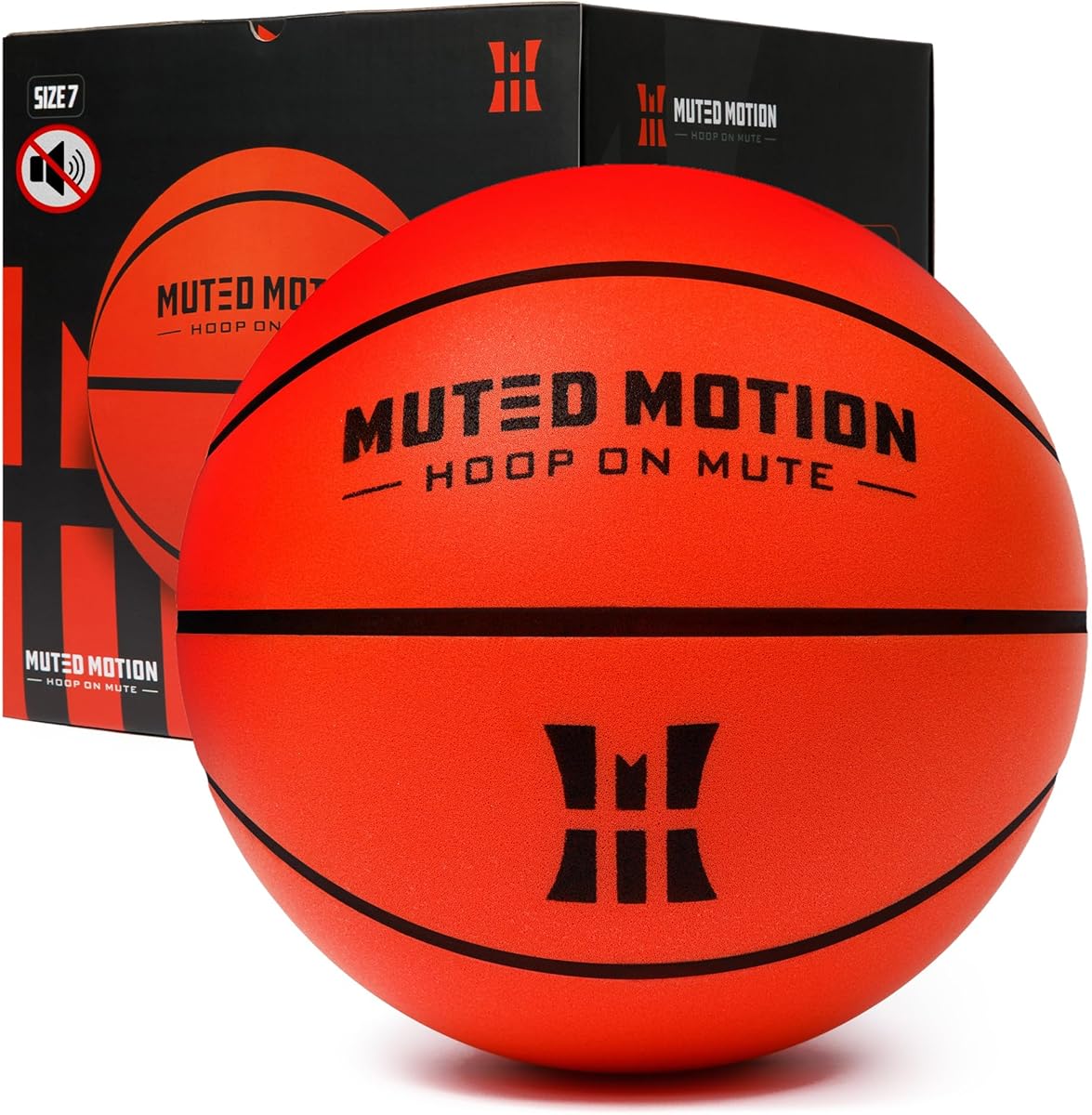
Choosing a Silent Foam Basketball: Performance vs. Noise Reduction Trade-Offs
When evaluating the Silent Basketball Size 7, understand that you're not buying a traditional basketball but a specialized training tool designed for noise-sensitive environments. This airless foam construction fundamentally changes the ball's feel, bounce, and durability compared to rubber or composite leather balls. The 'Next-Gen Foam' and 'Advanced Durability' claims should be weighed against your specific indoor surface and skill development needs.
Key Considerations Before Buying
- Foam density directly impacts bounce consistency—this ball's 'high bounce' claim requires verification on your specific indoor surface, as foam reacts differently than air-filled balls on hardwood, tile, or carpet.
- The 'deep grooves' design attempts to mimic traditional ball handling, but foam's surface friction differs significantly from pebbled rubber or leather, affecting shooting mechanics and dribble feedback.
- Consider the 'soft & quiet' promise in context: while foam reduces noise, it may also reduce the tactile feedback essential for developing proper shooting form and ball control.
What Our Analysts Recommend
Examine reviews mentioning long-term foam compression—quality foam basketballs should maintain shape and bounce after weeks of indoor use. Authentic reviews will detail specific usage scenarios like apartment dribbling, toddler play, or professional warm-ups, not just generic praise. Check for mentions of seam integrity where the foam panels meet, as this is a common failure point in airless designs.
Basketballs Market Context
Market Overview
The silent/foam basketball category has expanded significantly as urban living and indoor training spaces demand noise-reduced equipment. Unlike traditional basketballs where Wilson Evolution or Spalding NBA Official dominate, this niche prioritizes acoustic performance over competitive play authenticity. Most products in this space struggle to balance realistic playability with effective noise dampening.
Common Issues
Foam basketballs frequently suffer from inconsistent bounce patterns, especially after repeated impact on hard surfaces. Many develop permanent flat spots or lose their textured grip over time. Another recurring problem is the 'dead spot' phenomenon where certain areas of the foam ball respond differently to impact than others.
Quality Indicators
High-quality foam basketballs feature multi-density foam construction (firmer core with softer exterior) rather than uniform foam throughout. Look for reinforced seams and micro-textured surfaces that simulate leather pebbling. Superior products maintain within 15% of their original bounce height after 30 days of regular indoor use.
Review Authenticity Insights
Grade B Interpretation
The Grade B authenticity rating with 11% estimated fake reviews suggests generally reliable feedback with some promotional inflation. For this specific product, the high 4.89/5 rating dropping to 4.60/5 after adjustment indicates genuine satisfaction but with slightly exaggerated initial scores. This pattern is common in niche sports products where early adopters may be incentivized to review.
Trust Recommendation
Focus on reviews that mention specific use cases like 'apartment hardwood floors' or 'indoor gym training' rather than generic praise. The 99 reviews provide sufficient volume to identify patterns—look for recurring comments about foam durability after 2+ months of use. Be skeptical of reviews that don't mention the trade-offs between noise reduction and authentic basketball feel.
Tips for Reading Reviews
Prioritize reviews discussing the ball's performance on your specific surface type (hardwood, concrete, carpet). Look for detailed observations about how the deep grooves actually affect grip during dribbling drills. Pay special attention to reviews mentioning children's or toddlers' use, as foam safety claims should be validated through actual drop tests and impact descriptions.
Expert Perspective
The Silent Basketball's 4.60 adjusted rating from verified purchasers indicates it successfully delivers on its core promise: substantial noise reduction for indoor use. However, the 'Next-Gen Foam' and 'Advanced Durability' claims require context—this ball excels as a specialized tool for noise-sensitive environments but shouldn't be expected to replicate the precise feel of air-filled basketballs for serious skill development. The high bounce characteristic appears validated by reviews, but with the caveat that foam bounce physics differ fundamentally from traditional basketballs.
Purchase Considerations
Purchase this specifically if your primary need is noise reduction for apartment living, late-night practice, or toddler introduction to basketball. Consider alternatives if you need a ball for developing game-accurate shooting mechanics or competitive dribbling skills. Weigh the convenience of never needing inflation against the permanent performance limitations of foam construction.
Comparing Alternatives
Compare with other foam basketballs' density specifications and groove depth, as these factors significantly impact dribble control and shooting practice effectiveness.


