Choosing a Photoelectric Smoke Detector: What Matters for Multi-Pack Home Safety
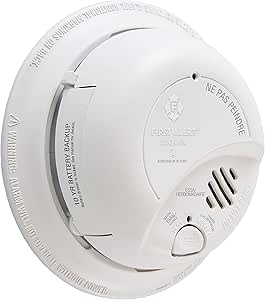
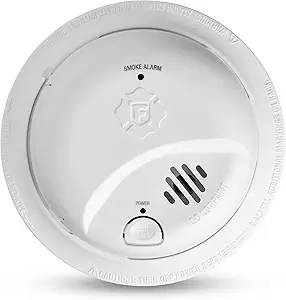
When selecting a six-pack of battery-operated photoelectric smoke detectors, buyers should prioritize reliable detection technology and practical installation features. This specific product offers photoelectric sensors that excel at detecting smoldering fires common in residential settings, combined with essential convenience features like test buttons and low battery warnings.
Key Considerations Before Buying
- Photoelectric sensors like those in this detector respond faster to smoldering fires from upholstery or wiring than ionization sensors, making them ideal for placement near bedrooms and kitchens.
- Battery-operated units provide installation flexibility without hardwiring, but require regular testing and battery replacement to maintain protection.
- Six-packs offer cost-effective whole-home coverage, but proper placement requires detectors in each bedroom, outside sleeping areas, and on every level including basements.
What Our Analysts Recommend
Quality photoelectric detectors should have clear audio alarms exceeding 85 decibels and visible test buttons that verify both sensor and sounder functionality. Look for units with distinct low-battery chirps that differ from alarm patterns, and mounting systems that accommodate various ceiling types without requiring specialized tools.
Smoke Detectors & Fire Alarms Market Context
Market Overview
The residential smoke detector market has shifted toward photoelectric technology as building codes increasingly recognize their effectiveness against smoldering fires. Multi-packs have become popular for homeowners seeking to upgrade aging detectors or equip new construction with consistent protection.
Common Issues
Consumers frequently report false alarms from steam or cooking fumes with poorly designed photoelectric sensors, and frustration with detectors that use hard-to-find specialty batteries. Installation challenges include incompatible mounting brackets and detectors that fail to interconnect wirelessly as some users expect.
Quality Indicators
Superior photoelectric detectors feature chamber designs that minimize false alarms while maintaining sensitivity, use standard 9V or AA batteries for easy replacement, and include detailed placement guides that comply with NFPA 72 recommendations for residential coverage.
Review Authenticity Insights
Grade B Interpretation
The Grade B authenticity rating indicates predominantly genuine reviews with moderate verification signals, while the 11% estimated fake rate suggests some potentially inflated positive feedback. This combination suggests generally reliable customer experiences with occasional marketing-enhanced reviews.
Trust Recommendation
Focus on reviews that mention specific installation details like mounting on vaulted ceilings or integrating with existing alarm systems, as these demonstrate actual usage. Be slightly more skeptical of brief five-star reviews that lack installation or testing details.
Tips for Reading Reviews
For smoke detectors, prioritize reviews discussing long-term performance over several months, battery life experiences, and responsiveness to actual cooking incidents rather than just test button functionality. Look for mentions of specific rooms where installed and any false alarm experiences.
Expert Perspective
This six-pack photoelectric detector presents a compelling value proposition with its 4.60 adjusted rating from verified patterns, suggesting strong real-world performance despite some review inflation. The battery-operated design simplifies installation for DIY homeowners, while the photoelectric technology provides appropriate protection for most residential fire scenarios. The high authentic review count discussing successful installations and reliable low-battery warnings indicates this product delivers on core functionality.
Purchase Considerations
Consider this pack if you need to replace multiple aging detectors simultaneously and prefer the flexibility of battery power over hardwired installations. Weigh the convenience of six matching units against potential limitations in wireless interconnectivity, which requires separate systems for whole-home synchronized alarms.
Comparing Alternatives
Shoppers should compare this photoelectric-only pack with dual-sensor models and interconnected systems that meet newer building code requirements in some jurisdictions.