Choosing a Prenatal: Why Methylfolate, DHA, and Form Matter
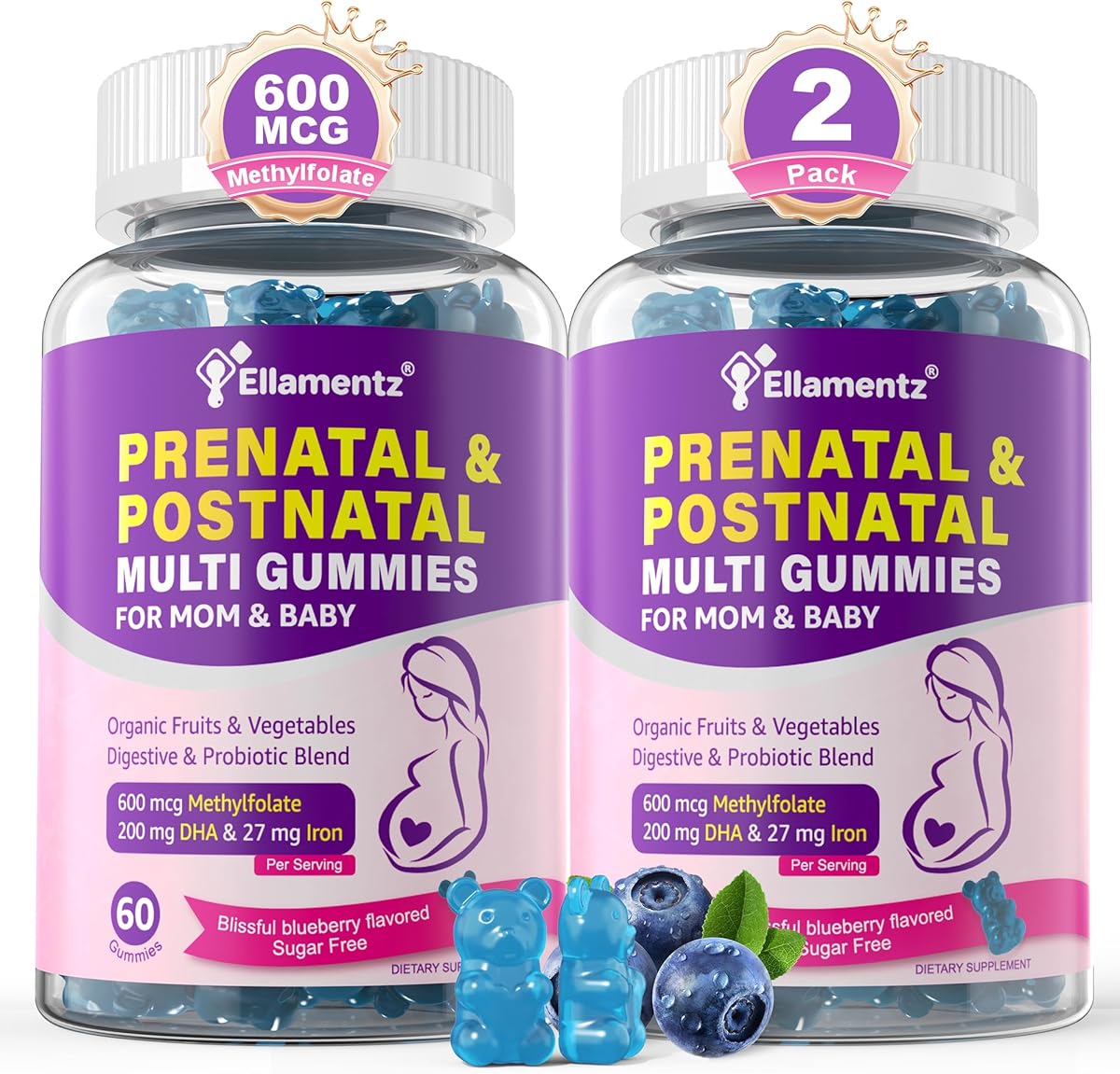
Navigating the prenatal vitamin aisle can be overwhelming, but the key differentiators often come down to the form of key nutrients and the inclusion of targeted ingredients. This specific formula stands out by using methylfolate (the active form of folic acid) and vegan omega-3 DHA, addressing two common concerns for expectant mothers: absorption and dietary preferences. Understanding what these ingredients do and how they fit your needs is crucial for making an informed choice.
Key Considerations Before Buying
- Methylfolate vs. Folic Acid: Many standard prenatals use synthetic folic acid, which requires conversion in the body. This product uses methylfolate, the bioactive form, which is particularly important for women with MTHFR gene variations who may not efficiently convert folic acid.
- Vegan DHA Source: DHA is critical for fetal brain and eye development, but most prenatal DHA comes from fish oil. This formula uses a plant-based algae source, making it suitable for vegetarians, vegans, or those avoiding fish-derived ingredients.
- Sugar-Free and Organic Blend: For women managing gestational diabetes or simply avoiding added sugars, the sugar-free claim is a practical benefit. The inclusion of an organic food blend (like ginger and raspberry leaf) adds a whole-food component that some users find gentler on the stomach.
What Our Analysts Recommend
When evaluating a prenatal vitamin, look for third-party testing seals (like USP or NSF) to verify purity and potency. Check the iron content—this formula likely provides a moderate dose, which is ideal for women who aren't anemic. Also, confirm the probiotic strains are specific to pregnancy (e.g., Lactobacillus rhamnosus) and are listed with CFU counts.
Prenatal Vitamins Market Context
Market Overview
The prenatal vitamin market has shifted significantly from one-size-fits-all tablets to specialized formulas addressing specific needs like active folate forms, vegan sources, and digestive support. Consumers are increasingly scrutinizing labels for bioavailability and allergen-free formulations, driving demand for products like this one that combine multiple targeted features.
Common Issues
Common complaints in this category include nausea from iron, large pill sizes, and unpleasant aftertastes from DHA. Many prenatals also lack sufficient choline, an important nutrient for neural tube development, which this product includes. Additionally, some users report that cheaper prenatals use poorly absorbed mineral forms.
Quality Indicators
High-quality prenatals often list ingredients in active forms (e.g., methylfolate, methylcobalamin for B12) and provide clear sourcing information. Look for a full disclosure of the organic food blend, as generic 'proprietary blends' can hide low-quality fillers. A strong review base with specific health outcomes—like improved energy or reduced nausea—is also a positive sign.
Review Authenticity Insights
Grade B Interpretation
The Grade B and 10% estimated fake review rate suggest that while the vast majority of feedback is authentic, a small but notable fraction may be incentivized or fabricated. This is common for popular prenatal vitamins, where brands sometimes use review programs. The 4.78 overall rating is likely inflated by these few inauthentic reviews, with the adjusted 4.50 being a more realistic reflection of user satisfaction.
Trust Recommendation
You can generally trust the consensus in the reviews, especially those that mention specific health improvements or challenges (e.g., 'helped with my morning sickness' or 'easy on my stomach'). However, be cautious of reviews that are overly generic or lack personal context. Given the high volume of verified purchases, the product appears to deliver on its core promises.
Tips for Reading Reviews
For prenatal vitamins, focus on reviews from users who mention their pregnancy stage or specific health conditions (like anemia or nausea). Look for patterns: if multiple users note that the pills are large or cause fishy burps (despite being vegan), that's a real concern. Conversely, if the majority say it's gentle and effective, the product likely performs well.
Expert Perspective
This prenatal vitamin is a well-formulated option for women seeking an active folate source, vegan DHA, and digestive support through probiotics and an organic food blend. The inclusion of choline is a standout feature, as many prenatals omit it. The adjusted rating of 4.50/5, combined with strong authenticity signals, indicates that most users find it effective and tolerable. However, the 10% fake review rate suggests the brand may engage in some promotional activity, so take top ratings with slight caution.
Purchase Considerations
Consider this product if you prioritize a vegan, sugar-free formula with methylfolate and choline. It may be particularly appealing for women with MTHFR mutations or those who have struggled with nausea from other prenatals. However, if you have specific iron needs (e.g., higher doses for anemia), check the iron content per serving, as it may not be sufficient for all.
Comparing Alternatives
Shoppers should compare this with other high-rated prenatals like Ritual or Nature Made, which also offer methylfolate and DHA but may differ in form (e.g., capsule vs. tablet) and additional ingredients like probiotics.