
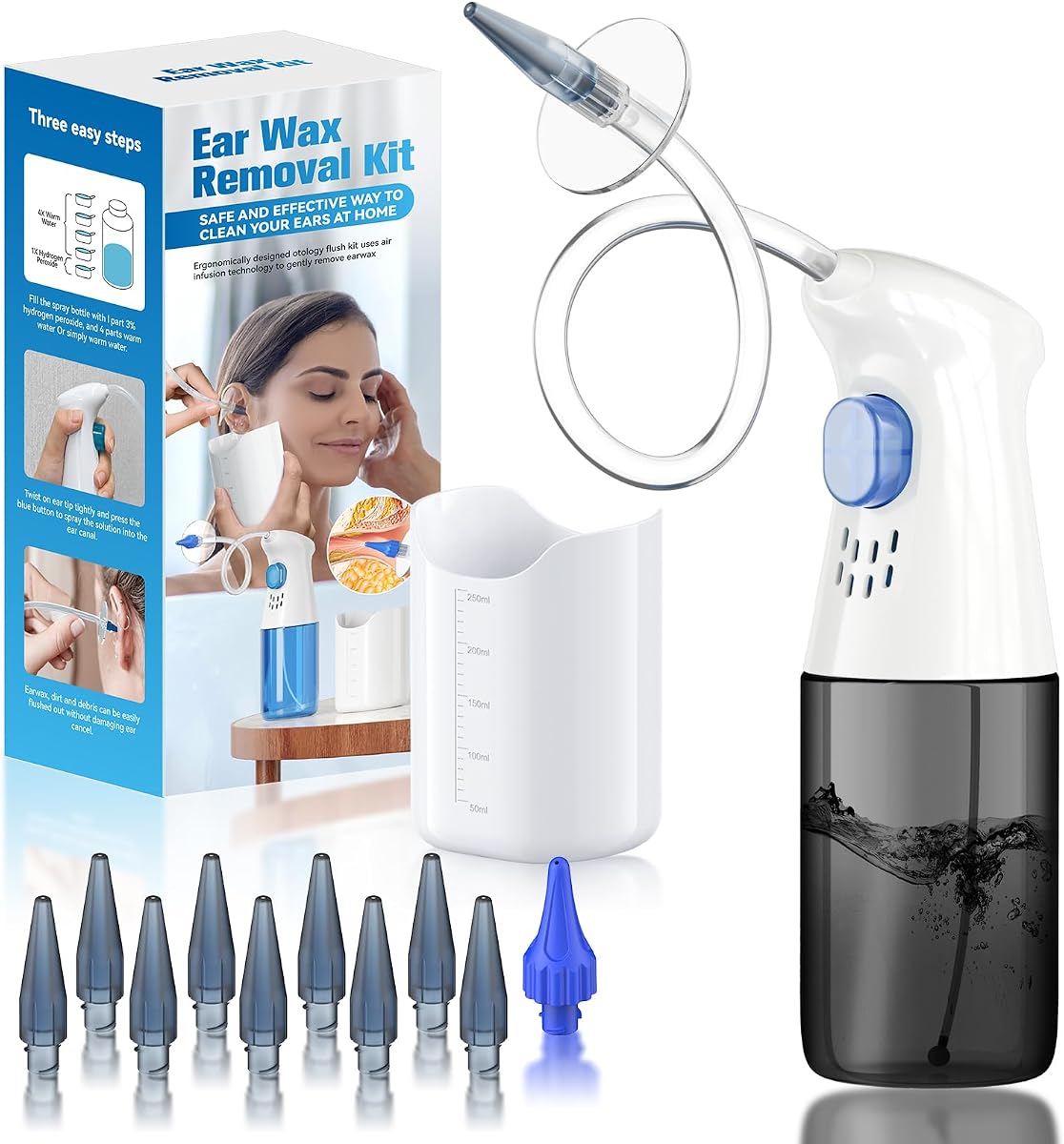
Manual Ear Irrigation: Safe, FSA-Eligible Ear Wax Removal Kit
When considering a manual ear irrigation flushing system like this FSA-eligible kit, it's crucial to understand that this is a physically operated device, not an electronic one. You'll control the water pressure by squeezing the bulb, so proper technique is essential for safe use and effective wax removal.
Key Considerations Before Buying
- Manual irrigation requires you to fill the bulb with warm water and gently squeeze to flush the ear canal; avoid high pressure to prevent eardrum injury. This kit's design should allow for controlled, gentle flow.
- Always soften ear wax with over-the-counter drops (like mineral oil or carbamide peroxide) for 15-30 minutes before irrigation, as this kit is designed for removal, not initial softening. Skipping this step can reduce effectiveness.
- If you have a history of ear infections, perforated eardrums, or ear surgery, consult a doctor before using any irrigation system. This manual kit is for routine maintenance, not treating medical conditions.
What Our Analysts Recommend
Quality indicators for manual ear irrigation kits include a soft, flexible silicone tip to avoid scratching the ear canal, a clear bulb to see water flow, and a one-way valve to prevent backflow. Look for kits that include a basin or cup for easy filling and that are clearly labeled as FSA-eligible for tax-free purchase.
Earwax Removal Market Context
Market Overview
The earwax removal market has shifted toward at-home solutions, with manual irrigation kits gaining popularity as a safer, non-invasive alternative to cotton swabs. FSA eligibility is a growing trend, allowing consumers to use pre-tax dollars for these health devices.
Common Issues
Many users report that manual irrigation kits can be messy if not used over a sink, and some find the bulb difficult to squeeze for consistent pressure. Another common complaint is that kits may not include detailed usage instructions, leading to improper technique.
Quality Indicators
Quality kits feature medical-grade silicone tips, a durable bulb that doesn't crack, and a design that prevents water from dripping back into the bulb. Look for kits with positive reviews specifically mentioning ease of use and effective wax removal without discomfort.
Review Authenticity Insights
Grade B Interpretation
The 'B' grade and 10% estimated fake review rate mean the vast majority of the 805 reviews are authentic, but you should be cautious of a small cluster of potentially incentivized or overly positive reviews. The 4.78/5 star rating is likely inflated by these few fakes, with the adjusted 4.50/5 being more realistic.
Trust Recommendation
Given the high authenticity of most reviews, you can generally trust the positive feedback about this kit's effectiveness and ease of use. However, focus on verified purchase reviews that describe specific usage scenarios, such as 'used after swimming' or 'helped with clogged ear feeling.'
Tips for Reading Reviews
For ear care products, prioritize reviews that mention the reviewer's ear health history (e.g., 'I have narrow ear canals') and any discomfort or difficulty during use. Be skeptical of reviews that only say 'works great' without details on technique or results.
Expert Perspective
This manual ear irrigation kit appears to be a reliable, FSA-eligible option for at-home ear wax removal, supported by a strong base of genuine positive reviews. With a 4.50/5 adjusted rating, it's a solid performer in the category, but its manual nature means success depends on user technique. The 10% fake review rate is a minor red flag, but not enough to dismiss the product entirely.
Purchase Considerations
Weigh the cost against your willingness to learn manual irrigation—if you prefer a set-it-and-forget-it approach, an electronic ear washer might be better. This kit is ideal for those comfortable with a hands-on method and who want a tax-advantaged purchase through FSA funds.
Comparing Alternatives
Shoppers should compare this manual system with electronic irrigation kits or simple bulb syringes from other brands, especially if they prioritize ease of use or have specific ear anatomy concerns. Reading reviews across multiple products can help identify the best fit.


