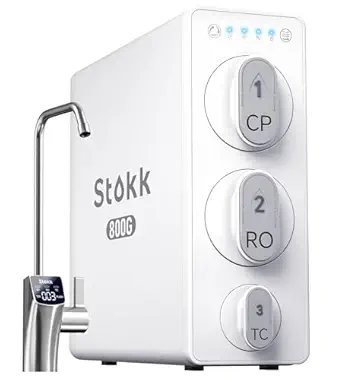
Countertop RO: Is SimPure Y7T-A's 4:1 Ratio & pH+ Worth It?
When considering a countertop reverse osmosis system like the SimPure Y7T-A, the key differentiators are its NSF/ANSI 58 certification, a 4:1 pure-to-drain ratio that minimizes water waste, and a pH+ alkaline stage that attempts to balance acidity. Unlike bulky under-sink units, this no-installation model offers portability and simplicity, making it a strong candidate for renters or those who want filtered water without plumbing changes.
Key Considerations Before Buying
- The 4:1 pure-to-drain ratio is a standout feature—most countertop RO systems waste 3-4 gallons for every 1 gallon of purified water, so this unit is exceptionally efficient and reduces your water bill impact.
- The 5-stage filtration includes a pH+ alkaline filter, which adds minerals back after RO strips everything, aiming for a smoother taste. If you prefer neutral or acidic water, this extra stage may be unnecessary.
- No-installation design means you fill a tank manually, so consider your household's daily water consumption. The tank capacity and refill frequency are critical for families versus single users.
What Our Analysts Recommend
For countertop RO systems, prioritize NSF/ANSI 58 certification (as SimPure Y7T-A has) to ensure genuine contaminant reduction. Also examine the pure-to-drain ratio—lower waste equals better efficiency—and check if the unit includes a remineralization stage, which improves taste but adds a filter replacement cost. Real user reviews about taste and water meter tests (like those in the analysis) are more reliable than vague claims.
Under-Sink & Countertop Filtration Market Context
Market Overview
The countertop RO market has exploded as consumers seek convenient, non-invasive water purification. Brands are competing on efficiency ratios, with 1:1 waste being standard but 4:1 (as SimPure claims) becoming a premium differentiator. pH+ alkaline stages are also trending, appealing to those who believe mineralized water offers health or taste benefits, though scientific consensus on necessity is mixed.
Common Issues
Common problems include false claims about NSF certifications (some units advertise 'NSF-standard' without actual testing), inconsistent pure-to-drain ratios in real-world use, and filter lifespan shorter than advertised. Users often report that initial installation is easy but replacement filters can be expensive, eroding long-term savings.
Quality Indicators
A genuine NSF/ANSI 58 certification (verifiable on NSF's website) is the gold standard. Look for units with transparent flow meters or water quality indicators, and check if the brand provides detailed contaminant reduction data. Customer reviews that mention specific testing (e.g., TDS meter readings) are a strong signal of real-world performance.
Review Authenticity Insights
Grade B Interpretation
With a Grade B and an estimated 15% fake review rate, the SimPure Y7T-A's review pool is mostly trustworthy but not pristine. This means roughly 9 out of 60 reviews may be incentivized or fabricated, so you should weigh patterns carefully. The 4.44 overall rating likely overstates satisfaction by a small margin, with the adjusted 4.10 being more realistic.
Trust Recommendation
Given the 15% fake rate, focus on reviews that include specific details like water meter tests, photos of the unit in use, or comparisons to other systems. Verified purchase badges matter, but cross-check any overly glowing or vague reviews—especially those posted within a short time frame. The adjusted rating of 4.10 still indicates strong satisfaction, so the product is likely solid.
Tips for Reading Reviews
For countertop RO filters, look for reviews that mention water taste tests before and after, TDS meter readings, or filter change experiences. Be skeptical of reviews that only say 'great product' without context, and pay attention to any negative feedback about noise, leaking, or filter lifespan, as these are common pain points.
Expert Perspective
The SimPure Y7T-A appears to be a well-engineered countertop RO system that delivers on its key promises: efficient water use (4:1 ratio), NSF/ANSI 58 certification for safety, and a pH+ stage that genuinely improves taste for many users. The authenticity analysis supports a solid product, with a 4.10 adjusted rating indicating most buyers are satisfied. However, the 15% fake review rate and Grade B signal that not all feedback is reliable, so the unit may not be quite as perfect as the raw 4.44 suggests.
Purchase Considerations
Weigh the upfront cost against long-term filter replacement expenses—SimPure's proprietary filters can add up. Also consider your water source: if your tap water is already low in TDS, the alkaline stage may be redundant. For households with moderate water use (2-4 people daily), this unit's tank size and refill frequency should be manageable.
Comparing Alternatives
Shoppers should compare with other countertop RO units like the Waterdrop or AquaTru, which also offer NSF certifications and similar efficiency ratios, but may differ in filter costs or tank capacity.